Fence Footing Solutions Using Concrete Sleepers
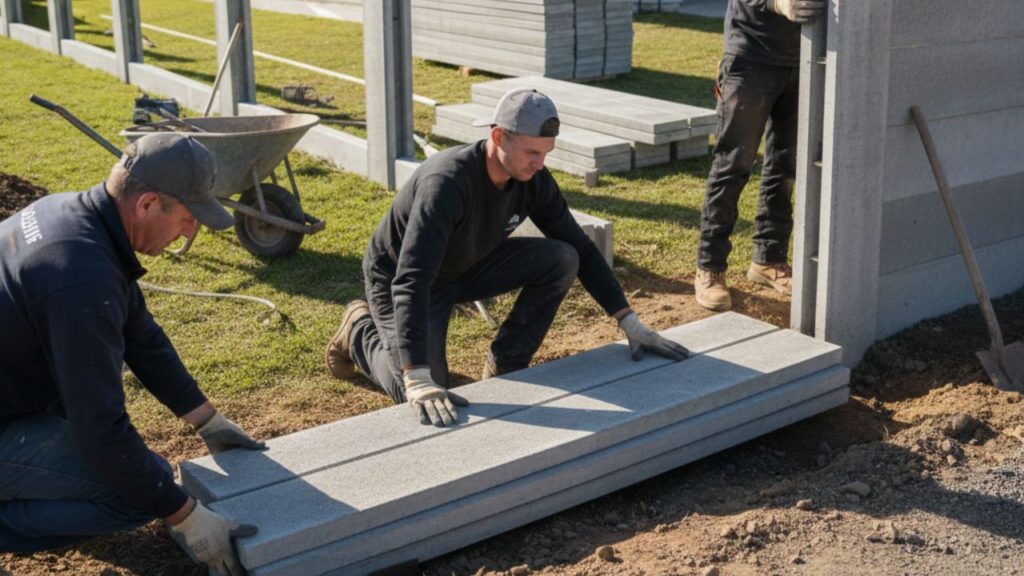
We have all seen it happen. You spend a weekend painting your timber fence, only to realize the bottom plinth is rotting away from contact with the damp ground. It is a frustrating cycle for homeowners, but there is a solution that stops the rot for good. Using Concrete Sleepers in Adelaide has become the go-to method for creating durable, long-lasting fence footings that stand up to the harsh Australian climate without flinching.
Whether you are building a new boundary fence or replacing an old, tired one, swapping out timber for concrete at the base is a smart move. It adds structural integrity and gives your yard a clean, modern look that requires almost zero effort to maintain.
Why Choose Concrete Sleepers?
Tradition often dictates using wood for fencing, but wood has natural enemies. Termites, moisture, and warping are constant threats, especially at ground level where the fence meets the soil. This is where concrete shines.
Unlike timber, concrete is impervious to termites and won’t absorb water from the ground, meaning it won’t rot or decay over time. When you choose Concrete Sleepers in Adelaide, you are investing in longevity. These sleepers provide a solid barrier that keeps your fence panels off the ground, preventing rust in steel sheets and rot in timber palings. They also act as a mini retaining wall, which is perfect if your block is slightly uneven or if you need to keep garden beds contained.
Preparing for Installation
A great fence starts with great preparation. Before you mix any concrete or dig any holes, you need to mark out your fence line accurately. Use a string line to ensure your boundary is straight and level.
Once your line is set, you need to dig holes for your fence posts. The depth and width will depend on the height of your fence and the type of soil you have, but generally, deeper is better for stability. This is also the time to ensure you have the right steel posts (often H-beams or C-channels) that allow the sleepers to slide in perfectly.
Sourcing the right materials is half the battle. For a project like this, quality matters. Retaining Wall Industries is known for supplying robust materials that make installation smoother. Having reliable steel posts and accurately cast sleepers ensures that everything fits together without a struggle during the build.
Installing Concrete Sleepers
With your holes dug and posts ready, the installation process begins. This is where accuracy pays off.
- Set the Posts: Place your steel posts into the holes. Use a spirit level to ensure they are perfectly vertical.
- Concrete the Posts: Pour concrete into the holes to secure the posts. You need to wait for this to set before adding the heavy sleepers, or you risk knocking the posts out of alignment.
- Slide in the Sleepers: Once the concrete is cured, it is time for the heavy lifting. Slide your concrete sleepers down into the channels of the steel posts. They should slot in snugly.
If you are sourcing your materials from Retaining Wall Industries, you will find that their products are designed for ease of use, fitting together seamlessly to create a solid base. Be careful during this step—concrete sleepers are heavy, so it is often a two-person job to lower them safely into place without chipping the edges.
Conclusion
upgrading your fence footing to concrete is one of those home improvements that pays dividends for years. You stop worrying about pests, you stop worrying about rot, and you get a boundary line that looks sharp and stays straight. For homeowners looking for the best Concrete Sleepers in Adelaide, the benefits are clear. You get a solution that is tough enough to handle local conditions and stylish enough to boost curb appeal.