Fire Watch Guards Ensuring Protection During Alarm System Outages
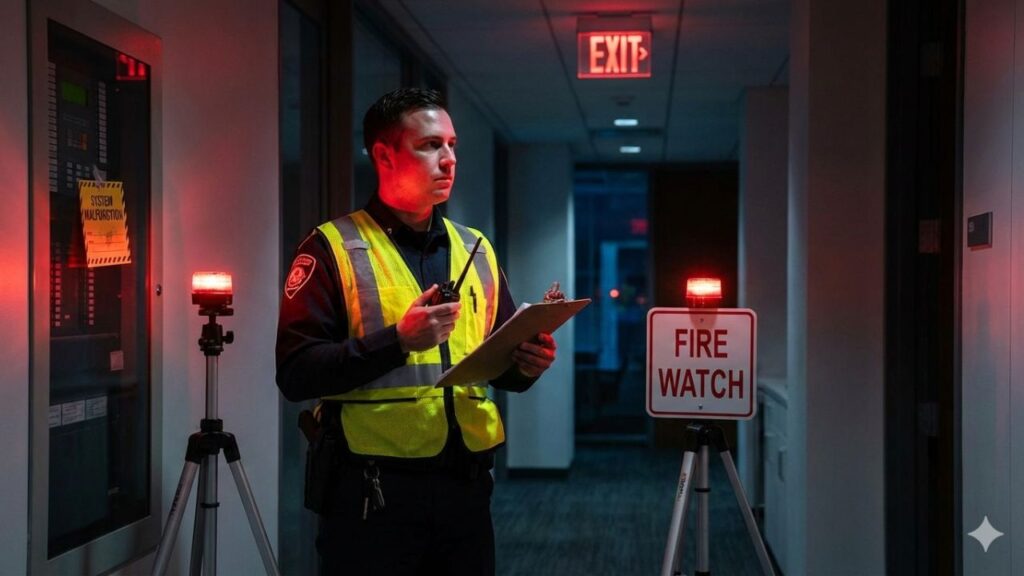
Fire alarm systems are a critical component of modern safety infrastructure, providing early detection and rapid alerts that can save lives and protect property. However, even the most advanced systems can experience outages due to maintenance, system faults, or construction activities. During these vulnerable periods, Fire Watch Guards play an essential role in ensuring continuous protection. Statistical data from workplace safety audits consistently shows that human oversight during alarm system outages significantly reduces fire risks, minimizes property damage, and enhances compliance outcomes. This article explores the critical role of fire watch guards during alarm system downtime, highlighting measurable benefits and best practices for organizations.
Why Are Alarm System Outages a High-Risk Period?
Alarm system outages represent a period of heightened vulnerability. According to fire safety studies, the majority of property damage and fire-related incidents occur when detection systems are impaired or offline. Electrical faults, construction activities, and scheduled maintenance often create temporary lapses in fire detection capabilities.
During these times, any lapse in monitoring can have severe consequences. Facilities without active human oversight are statistically more likely to experience delayed fire detection, leading to greater property damage, operational downtime, and increased risk to occupants. Fire watch guards bridge this critical gap by providing vigilant, real-time monitoring when alarm systems are unavailable.
How Do Fire Watch Guards Deliver Continuous Risk Monitoring?
Continuous monitoring is a cornerstone of effective fire watch coverage. Fire watch guards conduct scheduled patrols, inspect high-risk areas, and maintain situational awareness to identify potential hazards. Data from safety audits indicate that early hazard detection significantly reduces fire severity and frequency.
Guards are trained to recognize subtle warning signs such as unusual odors, sparks, smoke, or heat buildup that may not trigger alarms. By documenting and reporting these observations promptly, they provide actionable insights that allow facility managers to address risks before escalation. Statistics suggest that facilities employing professional fire watch services during system outages experience 30–50% fewer incidents than unmonitored sites.
What Preventive Measures Are Implemented During Outages?
Prevention remains a primary objective for fire watch guards. During alarm system outages, guards increase patrol frequency, ensure fire suppression equipment is accessible, and verify that emergency exits remain unobstructed. They also monitor hot work activities, such as welding or cutting, which are common causes of fires in operational and construction environments.
Statistical reviews of fire incidents reveal that human intervention during vulnerable periods prevents many minor hazards from escalating into major emergencies. Guards also reinforce compliance by ensuring that personnel adhere to temporary safety protocols, further reducing the likelihood of fire events.
How Do Fire Watch Guards Support Rapid Response?
Response time is a critical determinant of fire outcomes. Industry data indicates that fires addressed within the first few minutes are significantly less likely to result in severe damage or injury. Fire watch guards are strategically positioned to respond immediately in the event of a detected hazard.
Their responsibilities include activating manual alarms, contacting emergency services, deploying portable fire extinguishers, and guiding occupants to safety. Guards’ familiarity with building layouts and high-risk zones enables efficient evacuation and containment, which directly correlates with reduced property damage and improved safety outcomes.
Why Is Documentation Essential During Alarm System Outages?
Comprehensive documentation is a vital aspect of fire watch coverage. Licensed and trained guards maintain detailed logs of patrols, observed hazards, and interventions. These records are crucial for regulatory compliance, audits, and post-incident analysis.
Data from compliance evaluations shows that facilities with thorough documentation during alarm outages are less likely to face fines or operational penalties. Documentation also provides insights for improving safety strategies, enabling organizations to proactively address recurring risks and strengthen fire prevention measures over time.
How Do Fire Watch Guards Enhance Compliance During System Downtime?
Regulatory standards often mandate fire watch coverage during periods when detection systems are impaired. Non-compliance can result in legal repercussions, operational delays, and increased liability. Fire watch guards ensure that facilities meet these requirements, providing evidence of continuous monitoring and proactive risk management.
Statistics reveal that organizations employing licensed fire watch personnel during alarm outages achieve higher compliance scores, fewer violations, and smoother inspections. Guards act as both a preventive and regulatory safeguard, bridging the gap between technology and legal obligations.
What Skills Make Fire Watch Guards Effective During Outages?
The effectiveness of fire watch guards depends on a combination of training, experience, and situational awareness. Professional guards are trained in fire behavior, hazard recognition, emergency communication, and evacuation procedures. Comparative data shows that trained personnel respond more effectively than untrained observers, reducing the severity of fire incidents.
During system outages, guards must assess risks in real time, prioritize areas of vulnerability, and take immediate corrective action. Their ability to make informed decisions under pressure is essential for maintaining safety and minimizing disruption. Facilities with experienced guards demonstrate measurable improvements in incident management and response efficiency.
How Do Fire Watch Guards Protect High-Risk Environments?
High-risk environments, such as construction sites, industrial plants, and commercial buildings, are particularly vulnerable during alarm system outages. Fire watch guards provide targeted monitoring in areas with combustible materials, electrical equipment, and ongoing operational hazards.
Statistical analyses indicate that human oversight in these zones reduces the likelihood of fire incidents by up to 40%. Guards monitor hot work, electrical installations, and machinery, ensuring compliance with temporary safety protocols. Their presence complements existing safety infrastructure, providing a layer of protection that remains effective even when automated systems are offline.
Why Is Human Oversight Still Critical in Modern Fire Safety?
While fire detection technology has advanced significantly, human oversight remains indispensable. Automated systems can fail, produce false alarms, or overlook context-specific risks. Fire watch guards provide the judgment, adaptability, and rapid intervention capabilities that technology cannot replicate.
Case studies demonstrate that human-monitored facilities experience faster detection, quicker intervention, and fewer property losses compared to fully automated sites. Guards interpret environmental cues, assess evolving threats, and act proactively to prevent fires, ensuring continuous protection even during system downtime.
What Measurable Benefits Do Fire Watch Guards Provide?
Organizations employing fire watch guards during alarm outages report measurable improvements across multiple metrics:
- Reduced fire incident frequency, particularly during vulnerable periods.
- Faster response times, minimizing property damage and potential injuries.
- Improved compliance with fire safety regulations and reduced legal risk.
- Comprehensive documentation to support audits, insurance claims, and safety evaluations.
- Enhanced protection of personnel, visitors, and assets, fostering confidence in workplace safety.
These outcomes demonstrate that fire watch guards are not only a regulatory requirement but a strategic investment in safety, continuity, and risk mitigation.
How Do Fire Watch Guards Support Operational Continuity?
Fire incidents during alarm outages can lead to significant operational disruption. Business continuity research shows that proactive fire monitoring reduces downtime and financial losses. By detecting and addressing hazards immediately, fire watch guards help maintain operations even during periods of increased vulnerability.
Statistical evidence suggests that facilities with active fire watch programs experience fewer operational interruptions, lower insurance claims, and faster recovery from incidents. Their role ensures that organizations can continue functioning safely while maintaining compliance and minimizing risk exposure.
Why Are Fire Watch Guards a Strategic Asset for Organizations?
Fire watch guards deliver more than temporary oversight—they are a critical component of comprehensive fire risk management. By focusing on continuous monitoring, rapid response, and regulatory compliance, they provide organizations with measurable improvements in safety and operational resilience.
Facilities employing trained guards benefit from lower incident rates, faster response times, and enhanced compliance scores. Guards act as both preventive and reactive agents, bridging gaps in fire detection technology and ensuring continuous protection. Their strategic deployment during alarm system outages is a data-supported best practice for reducing fire risk and protecting people, property, and business operations.
In conclusion, fire watch guards ensuring protection during alarm system outages are an essential layer of fire safety strategy. Their vigilance, expertise, and rapid response capabilities provide measurable improvements in prevention, compliance, and operational continuity. For organizations navigating temporary system impairments or high-risk activities, licensed and trained fire watch guards are a proven solution that safeguards lives, protects assets, and supports long-term organizational resilience.