Your First Week With Solar: What to Expect After Installation
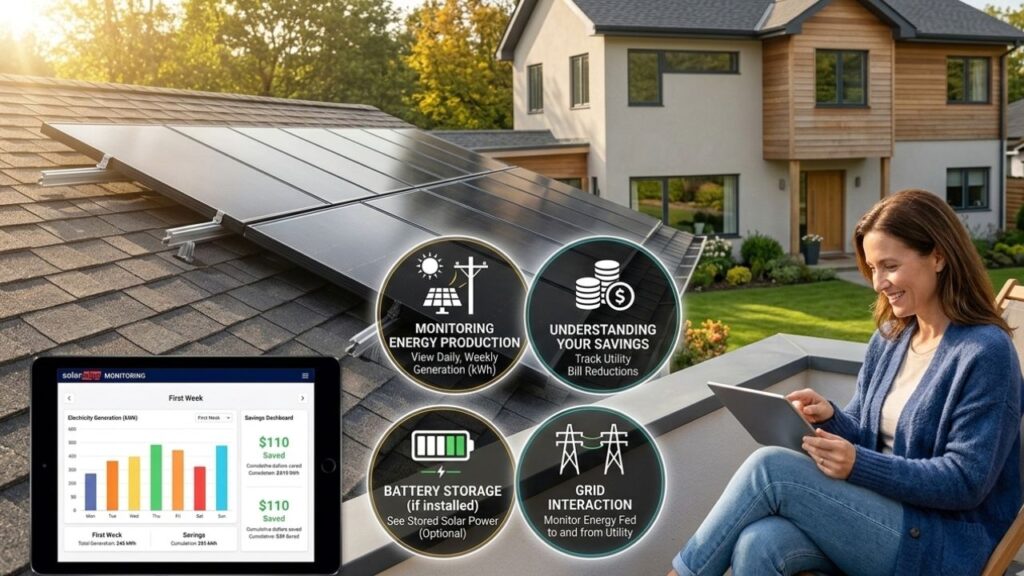
The panels are up. The inverter is humming. You’ve just taken one of the most meaningful steps toward energy independence—and now you’re wondering, “What happens next?” For homeowners with newly installed Solar Panels on the Sunshine Coast, the first week can feel equal parts exciting and unfamiliar. This guide walks you through exactly what to expect, day by day.
Day 1: Your System Goes Live
The moment your system is switched on, it starts working. Your installer from All Energy HQ will walk you through the installation checklist before they leave—covering everything from inverter status lights to emergency shutdown procedures.
Take note of the following on day one:
- Inverter display: A steady green light typically means your system is producing power. Refer to your manual if you see flashing or error codes.
- Monitoring app: Most modern systems come with a companion app. Download it and connect it to your inverter so you can track real-time production.
- Grid connection: Confirm with your installer that your system is properly connected and that your energy retailer has been notified.
Don’t be surprised if day-one output feels modest—panels need direct sunlight to perform at their peak, and your first day might not be perfectly sunny.
Mid-Week: Watching the Numbers
By day three or four, you’ll start to get a feel for your system’s rhythm. This is when your smart meter becomes your best friend.
Your smart meter tracks two key figures:
- Energy exported: Power your panels produce that you don’t use, sent back to the grid
- Energy imported: Power you draw from the grid when your panels aren’t producing enough
The goal is to shift as much of your daytime energy use—dishwashers, washing machines, EV charging—to when the sun is shining. The more you self-consume, the less you import. All Energy HQ recommends reviewing your monitoring app each morning to spot patterns and adjust your habits accordingly.
Production will vary day to day. A partly cloudy Wednesday doesn’t mean something is wrong—it’s just solar being solar.
Common First-Week Questions
Will my panels work on cloudy days?
Yes, but at reduced capacity. Panels generate electricity from daylight, not just direct sunlight. On overcast days, expect output to drop by roughly 10–25%, depending on cloud density.
What if my app shows zero production?
Check that your inverter is powered on and that no circuit breakers have tripped. If everything looks normal and the output is still zero, contact your installer promptly.
Is it normal for my inverter to make noise?
A gentle hum is normal. Loud buzzing or clicking sounds are worth flagging with your installer.
For homeowners with Solar Panels on the Sunshine Coast, the region’s high solar irradiance means your system will generally outperform national averages—even on quieter days.
Reading Your First Energy Bill
Your first bill after going solar can look confusing. Here’s how to decode it:
- Feed-in tariff credits: If your system exports power to the grid, your retailer pays you a feed-in tariff. This appears as a credit on your bill.
- Net usage: The difference between what you imported and what you exported.
- Daily supply charge: A fixed cost you’ll still pay regardless of solar output.
Many new solar owners are surprised that their bill isn’t zero straight away. That’s normal. Full financial benefits build over time, especially as you optimize your usage patterns. All Energy HQ can help you model your projected savings over a 5–10 year period so you know what to realistically expect.
Conclusion: The Longer View
One week in, you’re just getting started. The real rewards of solar—lower bills, reduced carbon footprint, and greater energy independence—compound over months and years. Solar Panels on the Sunshine Coast are particularly well-positioned to deliver strong returns given the region’s abundant sunshine.
Stay curious, keep monitoring your system, and don’t hesitate to reach out to All Energy HQ if anything feels off. The transition to solar isn’t just a home upgrade—it’s a long-term commitment to smarter, cleaner living.