The Rise of Furniture Visualization: How AR and 3D Tech Are Changing the Industry
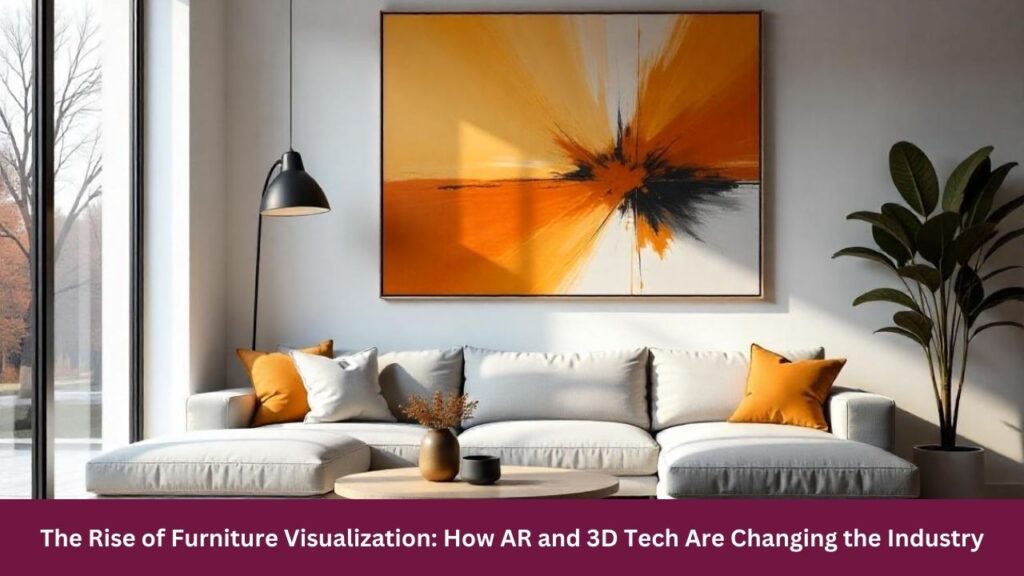

Gone are the days when customers had to rely on physical samples or static images in catalogs to envision how a piece of furniture would look in their space. In the rapidly evolving world of interior design and retail, furniture visualization has become an essential tool that bridges the gap between imagination and reality by allowing customers to see and interact with furniture in their own spaces before making a purchase. This shift is not only enhancing customer satisfaction but also revolutionizing the way people approach buying furniture.
The Role of Technology in Furniture Visualization
Furniture visualization primarily focuses on giving customers a realistic and accurate representation of how a product will appear in their home environment. Historically, this was done through photos and illustrations, but these methods often failed to convey the true scale, texture, and fit of furniture in a given space. Today, thanks to innovations in 3D modeling and rendering, customers can view interactive visualizations that bring products to life with striking accuracy. From the way the light interacts with the fabric to how the piece complements the surrounding decor, every detail can be examined with precision.
However, it’s not just about creating beautiful images. Furniture visualization aims to provide an interactive and engaging experience. Through virtual simulations, customers can move pieces around a room, adjust the colors or materials, and even see how different pieces work together in a room layout. This customization and flexibility allow customers to experiment with different options and make more informed decisions about what will work best in their home.
Augmented Reality in Retail: A Game Changer
While traditional visualization methods were limited to static images or simple 3D models, augmented reality in retail enables customers to place virtual furniture in their real-world environment using their smartphones or tablets. By simply pointing their device at a space in their home, users can see how a couch, dining table, or bookshelf would look as if it were physically there, providing a sense of scale and proportion that was never possible with static visuals alone.
For furniture retailers, this innovation brings tremendous benefits. AR in retail offers a powerful tool for increasing customer engagement, reducing uncertainty, and ultimately driving sales. It eliminates one of the biggest challenges in furniture buying: the difficulty of imagining how a product will fit into a specific space. With the help of AR, customers can make confident choices without needing to see the product in person or rely on traditional showroom visits. They can interact with various pieces in their home environments, experimenting with layouts and combinations to find the perfect fit.
Moreover, AR-driven experiences are highly shareable. Customers can easily take screenshots or videos of how a piece of furniture looks in their space and share it with family members or friends for feedback. This collaborative aspect fosters a sense of excitement and decision-making confidence, which ultimately enhances the overall shopping experience.
The Impact on Furniture Marketing
As augmented reality and other visualization tools reshape the customer experience, they are also transforming the way furniture companies approach marketing. Traditional advertising, with its reliance on print catalogs and television commercials, is being replaced by more dynamic, interactive methods that allow consumers to engage with brands in new and exciting ways. Furniture marketing now focuses on creating experiences that make customers feel personally connected to the products, rather than just showcasing products in a generic, one-size-fits-all approach.
For instance, many furniture brands now offer online platforms where customers can upload photos of their homes and see how different pieces would look in their living spaces. This personalized experience goes beyond what traditional advertising could offer and speaks directly to a consumer’s needs, helping them visualize their ideal home setup. In turn, this helps brands build a deeper emotional connection with their customers, which can lead to higher conversion rates and stronger brand loyalty.
A New Era of Furniture Shopping
The advent of furniture visualization, particularly through augmented reality and 3D modeling, has completely changed the way we approach furniture shopping. Customers now have the ability to interact with products in ways that were once unimaginable. By integrating these tools into their marketing strategies, furniture companies can foster deeper connections with consumers, offering them more tailored and customized shopping experiences. As technology continues to advance, we can expect the future of furniture shopping to become even more immersive and intuitive.
For retailers, embracing these new technologies isn’t just about staying ahead of the competition—it’s about meeting the evolving expectations of consumers who increasingly demand personalized, interactive, and seamless shopping experiences. Augmented reality in retail is no longer just a trend; it has become a necessity in a world where consumer behavior is increasingly shaped by the demand for interactive and immersive digital experiences, allowing brands to meet evolving customer expectations and stay competitive. The future of furniture visualization is bright, and those who innovate and adapt will be best positioned to lead the market.