Garden Rooms: Redefining Space, Comfort, and Modern Living
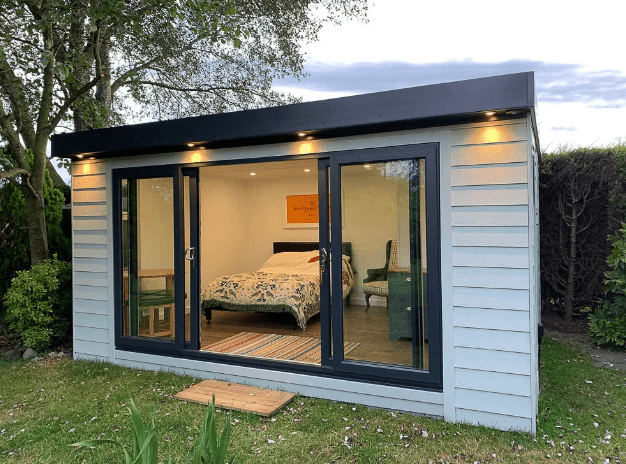
Garden rooms have quietly shifted from a niche luxury to a mainstream way of rethinking how we use our homes. Once seen as little more than glorified sheds, they are now carefully designed spaces that blur the line between indoors and outdoors. Whether used as a workspace, a retreat, or a social hub, garden rooms offer flexibility that modern living increasingly demands.
At their core, garden rooms are standalone structures built within a garden, separate from the main house. What makes them different from traditional outbuildings is their level of comfort and finish. Insulation, electricity, heating, and high-quality glazing are now standard features rather than optional extras. Step inside a well-designed garden room and it feels less like an external structure and more like an extension of the home.
One of the biggest reasons for their rise in popularity is the way we work. Remote and hybrid working have become normal for many people, and carving out a quiet space inside the house is not always easy. A garden room office solves this problem elegantly. It creates physical separation between work and home life while still keeping the commute to a few steps across the lawn. Many people report that this separation improves focus during the day and makes it easier to “switch off” in the evening.
However, reducing garden rooms to home offices alone would be missing their wider appeal. They are just as often used as creative studios, home gyms, or music rooms. Artists value the natural light and sense of calm, while fitness enthusiasts enjoy having a dedicated workout space without sacrificing a spare bedroom. For families, garden rooms can become teenage dens or playrooms that help reduce clutter and noise in the main house.
Design plays a huge role in how successful a garden room feels. Contemporary styles tend to favor clean lines, timber cladding, and large glass doors that open directly onto the garden. This creates a strong visual connection with nature, which is one of the main psychological benefits of these spaces. Traditional designs, on the other hand, can echo the look of a summerhouse or chalet, blending seamlessly into more classic gardens. The beauty of garden rooms lies in this adaptability; they can be bold architectural statements or quiet, unobtrusive additions.
Practical considerations are just as important as aesthetics. Orientation matters more than many people realize. A garden room that faces south will be flooded with light but may need shading or ventilation to prevent overheating in summer. North-facing rooms provide softer, more consistent light, which can be ideal for studios or offices. Insulation quality determines whether the room is usable year-round, and investing here usually pays off in comfort and energy efficiency.
Planning permission is another factor that often worries homeowners. In many cases, garden rooms fall under permitted development rights, meaning formal planning consent is not required. That said, size limits, height restrictions, and boundary rules can vary, so it is always wise to check local regulations before building. A reputable supplier or builder will usually guide clients through this process.
From a financial perspective, garden rooms can be surprisingly sensible. Compared to a full home extension, they are often faster and less disruptive to install. They can also add value to a property, particularly when designed as versatile spaces that future buyers can easily repurpose. While they do require an upfront investment, many homeowners see them as long-term assets rather than short-term indulgences.
Perhaps the most compelling aspect of garden rooms is the lifestyle change they encourage. Spending time in a space that sits within the garden naturally draws people outside more often. Even on busy days, simply looking out onto greenery can reduce stress and improve wellbeing. In a world where screens dominate much of our time, having a calm, purpose-built space surrounded by nature feels increasingly valuable.
In essence, garden rooms represent more than an architectural trend. They reflect a shift in how we think about space, work, and balance. By offering comfort, flexibility, and a closer connection to the outdoors, they have earned their place as one of the most appealing home improvements of recent years.