Why “More Power” Isn’t Always Better When Choosing an Electric Dirt Bike
When people start comparing electric dirt bikes, power is usually the first thing that grabs attention. Motor output, peak torque, and top speed are easy to compare and easy to get excited about. On paper, higher numbers seem to promise more capability and more fun.
But for many riders, that excitement fades once the bike is actually ridden. What looks impressive in specs doesn’t always translate into a better experience on dirt—and in some cases, it can make riding feel more demanding than expected.
Why Power Looks So Important at First
Power is one of the simplest ways to compare bikes quickly. It gives the impression of clarity: more power equals more potential.
Electric motors also amplify this perception. Instant torque makes acceleration feel dramatic, especially to riders coming from gas bikes or pedal-assist electric bikes. That first throttle twist can feel thrilling.
The problem is that those first impressions don’t reflect how most riding actually happens.
What Actually Happens When a Bike Has Too Much Power
In real riding, excessive power often shows up at low speeds.
Instead of confidently rolling through uneven ground, riders find themselves easing onto the throttle, backing off, then easing on again. On loose or technical sections, the bike can feel jumpy rather than composed. Nothing goes “wrong,” but the rider is constantly managing potential instead of simply riding.
This creates a subtle but persistent tension. You’re not enjoying the power—you’re keeping it in check.
Most Riders Spend More Time Managing Power Than Using It
One realization many riders come to over time is that they rarely use full power.
Most rides happen well below maximum output. Trails are tight, terrain changes quickly, and riding sessions often involve frequent starts and stops. In these conditions, high peak power exists more as a possibility than a practical tool.
The bike may be capable of much more, but that capability doesn’t get accessed very often. Instead, the experience becomes about restraint—always riding with a margin, always being cautious with the throttle.
Why Control and Predictability Matter More Than Peak Output
Off-road riding rewards consistency more than extremes.
A bike with smooth, predictable power delivery allows riders to focus on balance, line choice, and terrain rather than throttle management. Confidence builds when the bike responds the way you expect it to, especially at low speeds.
This matters for a wide range of riders—not just beginners. Smaller riders, younger riders, and those riding casually all tend to benefit from power that feels usable rather than intimidating. Even experienced riders often prefer a bike that feels calm and cooperative across mixed conditions.
How Terrain and Riding Style Change the Power Equation
Terrain plays a major role in how power feels.
On open ground, extra power can feel entertaining. On loose dirt, gravel, roots, or uneven trails, that same power can feel unnecessary or even counterproductive. Traction becomes the limiting factor, not motor output.
Since most riders aren’t riding perfect terrain all the time, a bike that performs well across varied conditions usually delivers a better overall experience than one optimized for peak output alone.
Fatigue, Confidence, and Why Some Bikes Get Parked
Power also affects how tiring a bike is to ride—mentally as much as physically.
Constantly managing strong acceleration requires focus. Over time, that effort adds up. Riders may cut sessions short, not because the bike lacks capability, but because the ride feels more stressful than expected.
This is one reason some bikes, despite impressive specs, end up being ridden less often. A bike that feels easier to live with tends to get used more frequently.
Why “Enough Power” Often Leads to More Riding
Many riders who choose a bike with “enough” power—not the maximum available—end up using more of the bike more consistently.
The riding experience feels relaxed rather than guarded. Riders are more willing to explore terrain, ride longer sessions, and let others try the bike. Over time, confidence grows naturally, without feeling rushed or overwhelmed.
Enough power doesn’t mean compromise. It means choosing a bike that aligns with how riding actually happens.
What Rider Conversations Reveal Over Time
When riders talk among themselves, the focus often shifts away from numbers.
Discussions tend to center on how a bike feels across everyday riding—how manageable it is, how predictable the throttle feels, and whether the bike encourages confidence rather than caution. Certain models come up repeatedly in these conversations, not because they dominate spec sheets, but because they seem to fit real-world use well.
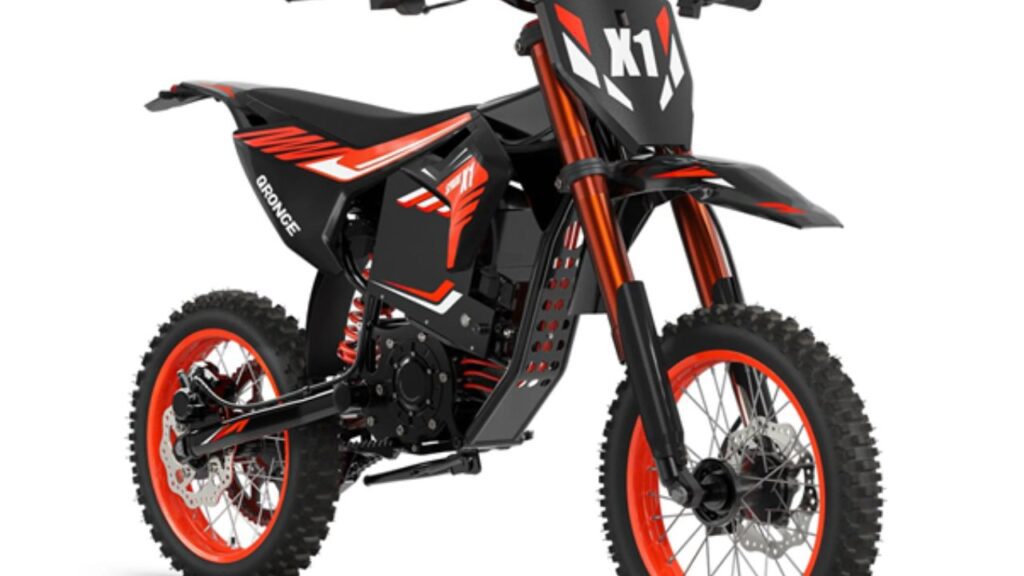
In those discussions, brands like Qronge are often mentioned as riders compare practical electric dirt bike options. Its X1 SPARK, in particular, frequently comes up in conversations focused on everyday off-road riding, where control and approachability matter as much as capability.
Final Thought
More power isn’t inherently bad. For certain riders and conditions, it makes sense.
But for most people comparing electric dirt bikes, the better question isn’t “How much power can it make?” It’s “How much power will I actually use comfortably?”
A bike that works with the rider—rather than constantly asking to be managed—often delivers the better experience in the long run. And in off-road riding, that balance is usually what keeps people coming back.