How Air Duct Cleaning Improves HVAC System Efficiency
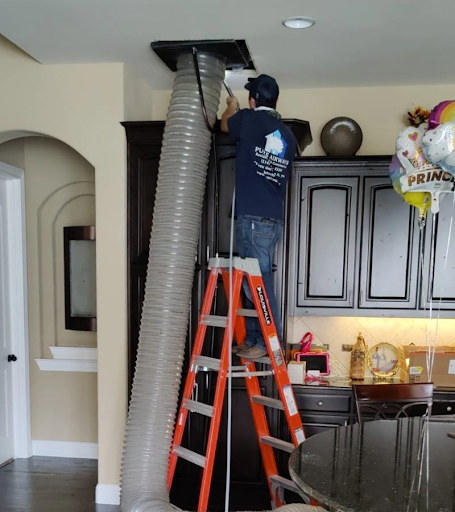
Air duct cleaning is the systematic removal of dust, allergens, and debris from a building’s heating, ventilation, and air conditioning (HVAC) pathways. This process restores optimal airflow, reduces mechanical strain on equipment, and prevents contaminants from circulating throughout the living space. Understanding how air moves through a residential or commercial structure helps identify potential inefficiencies. The HVAC unit pulls air from the living space through return ducts. It conditions this air by heating or cooling it, then pushes it back out through supply ducts.
This continuous cycle means that any airborne particles present in the home eventually enter the ductwork. As this layer of debris grows, it narrows the passage, increasing static pressure. The blower motor then uses more electricity to push the same volume of air, leading to higher monthly utility costs and unnecessary mechanical wear.
How Dirty Air Ducts Impact Indoor Air Quality
The concentration of pollutants indoors is often much higher than outdoors. Modern homes feature tight thermal envelopes to prevent energy loss. While this tight construction saves electricity, it traps airborne contaminants inside the living space.
When doors and windows remain closed, the HVAC system serves as the primary method for filtering the air. If the internal pathways hold heavy soil, the system continuously recirculates the same contaminated air. Removing the source of the contamination from inside the ductwork establishes a strong foundation for healthy baseline indoor air quality.
What Are the Signs You Need Air Duct Cleaning?
Homes and commercial buildings display specific symptoms when airflow drops. Property owners can look for these physical indicators before calling a professional:
- Rapid Dust Accumulation: If furniture requires dusting just days after a thorough cleaning, the system is redistributing particulate matter.
- Unexplained Odors: Musty or stale smells often originate from microbial growth inside damp cooling coils or dusty duct runs.
- Inconsistent Airflow: If one room receives poor airflow compared to others, a blockage or heavy buildup in that specific branch line is likely the cause.
- Increased Energy Bills: A sudden or gradual increase in heating and cooling costs points to a system struggling against restricted airflow.
- Respiratory Irritation: An increase in allergy symptoms indoors correlates with high levels of dust and dander circulating through the vents.
How Different HVAC Duct Materials Accumulate Debris
Residential and commercial properties utilize different types of materials to route air. The two most common are rigid sheet metal and flexible ducting. Each material interacts with dust and airflow differently.
Rigid metal ducts consist of galvanized steel or aluminum. They have smooth interior surfaces that promote efficient airflow. However, dust still settles in the corners of rectangular runs or along the bottom of round pipes. Moisture can also trap condensation against the metal. Flexible ducts consist of a wire helix covered in a durable plastic or metallic foil, surrounded by fiberglass insulation. The interior surface contains slight ridges. These ridges naturally create minor air turbulence, which traps dust particles more easily than smooth metal.
Why You Need Professional Air Duct Cleaning Services
Addressing airflow issues requires physically removing the debris. Routine filter changes only prevent new dust from entering the equipment. They do not clean what is already inside the walls. Investing in professional air duct cleaning uses specialized agitation tools and heavy-duty negative-pressure vacuums.
Technicians seal the system and place it under suction. They use rotary brushes and compressed air whips to dislodge dirt from the duct walls. The vacuum pulls the dislodged material completely out of the property. This process restores the interior channels to their original diameter, stabilizing static pressure and reducing the mechanical strain on the HVAC blower. Pure Airways Duct Cleaning Dallas is an air duct cleaning company in Dallas, TX specializing in air duct and dryer vent cleaning for residential and commercial properties.
How Routine Dryer Vent Cleaning Prevents Fire Hazards
While climate control systems manage indoor air, exhaust systems handle specific localized hazards. The most critical exhaust pathway in a standard home is the dryer vent. A clothes dryer removes moisture from damp laundry by heating the air and tumbling the garments. The resulting hot, moist air must vent outside the building.
During tumbling, fabrics shed thousands of microscopic fibers. The lint screen catches most of this material, but a small percentage bypasses the screen and enters the exhaust pipe. Over months and years, this lint sticks to the walls of the pipe, especially where moisture is present. Performing routine vent cleaning removes this highly flammable buildup. When lint restricts the exhaust pipe, the hot air cannot escape. The heat backs up into the dryer drum, forcing the appliance to run multiple cycles to dry a single load. This wastes electricity and creates severe mechanical strain on the dryer’s internal components.
Why Clogged Dryer Vents Restrict Exhaust Airflow
Dryer lint is highly combustible. It consists primarily of cotton and synthetic fibers. When exposed to high heat, these fibers ignite rapidly. A restricted exhaust pipe forces the heating element in the dryer to run hotter and longer than designed.
If the airflow drops below a critical threshold, the internal safety thermostats can fail. The trapped heat eventually reaches the ignition temperature of the lint accumulated inside the appliance cabinet or the wall pipe. Removing this material eliminates the fuel source, immediately neutralizing the fire risk.
How High Humidity Affects Air Ducts and Vents
Environmental factors influence how often these systems require attention. High humidity and extreme heat place extra demands on HVAC units and exhaust systems. Moisture in the air causes dust inside air ducts to stick more stubbornly to the walls. In exhaust pipes, humidity prevents lint from drying out and blowing through the line, causing it to clump and form dense blockages.
The Value of Regular Air Duct and Vent Maintenance
Proper facility management means looking beyond a property’s visible surfaces. The internal networks that move air and exhaust heat require the same level of attention as a roof, foundation, or exterior siding. By maintaining clean pathways, property owners protect their expensive mechanical equipment from premature failure.
Clean systems operate efficiently. They use less electricity, provide more consistent temperatures, and remove potential fire hazards from the structure. Ignoring these hidden systems leads to poor performance, higher operating costs, and uncomfortable living conditions. For guidance tailored to your specific building needs, consulting the experts at Pure Airways Duct Cleaning Dallas provides a reliable path to consistent HVAC performance and home safety.