The Pre-Owned Advantage: How Smart Buyers Are Beating Retail Premiums
The luxury watch market has flipped on its head over the past few years. While most people still walk into authorised dealers expecting to pay full retail, a growing number of smart buyers have figured out there’s a much better way to acquire the same timepieces. The pre-owned market isn’t just about finding deals anymore, it’s become the preferred route for people who actually understand how luxury watches work as both purchases and investments.
Why New Watches Tank in Value Immediately
Here’s what most people don’t realise. The moment you walk out of an authorised dealer with a brand new luxury watch, you’ve typically lost 20-40% of what you just paid. That’s not because the watch is suddenly damaged or inferior, it’s because retail markups in the luxury watch world are absolutely brutal.
Authorised dealers have massive overhead costs. Prime real estate, extensive staff training, elaborate showrooms, and the requirement to carry slow-moving inventory all get baked into the prices you pay. When you buy retail, you’re not just paying for the watch, you’re subsidising an entire expensive infrastructure that doesn’t actually add value to your timepiece.
The pre-owned market cuts through all that noise. A watch that retailed for £6,500 six months ago might be available for £4,500 in excellent condition. Same movement, same case, same everything, just without the retail premium attached. For Breitling Super Chronomat and Top Time watches, this price differential can be particularly dramatic given their retail positioning versus actual market demand.
Authentication Has Gotten Really Good
The biggest worry people have about buying pre-owned is getting stuck with a fake. That was a legitimate concern maybe ten years ago, but the authentication game has completely changed. Professional dealers now use techniques that are honestly more thorough than what you’ll get at most authorised retailers.
Modern authentication involves microscopic examination of movement components, serial number verification through manufacturer databases, and detailed condition documentation. The good platforms take photos that show you more detail than you’d ever see in a showroom under jewellery store lighting.
Companies like MVS Watches have built their entire reputation on getting this right. They can’t afford to let fakes slip through because their business model depends on buyer confidence. That’s actually a stronger incentive than most retail operations have, they’re selling you one watch, not trying to maintain a decades-long relationship with a brand manufacturer.
Access to Heritage and Special Editions
One of the most compelling aspects of the pre-owned market is access to pieces with genuine heritage and special significance. While you can walk into any authorised dealer and buy current production models, the pre-owned market offers watches with stories, limited editions, and discontinued pieces that have proven their worth over time.
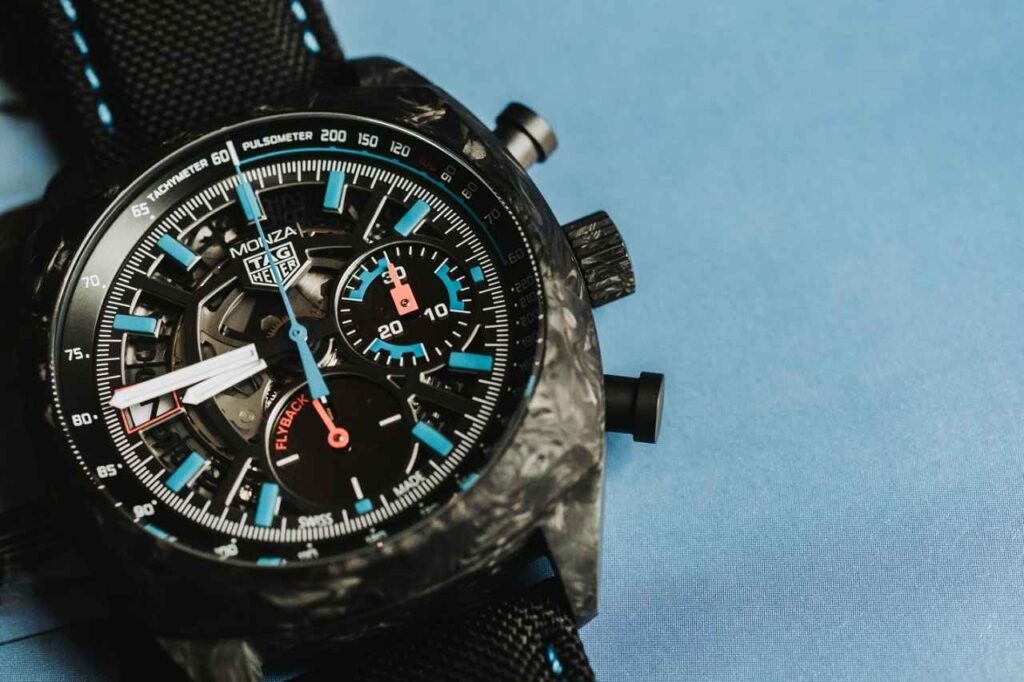
TAG Heuer Monaco, Carrera and Monza timepieces exemplify this perfectly. With TAG Heuer’s official partnership as the timekeeper for Formula 1, there’s renewed interest in their motorsport heritage pieces. The pre-owned market lets you access vintage Carreras from the actual golden era of motorsport, or Monaco models that predate the current production runs. These aren’t just watches, they’re pieces of racing history that often appreciate as the brand’s F1 profile increases.
The pre-owned market also gives you access to discontinued models that you simply can’t get new anymore. Some of the most interesting watches were only made for a few years before getting replaced by updated versions. If you want the original version, pre-owned is your only option.
Real Market Data vs Marketing Stories
Buying retail means accepting whatever story the brand wants to tell you about value, heritage, and investment potential. Buying pre-owned means you can see actual market performance data and make decisions based on reality instead of marketing.
You can track exactly how specific models have performed over time, which complications hold value best, and what the real demand patterns look like. This transparency is incredibly valuable for anyone treating watches as anything more than pure consumption purchases.
The data often reveals surprising patterns. Some models that brands push heavily at retail perform poorly in the secondary market, while others that get less marketing attention hold their value remarkably well. When you can see the actual numbers, you make smarter buying decisions.
The Platform Advantage
Modern pre-owned platforms have made the buying experience better than most retail operations. Instead of dealing with pushy salespeople and limited inventory, you get detailed condition reports, comprehensive photography, and the ability to compare multiple examples of the same watch.
The better platforms also handle shipping, insurance, and return policies more smoothly than many authorised dealers. They’re focused on the transaction rather than trying to upsell you on accessories or extended warranties you don’t need.
Plus, they typically offer some form of authentication guarantee that gives you legal recourse if something goes wrong. That’s often stronger protection than you get from smaller authorised dealers who might not even be around in a few years.
Timing the Market
The pre-owned market has predictable patterns that smart buyers can exploit. New model releases often cause temporary price drops for older versions. Economic uncertainty makes sellers more motivated. End-of-year tax considerations affect both buying and selling behaviour.
None of this happens in the retail market, where prices are fixed until the brand decides to change them. In the pre-owned market, you can actually time your purchases to get better deals by understanding these cycles.
The key is being patient and strategic rather than impulsive. If you know what you want and you’re willing to wait for the right opportunity, you can save significant money while getting exactly the watch you actually wanted.
Why This Trend Is Accelerating
The pre-owned market keeps getting better while retail channels remain stuck with their legacy cost structures. Better authentication technology, improved online platforms, and greater buyer sophistication all favour the pre-owned route.
Younger buyers especially are comfortable with online purchasing and tend to research everything extensively before buying. They’re less impressed by fancy showrooms and more interested in getting good value for their money. This demographic shift strongly favours pre-owned platforms over traditional retail.
The transparency advantage is only going to increase as more data becomes available and platforms get better at presenting it. Meanwhile, retail channels are limited in how much they can improve their value proposition without fundamentally changing their business models.
For anyone looking to acquire luxury timepieces intelligently, the pre-owned route has become the obvious choice. You get better selection, better prices, better information, and often better service. The only thing you give up is the fleeting satisfaction of being the “first owner”, and most people quickly realise that’s not worth paying 30% extra for.