Laser Cutter Sheet Metal Buying Guide for Manufacturers
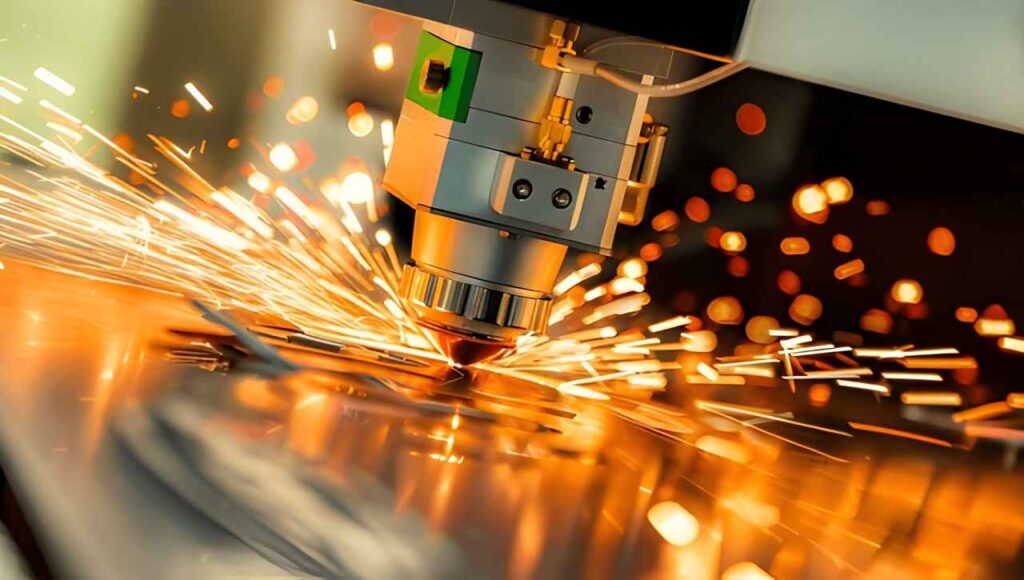
As manufacturing evolves, laser cutter sheet metal machines have become a cornerstone of modern production. They offer unmatched precision, speed, and efficiency, making them indispensable for manufacturers aiming to optimize operations. However, with numerous models available, selecting the right machine can be challenging. This guide walks you through essential considerations to make an informed choice.
Understanding Sheet Metal Laser Cutting
A laser cutter sheet metal system employs a concentrated laser beam to slice through metals with exceptional accuracy. It is widely used across sectors including automotive, aerospace, construction, and general metal fabrication.
Commonly processed materials include:
- Carbon steel
- Stainless steel
- Aluminum
- Copper and brass
The technology ensures smooth edges, tight tolerances, and minimal scrap, which directly reduces production costs and enhances overall efficiency.
Why Laser Cutting Surpasses Traditional Methods
While conventional methods like plasma cutting or mechanical shearing have their place, laser cutting offers distinct advantages:
- Faster production speeds, enabling higher output.
- Superior precision, suitable for intricate and complex designs.
- Lower maintenance requirements, thanks to fewer mechanical components.
- Versatility, able to handle a wide range of material thicknesses without changing tools.
For manufacturers, these benefits translate into reliable, repeatable results and the ability to meet demanding client requirements.
Types of Laser Cutting Machines
Choosing the right type depends on your materials and production needs. The main categories include:
Fiber Laser Cutting Machines
Fiber lasers excel in cutting reflective metals such as aluminum and copper. They generally offer faster operation and lower running costs, making them ideal for high-volume metal fabrication.
CO2 Laser Cutting Machines
CO2 lasers are better suited for cutting non-metallic materials or thicker metals at slower speeds. They remain widely used in industries like signage, packaging, crafts, and electronics.
Tip: For predominantly metal fabrication, fiber lasers usually provide better long-term value.
Key Considerations Before Purchase
Manufacturers should evaluate several critical aspects to ensure the machine meets their needs:
Power Output
Laser machines range from about 1 kW to over 30 kW. Higher power allows faster cutting and thicker material processing, but selecting the correct power level depends on your typical applications.
Table Size
The work area must accommodate the sheets you usually handle. Standard sizes are around 3m x 1.5m, though larger tables are available for oversized materials. Picking the right size prevents wasted space and unnecessary facility adjustments.
Automation
Automation features, such as robotic loading/unloading and nesting software, can greatly improve productivity and reduce labor costs. For high-volume production, these features become essential.
Evaluating Return on Investment
The initial investment in a laser cutter sheet metal machine can be substantial, but the long-term benefits often justify the cost:
- Lower cost per part due to reduced waste
- Fewer errors and rework
- Faster turnaround times
- Increased production efficiency
With proper utilization, many manufacturers can see a return on investment within one to two years.
Selecting a Reliable Supplier
A quality machine requires a dependable supplier for technical support and customization. A knowledgeable supplier ensures you have access to guidance for troubleshooting, maintenance, and optimization, reducing downtime and maximizing performance.
Industry Applications
Here’s how different sectors benefit from laser cutting:
- Signage and Advertising
Recommended: CO2 Laser
Use: Precision cutting of acrylic, wood, or plastic without additional finishing. - Sheet Metal Fabrication
Recommended: Fiber Laser
Use: High-speed cutting of metals with excellent edge quality and efficiency. - Automotive Components
Recommended: Fiber Laser
Use: Cutting parts of varying thicknesses and shapes with consistent precision. - Furniture and Decorative Products
Recommended: CO2 Laser
Use: Cutting and engraving non-metallic materials such as MDF, wood, and acrylic. - Electrical Panels and Appliances
Recommended: Fiber Laser
Use: High-volume cutting of metal panels and components efficiently.
Even if your specific industry is not listed, these principles—considering material type, volume, and required precision—will help guide your choice.
Conclusion
Investing in a laser cutter sheet metal machine enhances manufacturing capabilities by offering precision, speed, and flexibility. By carefully assessing machine type, table size, power, automation features, and supplier reliability, manufacturers can secure a tool that provides long-term operational and financial benefits.






