How to Preserve Concrete, Pavers, and Masonry with Permanent Sealing Solutions
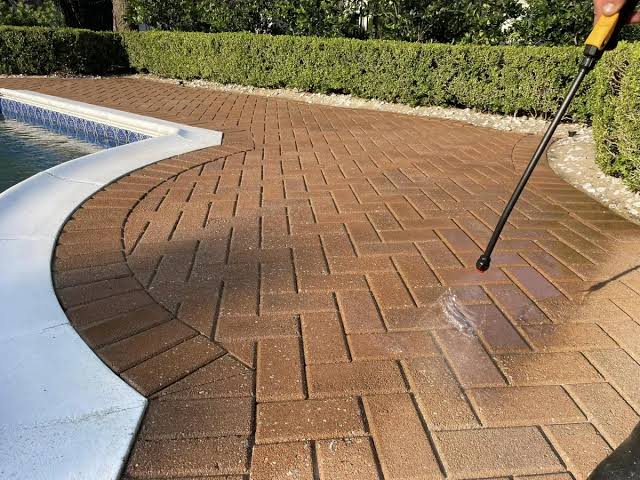
Concrete, pavers, and masonry are widely used for driveways, patios, walkways, and building exteriors due to their durability and aesthetic appeal. However, exposure to the elements, heavy traffic, and natural wear can cause these surfaces to crack, stain, or degrade over time. Without proper protection, moisture, chemicals, and UV exposure can shorten the lifespan of these materials, leading to costly repairs or replacements.
DuraSeal Inc provides high-quality solutions for protecting concrete, pavers, stone, and masonry with permanent sealing treatments. Sealing these surfaces enhances their durability, prevents damage, and maintains their visual appeal for years. Whether in residential, commercial, or outdoor spaces, a proper sealing solution ensures long-term protection against environmental and structural threats.
This article explores the importance of sealing concrete, pavers, and masonry, detailing how it prevents deterioration, improves appearance, and reduces maintenance needs. Understanding the best practices for sealing these materials helps property owners make informed decisions to extend the life of their investments.
Why Sealing Concrete, Pavers, and Masonry is Essential
While concrete and masonry are known for their strength, they are also porous materials that absorb moisture, dirt, and contaminants. Over time, unsealed surfaces become prone to cracks, discoloration, and structural weakening.
1. Preventing Water Penetration and Freeze-Thaw Damage
- Concrete and stone absorb water, which can expand when frozen, causing cracks and surface damage.
- Sealed surfaces repel moisture, preventing internal expansion and contraction during temperature fluctuations.
- Proper sealing protects against ice, rain, and standing water, reducing the risk of long-term deterioration.
2. Protecting Against Stains and Discoloration
- Oil, grease, and chemical spills can leave permanent stains on unsealed surfaces.
- Pavers in high-traffic areas accumulate dirt and grime, leading to fading and discoloration.
- A quality sealant forms a protective layer that prevents stains from penetrating the material, making cleanup easier.
3. Strengthening Structural Integrity
- Water infiltration weakens concrete and masonry over time, leading to erosion and instability.
- Sealing strengthens the surface by preventing cracks and reinforcing the material against natural wear.
- Well-maintained, sealed structures last longer and require fewer repairs, reducing long-term costs.
Choosing the Right Sealant for Concrete, Pavers, and Masonry
Not all sealants provide the same level of protection, and choosing the right one depends on factors such as climate, exposure levels, and material type.
4. Understanding Different Types of Sealers
- Penetrating Sealers – Absorb into the surface, providing long-term protection without altering appearance.
- Film-Forming Sealers – Create a visible protective layer that enhances color and texture.
- Wet-Look Sealers – Provide a glossy finish while offering strong resistance against moisture and wear.
- Natural-Finish Sealers – Preserve the original appearance of stone or concrete without adding shine.
5. Selecting the Best Sealant for Specific Applications
- Driveways and Walkways – Require a strong, penetrating sealer to withstand vehicle traffic and weather exposure.
- Patios and Pool Decks – Benefit from slip-resistant and UV-resistant sealers for safety and longevity.
- Retaining Walls and Masonry Exteriors – Need breathable, water-repellent sealers to prevent internal moisture damage.
Best Practices for Sealing Concrete, Pavers, and Masonry
Proper surface preparation and application techniques ensure that sealers provide lasting protection.
6. Preparing the Surface Before Sealing
A clean and dry surface allows the sealer to bond effectively and penetrate deep into the material.
Steps for Proper Preparation:
- Remove dirt, dust, and debris using a pressure washer or commercial cleaner.
- Allow the surface to dry completely before applying the sealer.
- Repair any cracks or damage to ensure an even coating.
- If applying to older surfaces, use a degreaser to remove oil stains before sealing.
7. Applying the Sealant Correctly
The application method plays a key role in achieving uniform coverage and optimal protection.
Effective Application Techniques:
- Use a brush, roller, or sprayer for even distribution of the sealer.
- Apply in thin, consistent layers to prevent pooling or uneven drying.
- Follow the manufacturer’s drying time recommendations before exposing the surface to foot or vehicle traffic.
- In high-traffic areas, consider applying multiple coats for added durability.
Long-Term Maintenance of Sealed Surfaces
Sealing significantly reduces maintenance efforts, but periodic upkeep ensures that surfaces remain in excellent condition.
8. Routine Cleaning for Lasting Protection
- Sweep or rinse surfaces regularly to remove dust and debris.
- Use mild soap and water for spot cleaning rather than harsh chemicals.
- Avoid using abrasive materials that may wear down the protective seal.
9. Checking for Wear and Resealing When Necessary
- Over time, exposure to weather and traffic may wear down the sealant’s effectiveness.
- If water no longer beads on the surface or stains become harder to remove, it may be time to reapply a sealant.
- In most cases, reapplying every few years ensures continuous protection and preserves the material’s quality.
10. Protecting Against Harsh Environmental Factors
Extreme conditions can accelerate surface wear, making proactive protection essential.
Ways to Minimize Environmental Damage:
- Apply a fresh coat of sealer before the rainy season or winter months.
- Use mats or protective coverings in high-traffic areas to reduce direct impact.
- Ensure proper drainage around pavers and concrete to prevent water pooling.
The Benefits of Professional Sealing Services
While DIY sealing can be effective, professional sealing services provide added advantages in terms of quality and longevity.
11. Why Professional Sealing is a Worthwhile Investment
- Experts use high-quality sealing products that provide superior performance.
- Proper application ensures full coverage and deep penetration into the material.
- Professional sealing extends the life of concrete, pavers, and masonry, reducing future repair costs.
DuraSeal Inc offers specialized solutions for long-lasting protection of concrete, pavers, stone, and masonry. Professional application ensures that surfaces remain durable, resistant to damage, and visually appealing for years to come.
Conclusion
Sealing concrete, pavers, and masonry is a critical step in preserving their strength, appearance, and functionality. These surfaces face constant exposure to moisture, UV rays, and heavy use, making them susceptible to wear and deterioration over time. A high-quality sealant prevents water damage, stains, and cracks while reducing the need for frequent maintenance.
With proper preparation, application, and routine upkeep, sealed surfaces remain in top condition for years. Whether protecting a driveway, patio, or retaining wall, investing in permanent sealing solutions enhances durability and ensures long-term performance. Property owners can rely on effective sealing methods to maintain both the aesthetic and structural integrity of their surfaces.