The Cost of Ignoring Blocked Drains in Beaches Properties
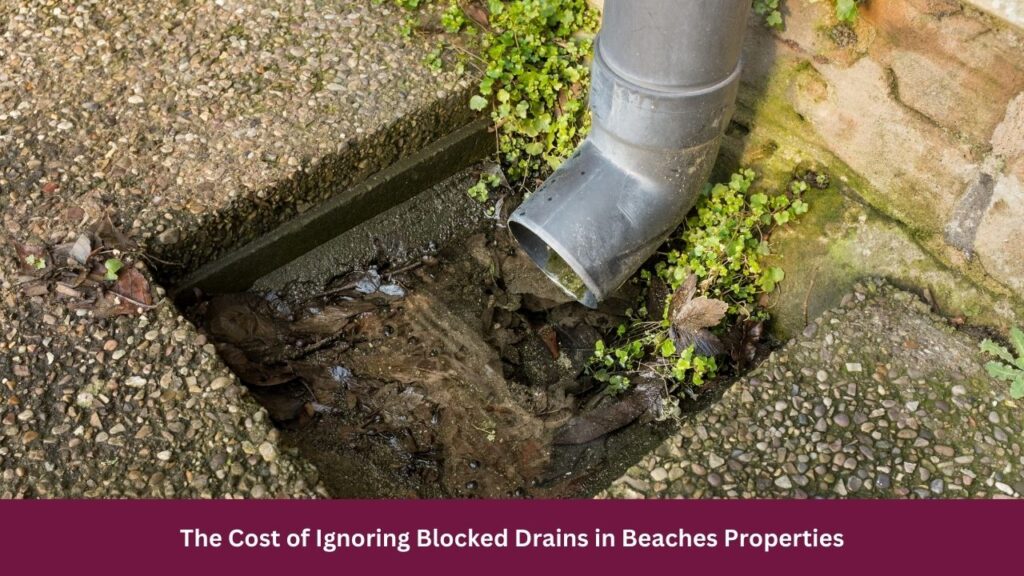
Blocked drains are one of the most common (and frustrating) plumbing issues for Sydney homeowners. Whether it’s water pooling in your shower or an unpleasant smell wafting from your kitchen sink, the signs are hard to miss—and easy to ignore.
But here’s the thing. Ignoring blocked drains in Northern Beaches properties can lead to expensive damage, and health hazards, and even affect your home’s value. Among the many causes of blocked pipes, a major culprit is cooking oils and fats being washed down the sink. Left unchecked, these all-too-common offenders can wreak havoc on your home’s drainage system.
This blog explores how Total Relining Solutions solves the problem of blockage due to cooking oils and fats, how to prevent trouble before it starts, and when you should consider calling in the professionals.
The Hidden Culprit in Your Kitchen Sink
When you pour cooking oils and fats down the sink, they may appear harmless in liquid form. However, once they hit cooler pipes, these substances solidify, forming stubborn clogs that restrict water flow over time.
Think of it like cholesterol in your arteries—building up gradually until it creates a massive problem. Cooking oils, butter, meat fat, and even salad dressings can mix with other debris like food scraps, soap scum, and hair to create a thick, greasy blockage.
Kitchen sinks and drains bear the brunt of these blockages. If left untreated, grease clogs can lead to slow-draining water, unpleasant odors, and ultimately complete pipe blockages requiring costly repairs.
Why Blocked Drains Are a Problem in Northern Beaches Homes
Residents of Chatswood and the Northern Beaches region are no strangers to plumbing issues. With a mix of older homes and modern builds, pipes in this area face unique challenges. Older systems are more prone to damage and gradual buildup, while newer ones might not yet have robust drainage systems in place.
Additionally, if your property lies close to coastal areas in the Northern Beaches, the salt and minerals in the water can contribute to pipe erosion, exacerbating blockages caused by oils and fats. Combined with Chatswood’s busy lifestyle, it’s no wonder many homeowners accidentally neglect one of the simplest maintenance steps—proper disposal of kitchen waste materials.
Tips to Prevent Cooking Oil Blockages
The good news is, preventing drain blockages caused by oils and fats doesn’t require expert-level plumbing knowledge. Simple lifestyle changes can save you time, money, and stress in the long run.
Here are some practical prevention tips you can start using today:
- Don’t Pour Oils Down the Sink: Dispose of cooking oils by letting them cool and then transferring them to a sealed container. Throw it in the trash or take it to a local waste collection center.
- Wipe Before You Wash: Before rinsing greasy pans or dishes, wipe excess oil off with a paper towel and throw it away.
- Use Sink Strainers: Use drain covers or strainers to catch food scraps, debris, and grease from entering the pipes.
- Run Hot Water: Occasionally run hot water down your sink after cleaning to flush out any lingering grease particles.
- Install a Grease Trap (for larger households or investment properties): Consider installing a grease trap to catch fats and oils before they enter the drainage system.
DIY Fixes for Minor Blockages
Even with the best preventative measures, minor blockages can still occasionally occur. Thankfully, there are a few handy DIY methods to tackle the problem early.
Take these simple steps to keep your drains flowing freely:
- Hot Water and Dish Soap: Pour boiling water mixed with dish soap down the drain. This can help dissolve small grease buildups.
- Baking Soda and Vinegar: Pour a cup of baking soda into the drain, followed by a cup of vinegar. Wait 10 minutes, then flush with hot water. This natural remedy works well for grease and grime buildup.
- Plunger Power: Use a plunger to dislodge any clogs near the surface. This is particularly effective for shallow blockages.
These methods might seem basic but are surprisingly effective for minor clogs from cooking fats.
Know When to Call A Professional
While DIY solutions work for small blockages, larger, more stubborn clogs are best left to professionals. Ignoring severe blockages not only increases damage to your pipes but can also lead to flooding and costly repairs.
Here are a few signs it’s time to call in an expert for blocked drains in Northern Beaches properties:
- Water backing up instead of draining.
- Persistent bad odors despite cleaning.
- Gurgling noises from your pipes.
- Multiple slow-draining sinks or toilets in your home.
Professionals like Total Relining Solutions use advanced tools like hydro-jetting and CCTV pipe inspections to tackle blockages that DIY tools can’t reach. By addressing problems early, you’ll avoid hefty repair bills and keep your drainage system healthy.
Conclusion
The cost of ignoring blocked drains can stretch far beyond an inconvenient mess—it increases your chances of structural damage, contaminated water, and health risks. By properly disposing of cooking oils and maintaining your drains, you can save yourself from plumbing headaches further down the line.