A Complete Guide to Immediate Steps After a House Fire: Protecting Your Family and Property
How to Activate Your ALE Coverage and Begin the Proof-of-Loss Inventory After Residential Fire Damage
Most homeowners don’t realize their ALE coverage can be activated within 24 hours — but only if they follow the immediate steps after a house fire before soot remediation crews arrive and the fire marshal issues formal re-entry clearance.
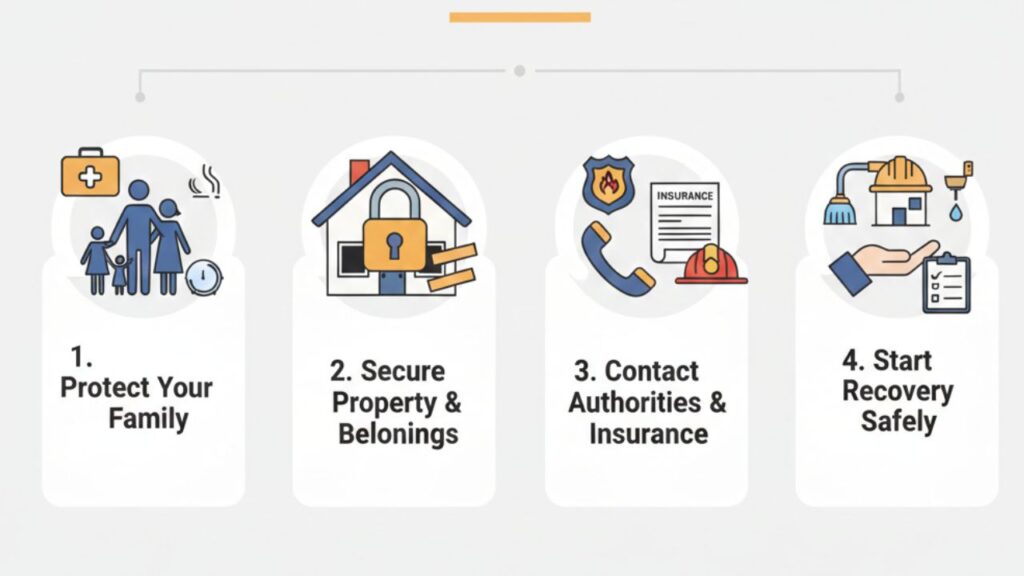
Experiencing a house fire is one of the most traumatic events a family can endure, leaving not only physical damage but also emotional scars. In the aftermath of such a devastating incident, it is crucial to act swiftly and thoughtfully to ensure the safety of your loved ones and to mitigate further losses. This comprehensive guide will walk you through the immediate steps to take following a house fire, equipping you with the knowledge necessary to navigate this challenging situation. From ensuring the well-being of family members and pets to securing your property and addressing insurance claims, each step plays a vital role in the recovery process. Understanding how to effectively respond can significantly reduce the stress and confusion that often accompany such emergencies. Moreover, being prepared can help you preserve important documents, safeguard belongings that can be salvaged, and facilitate interactions with emergency responders and insurance representatives. In this article, we aim to provide a clear, actionable roadmap that prioritizes the safety and recovery of your family while protecting your property rights. By following these guidelines, you can begin the journey toward rebuilding your life and restoring a sense of normalcy after a fire.
– Assess Safety and Ensure Family’s Well-being
Following a house fire, the primary focus must be on assessing safety and ensuring the well-being of all family members. Immediate steps after a house fire include checking for injuries and ensuring that everyone is accounted for. In the chaos that often follows such an event, it is crucial to remain calm and methodical in this assessment. If anyone requires medical attention, seek help promptly. Additionally, avoid re-entering the structure until it has been deemed safe by professionals, as hidden dangers may still exist, such as structural instability or lingering smoke and toxic fumes.
Once you confirm that everyone is safe, consider the emotional impact of the experience. It may be beneficial to provide support to family members, especially children, who might be feeling fear or confusion. Open lines of communication can help address their concerns and foster a sense of security. Furthermore, contact local emergency services or disaster relief organizations to access additional resources. These immediate steps after a house fire are foundational not only for physical safety but also for emotional recovery and resilience in the aftermath of such a devastating event.
– Contact Emergency Services for Assistance
engage professional assistance promptly. Emergency services play a critical role in helping families navigate the aftermath of a house fire, ensuring that immediate needs are addressed and providing guidance on next steps. They can assess the damage, determine whether the structure is safe, and assist in coordinating further support. In addition to safety evaluations, these professionals can offer resources for temporary housing, emotional support services, and information about financial assistance for recovery efforts.
Reaching out to emergency services is not only about physical safety; it also serves to document the incident officially, which can be crucial for insurance claims and recovery processes. By securing this assistance, families can begin to prioritize their recovery, allowing them to focus on rebuilding both their lives and their home. Establishing contact with local fire departments, emergency management agencies, and community support networks will facilitate a smoother transition as immediate steps after a house fire evolve into a comprehensive recovery plan.
– Document Damage for Insurance Claims
Thoroughly documenting damage immediately after a house fire is essential for navigating insurance claims effectively. Families should capture detailed photographs and videos of all affected areas, including structural damage, personal belongings, and any residual effects of the fire, such as smoke or water damage. This visual evidence will not only support insurance claims but can also aid in providing a comprehensive overview of losses incurred. Additionally, maintaining an inventory of damaged items, along with their estimated values and purchase receipts, can further substantiate the claim and facilitate a smoother recovery process.
Collecting this information promptly is crucial, as many policies have specific timeframes for filing claims. Engaging with insurance representatives early in the process allows families to understand their coverage and the necessary documentation required. By preparing a thorough record of damages, homeowners can avoid potential disputes and ensure they receive the assistance needed to rebuild their lives after such a devastating event.
In conclusion, navigating the aftermath of a house fire is a daunting task, but taking immediate, informed steps can significantly mitigate the impact on your family and property. From ensuring the safety of your loved ones to documenting damages and contacting your insurance provider, each action plays a crucial role in the recovery process. Remember to lean on local resources and support networks, as they can provide invaluable assistance during this challenging time. By staying organized and proactive, you can begin to rebuild not only your home but also your sense of security and stability. Ultimately, being prepared for such emergencies can make all the difference in the healing journey ahead.