Innovative Retail Shelving Designs to Improve Store Aesthetics
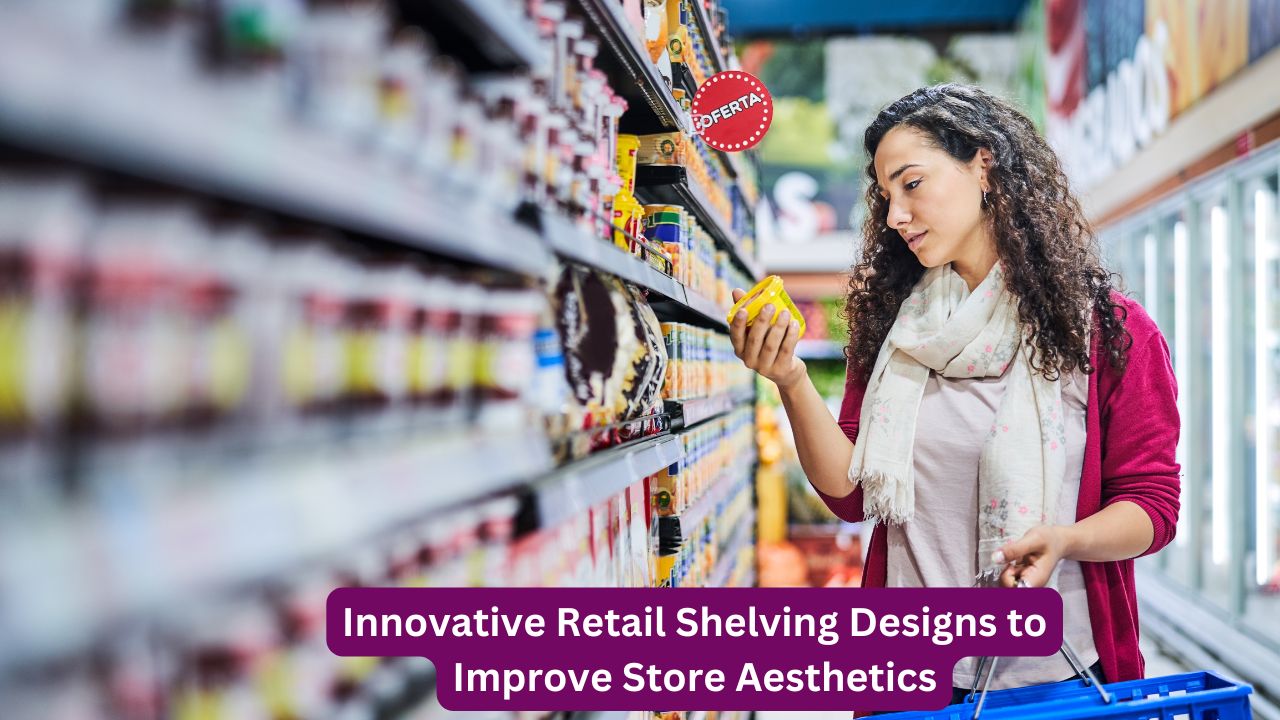
Retail shelving plays an important role in shaping a store’s overall aesthetic and functionality. For designers and creative professionals, it’s not just about displaying products; it’s about creating an environment that enhances the shopping experience. From maximizing space to highlighting key merchandise, innovative shelving solutions can transform any retail space into a visually captivating and highly efficient setting. In this article, we explore the latest trends, practical tips, and outstanding designs in retail shelving that will inspire and empower designers to create exceptional retail environments.
<h2>Maximizing Space with Modular Shelving Solutions</h2>
Modular shelving systems are a standout choice for retail spaces that need versatility and adaptability. These systems allow designers to customize configurations that suit specific needs, whether for showcasing seasonal products or creating thematic displays. Modular retail shelving is particularly advantageous in smaller spaces, where maximizing every square foot is essential. By using adjustable shelves, interchangeable components, and stackable units, designers can easily modify layouts to respond to changing inventory and promotional strategies. One of the leading benefits of modular shelving is its ability to support a dynamic retail environment. For example, a clothing boutique can switch from displaying a summer collection to a winter one without needing a complete redesign. The flexibility of modular systems also supports creative merchandising, allowing for experimentation with different shelf heights, angles, and orientations to create distinct visual effects. Many modular shelving options are available in a range of finishes and materials, including wood, metal, and glass, offering designers ample choices to align with brand aesthetics.
<h2>Embracing Sustainability with Eco-Friendly Shelving Designs</h2>
As sustainability continues to influence consumer preferences, eco-friendly retail shelving has become a notable trend in the design world. Materials like reclaimed wood, recycled metal, and bamboo not only support environmental goals but also add a distinct, natural appeal to retail spaces. Designers can integrate these materials into shelving units to craft an authentic and environmentally conscious look that resonates with eco-minded shoppers. Eco-friendly shelving is more than just a trend—it’s a reflection of a brand’s values and commitment to sustainability. For designers, incorporating these elements can create a cohesive message throughout the store, from product offerings in aisles to interior design. Many sustainable shelving solutions are built to last, reducing the need for frequent replacements and minimizing environmental impact over time. By opting for high-quality, sustainable retail shelving, designers can offer their clients a premium, durable solution that aligns with the growing demand for green practices.
<h2>Enhancing Visual Merchandising with Custom Shelving</h2>
Custom shelving designs are a game-changer for retailers seeking to create a distinct and memorable shopping experience. Unlike standard shelving units, custom designs are tailored to the specific needs and branding of a store, making them an excellent choice for luxury boutiques, specialty shops, and flagship stores. Custom retail shelving allows designers to infuse a store’s identity into every aspect of the display, from the choice of materials to the configuration of the shelves. For example, a high-end jewelry store might opt for sleek glass shelving paired with LED lighting to highlight the brilliance of their products, while a children’s toy store could use colorful, playful shelving designs to create a whimsical atmosphere. The possibilities are virtually endless, and custom shelving provides a platform for designers to showcase their creativity and align with the brand’s narrative. Custom designs can incorporate smart features like built-in lighting, digital screens, and interactive elements, enhancing the overall shopper engagement.
<h2>Balancing Functionality and Aesthetics in Shelving Design</h2>
Striking the right balance between functionality and aesthetics is key when designing retail shelving. While the visual appeal of shelving is important, it must also meet the practical needs of the store, such as ease of access, durability, and the ability to support various product weights. Designers should consider the flow of the store and how shelving will impact customer movement and interaction with products. Functional design does not have to compromise on aesthetics. For instance, floating shelves can provide a minimalist and modern look while keeping products at eye level and easy to reach. Similarly, shelving with integrated storage can keep the display area clean and organized, enhancing the overall shopping experience. When designing retail shelving, consider how the units will be used daily, ensuring they support both the store’s operational needs and its visual branding.
<h2>Exploring Technology Integration in Retail Shelving</h2>
The integration of technology into retail shelving is transforming the shopping experience, making it more interactive and engaging for customers. Smart shelving solutions, such as pieces equipped with digital price tags, sensors, and augmented reality features, are becoming increasingly popular in modern retail environments. These technologies not only provide convenience but also open new avenues for creative merchandising. For example, interactive shelves can display product information, reviews, or promotional content when customers approach or pick up an item. This kind of engagement enhances the shopping experience by offering additional layers of information and personalized recommendations. Designers can leverage these smart shelving solutions to create dynamic displays that adapt to customer behavior, driving deeper connectivity and increasing sales opportunities. By embracing these advanced retail shelving options, stores can offer a cutting-edge experience that stands out in a competitive market.
<h2>Incorporating Striking Materials for Distinctive Shelving Designs</h2>
Eyecatching materials help window and aisle displays stand out in busy shopping malls or boutique stores on the street. Using distinctive and unconventional materials in retail shelving helps to make an impression on shoppers. Materials like acrylic, copper, or mixed-media shelves can introduce elegant elements, enhancing the store’s overall look. For example, clear acrylic shelving can give the illusion of floating products, allowing items to take center stage without visual clutter. Designers should also consider the tactile and visual impact of their material choices. Textured materials, such as woven fabric or perforated metal, can add depth and interest to shelving designs. These materials can be particularly effective in stores that aim to convey a specific brand ethos, from industrial chic and vintage charm to high-end luxury or futuristic minimalism. The use of distinct materials not only contributes to the aesthetics but speaks to the brand messaging within the retail environment, creating a cohesive and immersive experience for customers.
<h2>Create Remarkable Retail Spaces with Cutting-Edge Shelving</h2>
Innovative retail shelving can create environments that captivate and engage customers. It extends beyond basic functionality to become a key element of in-store design. By utilizing modular systems, sustainable materials, and advanced technology, retail designers can craft spaces that not only reflect a brand’s identity but also enhance the overall shopping experience. Custom shelving and distinctive materials offer endless possibilities for enhancing store aesthetics that can go towards building customer loyalty. Embracing innovative shelving solutions enables designers to transform retail spaces into exceptional destinations that resonate with shoppers and drive success.