Innovative Strategies for Leading a Successful Fuel Distribution Company
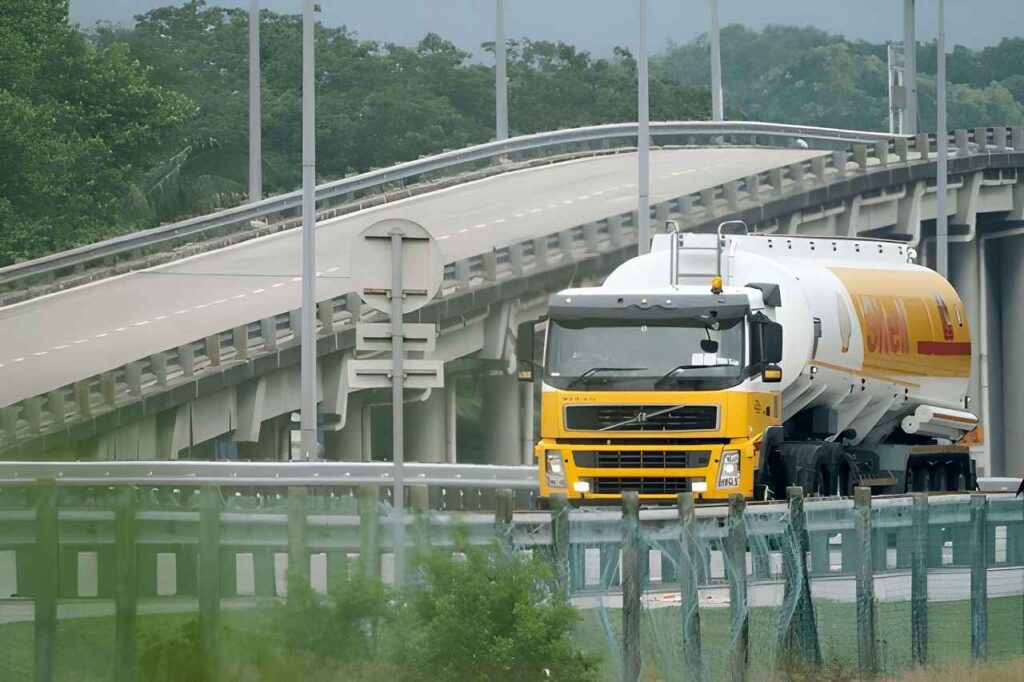
The fuel industry is fast-moving, highly regulated, and intensely competitive. To grow in this environment, a fuel distribution company must do more than deliver on time—it needs strong systems, smart technology, resilient planning, and a customer-first mindset. Companies that innovate consistently are the ones that protect margins, earn long-term contracts, and stay stable even when markets become unpredictable.
Below are practical, modern strategies that help fuel distributors stand out and build sustainable success.
1) Understand Market Dynamics Before They Impact You
Fuel distribution is shaped by global price changes, supply disruptions, local regulations, and shifting customer expectations. Successful operators stay informed through continuous market research and use that information to make smarter decisions—whether it’s pricing, expansion, storage planning, or customer targeting.
Key actions include:
- tracking industry trends and competitor movements
- monitoring customer demand patterns and seasonal changes
- staying updated on regulatory updates and compliance shifts
This kind of awareness allows a business to respond quickly instead of reacting late.
2) Optimise the Supply Chain to Reduce Cost and Improve Delivery
Supply chain performance is one of the biggest profitability drivers for a fuel distribution company. Better logistics reduces operational waste and improves service reliability.
Ways to strengthen supply chain efficiency:
- adopt route optimisation tools to reduce distance and fuel use
- upgrade inventory systems to prevent shortages and overstock
- build strategic partnerships with suppliers and transport networks
- introduce digital tracking for shipments and tank levels
Even small efficiency improvements compound into major cost savings over time.
3) Embrace Technology as a Competitive Advantage
Technology is transforming fuel distribution through automation and real-time visibility. Companies that modernise operations can improve safety, reduce downtime, and make smarter decisions faster.
High-impact tech upgrades include:
- IoT monitoring for tanks, delivery vehicles, and storage systems
- automation for reporting, dispatching, and compliance documentation
- data analytics to forecast demand and reduce delivery inefficiencies
- predictive maintenance to prevent breakdowns and costly disruptions
Technology isn’t only for large corporations—many tools are now accessible for mid-sized distributors as well.
4) Adopt Sustainable Practices Without Losing Efficiency
Sustainability is becoming a business requirement—not just a marketing benefit. Customers, regulators, and partners are increasingly prioritising environmental responsibility.
Smart, practical steps include:
- optimising delivery routes to reduce emissions
- maintaining fleet efficiency through regular servicing
- investing in cleaner operational practices where possible
- exploring alternative energy solutions when it fits the business model
A forward-thinking fuel distribution company can treat sustainability as both a responsibility and a long-term business advantage.
5) Build Strong Customer Relationships Through Reliability and Custom Solutions
Fuel customers value two things: consistency and trust. Reliability wins contracts and keeps them.
To strengthen customer loyalty:
- offer flexible delivery schedules
- create tailored fuel programs for different client needs
- provide transparent communication and fast problem resolution
- deliver consistent quality and accurate documentation
Customer experience is not just service—it’s a growth strategy.
6) Lead Strongly and Invest in Workforce Development
Even the best strategy fails without execution. Strong leadership and a skilled workforce are essential for growth, safety, and operational consistency.
Effective workforce strategies include:
- regular training on safety, compliance, and systems
- recognition programs to improve morale and retention
- clear performance standards and team communication
- leadership that keeps teams aligned with company goals
In a high-responsibility industry like fuel distribution, training and culture directly impact success.
7) Use Modern Marketing to Strengthen Visibility and Credibility
Marketing matters even in B2B industries. A strong brand builds trust and helps customers choose you over competitors.
Effective marketing actions:
- build a professional online presence and service pages
- share proof of reliability (case studies, testimonials, certifications)
- use digital marketing to reach commercial customers locally
- highlight your unique value: safety standards, speed, coverage, or pricing models
A consistent brand message builds authority in the market.
8) Strengthen Risk Management and Crisis Preparedness
Supply disruptions, natural disasters, economic changes, and geopolitical tensions can impact fuel operations without warning. A proactive fuel distribution company plans for uncertainty.
Risk planning can include:
- emergency response procedures
- backup supply or transport options
- safety and incident response training
- insurance and contingency financial planning
- regular system audits and scenario testing
Preparedness reduces downtime and protects business continuity.
9) Maintain Strong Financial Control and Strategic Investment
Sustainable growth requires disciplined financial management. This includes cost control, forecasting, smart expansion planning, and careful investment in assets.
Important financial habits:
- track key operational costs and margins
- forecast demand and capacity needs
- invest where it improves reliability, safety, or profitability
- build financial buffers for volatile market conditions
Financial stability allows you to grow confidently even during uncertainty.
10) Stay Compliant and Proactive With Regulations
Compliance is non-negotiable in fuel distribution. It affects safety, licensing, insurance, contracts, and reputation.
Strong compliance practices include:
- routine audits and safety checks
- updated training aligned with standards
- tracking regulatory changes that affect operations
- maintaining accurate documentation at every level
Avoiding compliance risks protects your business from penalties and reputational harm.
11) Engage With the Community to Strengthen Brand Trust
A fuel distribution company that supports its local community builds long-term goodwill. Community engagement improves public reputation, helps attract staff, and strengthens customer trust.
Examples include:
- supporting local initiatives and charities
- contributing to safety awareness programs
- offering apprenticeships or training opportunities
Positive community presence builds a stronger brand foundation.
12) Create a Culture of Continuous Improvement
The fuel industry evolves constantly. Companies that stay ahead encourage innovation at every level—drivers, dispatchers, admin teams, and management.
Continuous improvement means:
- reviewing systems and performance regularly
- encouraging team feedback and improvement ideas
- updating technology and processes as needed
- learning from incidents and near-misses to improve safety
Innovation doesn’t need to be expensive—it needs to be consistent.
Conclusion
Leading a successful fuel distribution company requires a balanced approach: operational excellence, technology adoption, customer focus, safety-first culture, and strong planning for risk and compliance. Companies that modernise and improve continuously are the ones that grow, retain clients, and stay stable in a changing industry.