Comprehensive Strategies and Proven Benefits of Junk Removal in 2026
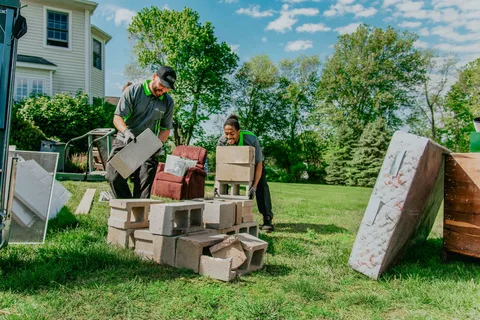
Clutter doesn’t usually arrive all at once. It builds quietly—an old chair that never got listed, a broken printer pushed into a corner, a “temporary” pile that becomes permanent. By the time you notice, the space feels smaller, messier, and harder to live or work in.
In 2026, junk removal isn’t only about making a room look nicer. It’s about reclaiming usable space, reducing safety risks, protecting your time, and disposing of items responsibly in a world that’s paying closer attention to sustainability and waste.
This updated guide walks you through a clear, realistic system for decluttering, choosing the right disposal route, and maintaining an organized space long-term—without turning it into a stressful weekend meltdown.
Why Junk Removal Matters More Than “Tidying Up”
Clutter affects more than appearance:
- Function: Less open space means more friction—harder cleaning, reduced storage, awkward movement.
- Safety: Bulky stacks, old appliances, and loose debris increase trip hazards and can block exits.
- Focus: Disorganized environments often drain attention and make tasks feel heavier than they are.
- Maintenance costs: Clutter hides issues (leaks, pests, damage) until they become expensive problems.
When you commit to proper junk removal, you’re not just throwing things away—you’re resetting how a space supports your daily life.
The Main Types of Junk People Deal With
A fast cleanout gets easier when you classify what you’re removing:
Household clutter
- Old furniture, mattresses, rugs
- Broken appliances
- Clothing and random storage-bin “unknowns”
- Toys, decor, outdated kitchen items
E-waste and tech (a big 2026 category)
- Phones, laptops, chargers, cables
- TVs, monitors, printers
- Smart-home devices, routers, batteries
Tip: Treat electronics separately—many locations have specific rules or recycling channels for them.
Yard and outdoor waste
- Branches, leaves, grass clippings
- Old fencing, pots, patio items
- Shed cleanouts, scrap metal
Renovation and construction debris
- Wood, drywall, tiles, fixtures
- Carpet removal, insulation, concrete fragments
This category often requires special handling because it’s heavy and messy.
Office and workspace cleanouts
Remote and hybrid work keep changing how people use space. Common office junk includes:
- Old desks/chairs, filing cabinets
- Paper archives and outdated marketing materials
- Electronics (especially printers and monitors)
DIY vs Professional Junk Removal: Which Is Better?
Both work. The right choice depends on scale, time, and physical effort.
DIY makes sense when:
- It’s a small cleanout (one room or a garage corner)
- You have transport and time for multiple drop-offs
- Items are lightweight and non-hazardous
- You’re comfortable sorting and lifting
Professional services make sense when:
- You’re removing heavy furniture, appliances, or large volumes
- You need it done fast (move-out, renovation, estate cleanout)
- You want fewer trips and less physical strain
- You want help handling sorting and responsible disposal
A good rule: if it will take you more than one full day or requires risky lifting, professional junk removal often becomes the more efficient option.
The 2026 Step-by-Step System for Efficient Junk Removal
Use this structure to avoid decision fatigue and halfway-finished piles.
Step 1: Define your “done”
Be specific:
- “Clear the guest room floor and closet shelves”
- “Remove everything that isn’t used weekly from the garage”
- “Make space for a home office setup”
Step 2: Sort into 5 simple buckets
Don’t overcomplicate it:
- Keep (used + needed)
- Donate (good condition)
- Sell (worth your time)
- Recycle (paper, metal, e-waste, etc.)
- Dispose (broken, unsafe, contaminated)
Step 3: Use a “48-hour rule” for selling
Selling is great—until it delays the whole project. In 2026, fast resale platforms are everywhere, but your time still matters.
- If you can list and sell within 48 hours, do it
- If not, donate it or schedule pickup
Step 4: Plan removal logistics before you start moving
This prevents the classic mistake: sorting everything perfectly… then getting stuck.
- Do you need a pickup?
- Do you need a rental truck?
- Where will donations go?
- Where does e-waste go?
- How will you dispose of bulky items?
Step 5: Clear the space in the right order
To keep momentum:
- Large items first (furniture, appliances)
- Medium items (boxes, bags)
- Small items last (loose clutter, drawers)
Step 6: Clean and reset immediately
Once it’s empty:
- Wipe surfaces
- Vacuum edges
- Check for damage (mold, leaks, pests)
- Set up storage zones before items creep back in
Sustainable Disposal: The “Better Than Landfill” Approach
In 2026, more people expect sustainability—especially for electronics and usable goods. Here’s the practical order:
1) Donate items that still serve someone
- Furniture in decent shape
- Working appliances
- Clean clothing and household goods
If it’s usable, it doesn’t belong in a dump.
2) Recycle properly (especially electronics)
E-waste can contain materials that shouldn’t go into general trash. Batteries, old devices, and cables are better handled through dedicated recycling channels.
Bonus 2026 tip: Before recycling electronics, wipe personal data (factory reset, remove storage cards, log out of accounts). Data security is part of responsible disposal now.
3) Upcycle selectively
Upcycling is great when it’s realistic:
- Repurpose sturdy wood
- Convert jars/containers into storage
- Reuse shelving and hardware
Just avoid “upcycling guilt” that turns into more clutter.
4) Dispose legally and safely
Some items require special disposal paths (paint, chemicals, certain construction materials). If you’re unsure, keep them separate and check your local guidelines.
Common Roadblocks (and how to get past them)
Emotional attachment
If you’re stuck, ask:
- “Would I buy this again today?”
- “Would I pack this if I moved next month?”
- “Does this represent who I am now—or who I used to be?”
Lack of time
Do a “20-minute reset” daily for a week. Consistency beats one exhausting cleanout.
Physical limitations
Don’t risk injury. Heavy lifting is one of the best reasons to hire help.
Decision fatigue
Use simple thresholds:
- Keep only what you use, love, or truly need
- Anything else gets a disposal path immediately
How to Keep Your Space Clutter-Free After the Cleanout
The secret isn’t motivation. It’s systems.
Use the “one-in, one-out” rule
If you buy something new, something leaves the home.
Create clearly labeled storage zones
- “Tools”
- “Seasonal”
- “Office”
- “Kids”
- “Donation box (always open)”
Schedule a monthly mini-declutter
Even 30 minutes prevents the slow return of chaos.
Reduce paper with a simple digital habit
Scan documents, store them in folders, and recycle the rest. Paper clutter is one of the easiest categories to stop.
Conclusion
A truly effective junk removal plan is equal parts action and structure. You remove what no longer supports your life, dispose of it responsibly, and build small habits that keep your space functional long-term.
The payoff is immediate and lasting:
- more usable space
- fewer hazards
- less stress
- easier cleaning
- a calmer, more organized environment