L5P EGR Delete Instructions: A Step-by-Step Guide
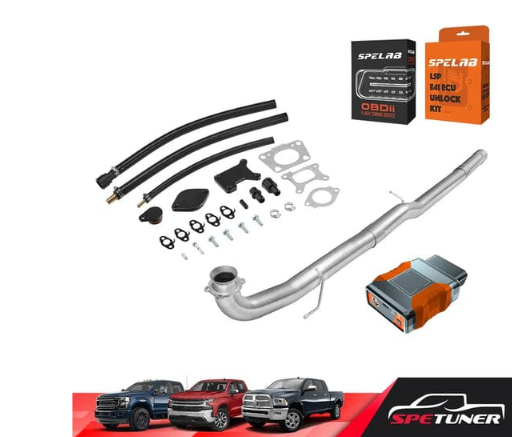
he L5P Duramax engine introduced in 2017 by GM is one of most powerful and reliable diesel engines in its class. Designed for heavy-duty use in Silverado and Sierra HD trucks the L5P is packed with emissions systems including the Exhaust Gas Recirculation (EGR) system. While these components serve to reduce emissions they can also contribute to carbon buildup performance loss and higher maintenance costs over time. For off-road or race-only use some truck owners opt to remove the EGR system using an L5P delete kit.
This guide provides detailed L5P EGR delete instructions for those using a complete L5P Duramax delete kit helping you understand the process and what’s involved.
Disclaimer: Deleting the EGR system is not legal for street use in the U.S. or Canada. These instructions are for informational purposes only and intended for vehicles used in off-road or racing environments. Always follow local laws and regulations.
Tools & Parts You’ll Need
Before beginning the EGR delete process make sure you have the following tools and components:
- Complete L5P delete kit or L5P Duramax delete kit
- Basic hand tools (socket set, wrenches, pliers)
- Screwdrivers (flathead and Phillips)
- Torque wrench
- Coolant drain pan
- Tuning device compatible with the L5P to disable the EGR in the ECM
- Safety equipment (gloves eye protection)
Step 1: Preparation
- Disconnect the battery to prevent any electrical issues during the delete process.
- Allow the engine to cool completely before working on it.
- Drain the coolant using the radiator drain plug as some EGR components are coolant-fed.
Step 2: Remove Engine Cover and Intake Components
- Take off the engine cover to gain access to the EGR system.
- Remove the air intake tube and any components connected to the intake manifold.
- Unplug sensors and wiring harnesses attached to the EGR valve and EGR cooler.
Step 3: Remove the EGR System
- Unbolt the EGR valve and set it aside.
- Remove the EGR cooler from the engine. Be sure to disconnect any coolant lines attached to it and cap them off using block-off plates provided in your L5P Duramax delete kit.
- Disconnect the exhaust feed tube that connects the EGR cooler to the exhaust manifold.
Step 4: Install Block-Off Plates
- Use the block-off plates included in your L5P delete kit to seal the ports on the exhaust manifold and intake manifold where the EGR system was previously attached.
- Make sure all gaskets are properly seated to prevent exhaust or coolant leaks.
- Torque all bolts to manufacturer-recommended specs to ensure a tight seal.
Step 5: Reassemble and Tune
- Reinstall any intake components and reconnect wiring harnesses that were not permanently removed.
- Fill the cooling system with fresh coolant.
- Use your tuning device to disable the EGR system in the engine control module (ECM). This is a crucial step without proper tuning the truck will throw check engine lights or go into limp mode.
- Reconnect the battery and start the engine checking for leaks and proper operation.
Benefits of EGR Delete with an L5P Delete Kit
Using a full L5P Duramax delete kit to remove the EGR system can result in several performance and maintenance benefits:
- Reduced carbon buildup in the intake system
- Improved airflow and throttle response
- Lower engine temperatures
- Increased engine longevity in off-road applications
Final Thoughts
Removing the EGR system from your L5P Duramax engine using an L5P delete kit can offer real gains in performance and reliability but only when done correctly and legally. Always use a high-quality L5P Duramax delete kit follow precise installation steps and ensure proper tuning afterward. This upgrade is popular in race and off-road communities for a reason: it keeps the engine cleaner cooler and running at peak efficiency.
If you’re not experienced with diesel engine work consider having the delete performed by a professional diesel technician.