Landscaping for Sloped Blocks Using Sleepers: A Practical Guide for South Australia
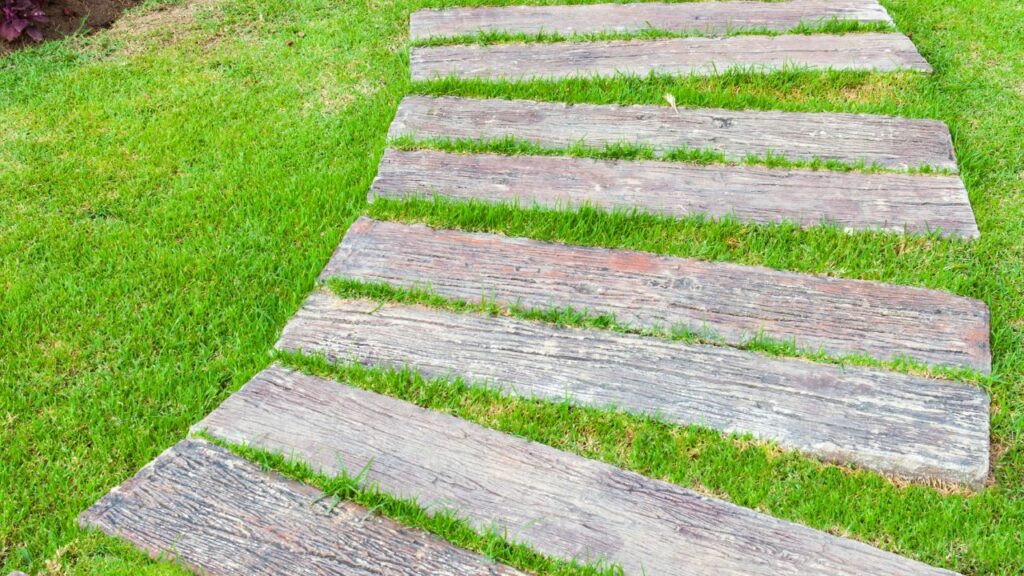
In South Australia, perfectly flat blocks can be hard to come by. Many homes are built on gradients — especially in hilly suburbs and areas like the Adelaide Hills. While a sloped yard can feel challenging at first, it can actually become one of your property’s best features. With the right approach, you can create levels, garden zones, and more usable outdoor space than a flat yard ever could.
One of the most reliable ways to manage a slope is with retaining walls built using Concrete Sleepers in Adelaide. These sleepers provide strength, clean modern lines, and long-term durability — making them a popular choice for transforming sloped blocks into functional, attractive landscapes.
Why Choose Concrete Sleepers?
Retaining walls need to handle serious pressure — tonnes of soil, moisture, and seasonal ground movement. Timber is sometimes used, but it can rot, warp, and attract termites, especially over time.
Concrete sleepers offer a stronger, longer-lasting solution.
Durability and longevity
Concrete sleepers are engineered for harsh outdoor conditions. They don’t rot, they aren’t affected by termites, and they hold their shape for years with minimal upkeep. Once installed correctly, they can provide a long-term retaining solution that’s hard to beat.
Modern style options
Concrete no longer means plain grey slabs. Many sleepers come in a wide range of finishes, including designs that mimic timber, sandstone, slate, and other natural textures. This makes it easier to match your retaining walls to your home’s style and your garden design.
Streamlined installation
Concrete sleepers are uniform in size and shape, which helps make building a straight, consistent wall easier than working with irregular stone or logs. While they are heavy, the installation method is straightforward when done properly.
Planning Your Sloped Block Makeover
Before you start building, planning is everything. A retaining wall isn’t just a structural feature — it shapes how you use the space.
Key things to consider:
Wall height and approvals
If your retaining wall is over one metre high (or near boundaries), you may need engineering guidance and council approval. It’s better to check early than to redo work later.
Drainage is critical
Poor drainage is one of the main causes of retaining wall failure. If water builds up behind the wall, it creates pressure that can cause leaning, cracking, or collapse. Your design must include a proper drainage system from the start.
Site access
Moving materials into a sloped backyard can be tricky. If access is tight, steep, or uneven, it may help to talk to experienced suppliers and installers like Retaining Wall Industries, especially if your property is in harder-to-reach areas around South Australia.
Building a Retaining Wall Using Concrete Sleepers
Below is a simplified overview of how sleeper retaining walls are commonly built. For larger walls, always consider professional advice or engineering.
1) Prepare the site
Clear vegetation, mark the line of the wall using stakes and string, and confirm levels. A clean, straight set-out makes the whole job easier.
2) Install steel posts
Steel posts provide the wall’s strength. Holes are dug at intervals matching sleeper lengths, then posts are set in concrete. As a general rule, posts must be deep enough to handle the wall height and soil load.
3) Place the sleepers
Once posts are set, sleepers are slid into the channels between posts. The first sleeper must be perfectly level — it sets the standard for every row above it.
4) Backfill and add drainage
This step is essential:
- install an ag pipe at the base behind the wall
- use free-draining gravel or blue metal behind the wall (not plain soil)
- ensure water can flow away from the structure
This reduces hydrostatic pressure and helps your wall stay stable long-term.
Design Ideas for Sloped Blocks
A retaining wall doesn’t have to feel like a barrier — it can become a feature that adds structure and style.
Tiered garden beds
Instead of one tall wall, build multiple smaller walls to create terrace levels. This adds visual interest and creates planting zones that are easier to maintain.
Built-in seating
A retaining wall can be designed at a height that doubles as seating. Add outdoor cushions and you have a natural entertaining area.
Integrated steps
Stairs can be built into the retaining layout so you can move comfortably between levels without awkward paths.
Maintaining Your Retaining Wall
Concrete sleepers are low maintenance. Usually, a quick hose-down is enough to keep them looking clean. The most important thing to check occasionally is drainage — make sure water is flowing freely and the ag pipe isn’t blocked.
Conclusion
Landscaping a sloped block can transform an awkward incline into a functional outdoor space that adds value and lifestyle benefits. With strong retaining wall design, smart drainage, and quality materials, you can create a garden that looks great and stands up to South Australia’s conditions.
If you’re ready to start, choosing reliable Concrete Sleepers in Adelaide and working with experienced suppliers like Retaining Wall Industries can make the entire process easier — and help ensure the finished result lasts for years.