How to Plan the Perfect Outdoor Makeover Using Concrete Sleepers
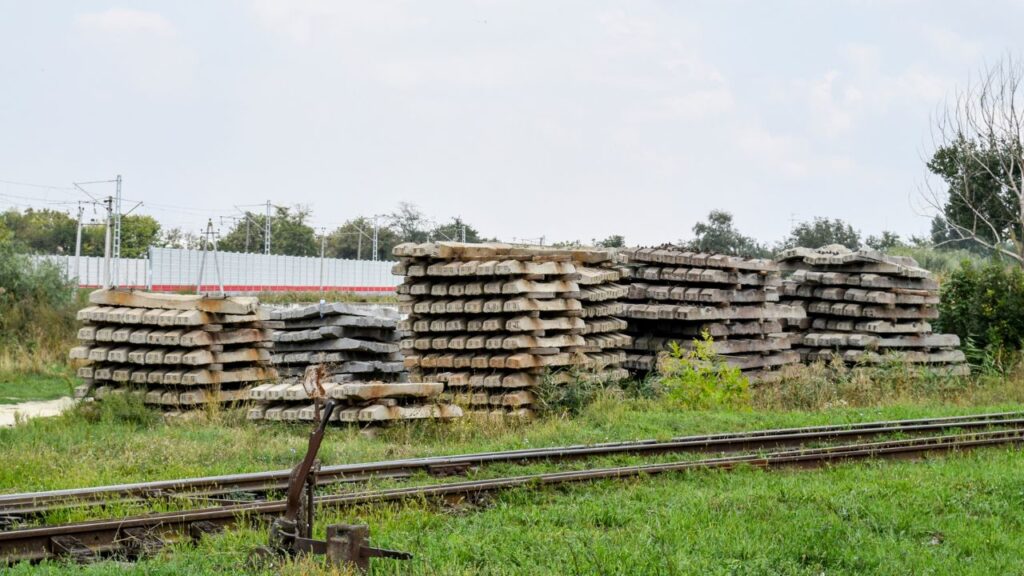
If you’ve been looking at your backyard thinking, “Where do I even start?”—you’re not alone. Many Adelaide homeowners deal with sloped blocks, uneven ground, or outdoor spaces that feel plain and underused. The good news is that the right structure can completely transform how your yard looks and functions.
One of the most effective materials for modern outdoor makeovers is Concrete Sleepers in Adelaide. They’re strong, low-maintenance, and surprisingly stylish. Whether you’re building a retaining wall on a sloping yard, creating raised garden beds, or defining clean landscape lines, concrete sleepers give you a durable foundation for a long-lasting outdoor upgrade.
Why Choose Concrete Sleepers?
Before you dive into planning, it helps to understand why concrete sleepers have become the go-to option for both DIY projects and professional landscaping.
Built to last
Timber sleepers can look great at first, but over time they’re prone to termite damage, rot, and warping—especially in outdoor conditions. Concrete sleepers don’t have those issues. They’re built to handle heavy loads, weather changes, and years of exposure without breaking down.
Versatile design options
Concrete sleepers aren’t limited to “plain grey” anymore. Today you can choose finishes that mimic:
- timber grain
- stacked stone
- slate or sandstone textures
- smooth modern styles
This means your retaining wall or garden feature can match your home’s aesthetic instead of looking purely structural.
Cost-effective long term
While concrete sleepers can cost more upfront than treated pine, they usually win on total value. Minimal maintenance and fewer replacements over time make them a strong long-term investment.
Step 1: Plan Your Outdoor Makeover Properly
Great results start with a clear plan. Before you buy materials or dig holes, take time to design the project around how you actually want to use your space.
Assess what you need
Ask yourself:
- Are you trying to level a sloped yard for more usable space?
- Do you want a retaining wall to stop erosion or manage runoff?
- Are raised garden beds or planter boxes the main goal?
- Are you creating terraces, steps, or zones for entertaining?
Your goal will determine wall height, sleeper type, post spacing, and whether engineering advice is needed.
Measure twice
Accurate measurements save money and prevent delays. Measure:
- total length (linear metres)
- desired height of each wall section
- number of tiers (if terracing)
- access points for machinery or materials
If your wall is higher or supporting heavier loads, a professional assessment is smart—especially for safety and compliance.
Step 2: Understand the Installation Basics
Many homeowners can handle smaller sleeper projects, but it’s important to get the fundamentals right.
Site prep
Clear vegetation, mark the wall line using string and stakes, and plan where posts will go.
Posts and foundation (the critical part)
The strength of a sleeper wall relies heavily on the steel posts and how well they’re set into the ground. Posts need to be:
- spaced correctly (often to match sleeper lengths like 2m)
- installed straight and level
- concreted deep enough for stability
If the foundation is off, the entire wall can shift over time.
Drainage is non-negotiable
Water pressure is one of the biggest causes of retaining wall failure. Behind the wall you’ll typically need:
- an ag pipe (drain) at the base
- free-draining gravel or blue metal behind the wall
- a clear water exit point
Good drainage protects your investment and keeps the wall stable for years.
Step 3: Get the Right Materials and Advice
Quality matters, especially when your wall is holding back soil. For product selection and system compatibility, working with a trusted supplier makes the process much easier.
That’s why many homeowners consult Retaining Wall Industries. They help reduce the guesswork by guiding you on:
- the right sleeper type and finish
- correct post systems
- practical installation considerations
- suitability for different loads and block conditions
Using reliable materials from Retaining Wall Industries alongside Concrete Sleepers in Adelaide ensures your project is built for South Australia’s conditions—from hot summers to wet winters.
Design Inspiration: Make Sleepers a Feature
Concrete sleepers can be functional and eye-catching. Here are a few popular design directions:
Modern minimalist
Use smooth sleepers in darker tones for sharp lines that look great against greenery, lawn, or contemporary paving.
Rustic retreat
Timber-look sleepers deliver warm texture without the problems of real wood. You get the look—without rot or termites.
Tiered gardens on steep blocks
Terracing with sleeper systems can convert a steep slope into multiple usable levels—perfect for:
- vegetables on the top tier
- shrubs in the middle
- cascading plants at the base
This style adds depth, structure, and strong visual impact.
Maintenance and Care
One of the biggest advantages of Concrete Sleepers in Adelaide is how little maintenance they need. No sealing, painting, or oiling required.
To keep everything performing well:
- rinse sleepers occasionally to remove dust and grime
- check drainage annually to ensure water flows freely
- inspect for soil movement after heavy rain
With good installation and drainage, concrete sleeper walls stay solid for the long run.
Conclusion
An outdoor makeover doesn’t have to be overwhelming. With the right plan and strong structural materials, you can turn a sloped block or bland backyard into a functional, modern outdoor space that adds real value to your home.
For best results, source quality materials and guidance from Retaining Wall Industries, and build your project around durable Concrete Sleepers in Adelaide—so your backyard upgrade looks great and lasts for years.