LED Lamp Cover Making Machine: A Complete Guide for Manufacturers
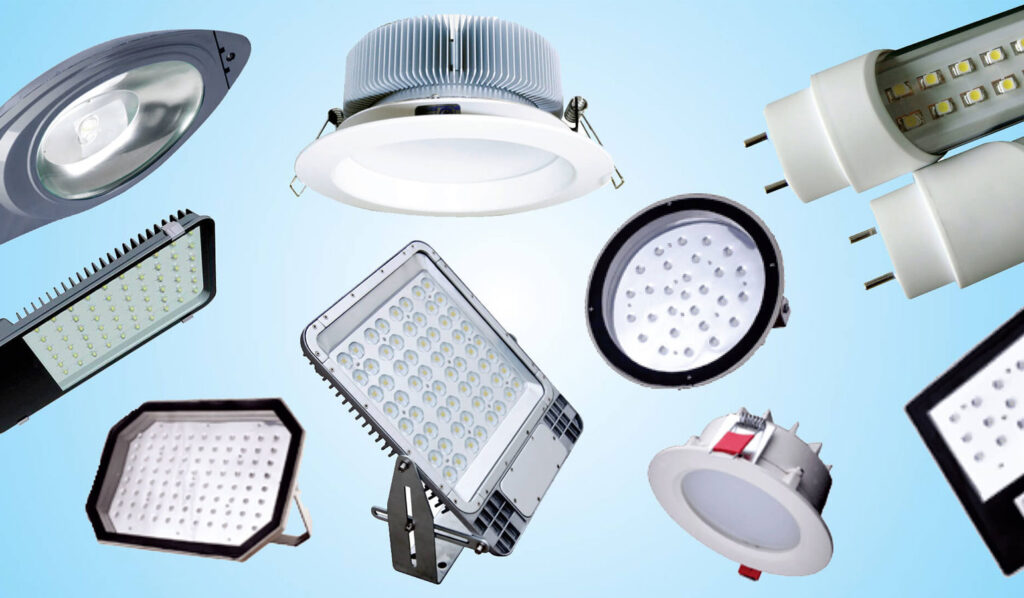
The demand for LED lighting continues to rise as more people and industries shift toward energy-efficient and eco-friendly solutions. One essential component of LED lights is the LED lamp cover, which not only protects the lamp but also enhances its aesthetic appeal and improves light diffusion. Behind the production of these covers lies a specialized piece of equipment: the LED lamp cover making machine.
In this comprehensive guide, we’ll explore everything you need to know about this machine, including how it works, its benefits, applications, and tips for choosing the right model for your business.
Table of Contents
- Introduction to LED Lamp Cover Making Machine
- How the Machine Works
- Key Features and Specifications
- Benefits of Using an LED Lamp Cover Making Machine
- Applications in the Lighting Industry
- Materials Used for Lamp Cover Production
- Choosing the Right Machine for Your Factory
- Maintenance and Operational Tips
- Future Trends in LED Lamp Cover Manufacturing
- Final Thoughts
1. Introduction to LED Lamp Cover Making Machine
The LED lamp cover making machine is a highly efficient piece of equipment designed to produce plastic or polycarbonate covers for LED lamps. These covers serve as protective casings that safeguard the delicate LED chips while ensuring uniform light distribution.
Traditionally, lamp covers were made through manual molding and casting, but modern machines have automated the entire process, delivering speed, precision, and consistency. For any lighting manufacturer, investing in a reliable LED lamp cover making machine is essential to meet the growing demand in residential, commercial, and industrial sectors.
2. How the Machine Works
The working principle of an LED lamp cover making machine depends on its type—commonly injection molding machines or blow molding machines.
- Injection Molding Process: Plastic granules (such as polycarbonate or PMMA) are melted and injected into a mold that shapes the lamp cover. Once cooled, the solid cover is ejected.
- Blow Molding Process: In this method, a heated plastic tube (parison) is inflated inside a mold cavity to take the shape of the lamp cover.
Both methods produce high-quality covers with excellent transparency, durability, and resistance to heat.
3. Key Features and Specifications
Modern LED lamp cover making machines come with advanced features to improve efficiency and output. Some common specifications include:
- Automatic operation with programmable logic controllers (PLC).
- High clamping force to ensure accurate molding.
- Energy-efficient heating systems for melting plastics.
- Servo motors for precision and low energy consumption.
- Multiple cavity molds to produce several lamp covers at once.
- Cooling systems for faster cycle times.
These features not only enhance productivity but also ensure the final product meets international quality standards.
4. Benefits of Using an LED Lamp Cover Making Machine
Investing in this machine offers several benefits to manufacturers:
- High Production Capacity: Capable of producing thousands of covers daily.
- Cost-Effective: Reduces reliance on manual labor while minimizing material waste.
- Consistency: Ensures uniform shape, size, and clarity in every cover.
- Customization: Enables the creation of covers in different shapes, designs, and sizes.
- Durability: Produces strong covers that enhance the lifespan of LED lights.
5. Applications in the Lighting Industry
The covers produced by these machines are widely used in various LED products such as:
- LED tube lights
- LED street lights
- LED panel lights
- Decorative LED lamps
- Automotive LED lights
- Industrial floodlights
As the adoption of LED lighting expands globally, the role of LED lamp cover making machines becomes even more significant.
6. Materials Used for Lamp Cover Production
To ensure durability and light efficiency, manufacturers commonly use the following materials:
- Polycarbonate (PC): Known for impact resistance and clarity.
- Polymethyl Methacrylate (PMMA): Offers high transparency and excellent light diffusion.
- Acrylic: Affordable option with good optical properties.
Each material provides different benefits depending on the application and cost requirements.
7. Choosing the Right Machine for Your Factory
When selecting an LED lamp cover making machine, consider the following factors:
- Production Volume: High-capacity machines are suitable for large-scale factories, while smaller units fit medium-sized businesses.
- Mold Compatibility: Ensure the machine supports multiple molds for different cover designs.
- Energy Efficiency: Choose models with servo-driven systems to save electricity.
- Automation Level: Fully automatic machines reduce labor costs and human error.
- After-Sales Support: Reliable manufacturers provide training, spare parts, and maintenance support.
8. Maintenance and Operational Tips
To ensure long-term performance of your machine:
- Regularly clean molds to prevent defects in covers.
- Lubricate moving parts to avoid mechanical wear.
- Monitor temperature settings to maintain product quality.
- Replace worn-out parts promptly.
- Train operators to handle both normal and emergency situations.
Proper maintenance extends the lifespan of the LED lamp cover making machine and ensures uninterrupted production.
9. Future Trends in LED Lamp Cover Manufacturing
The future of this industry is shaped by technological advancements and sustainability trends:
- Smart automation: AI-powered controls for greater precision.
- Eco-friendly materials: Use of biodegradable plastics in lamp covers.
- Energy-efficient machines: More models with low power consumption.
- 3D-printed molds: Faster prototyping and customization.
As LED adoption grows, the demand for high-quality covers will also rise, making innovation in lamp cover making machines crucial.
10. Final Thoughts
The LED lamp cover making machine is a game-changer for lighting manufacturers looking to produce durable, high-quality, and aesthetically pleasing covers. With the right machine, businesses can scale production, reduce costs, and meet the increasing global demand for LED lighting solutions.
Whether you are a small manufacturer planning to expand or a large-scale factory aiming for higher efficiency, investing in a reliable machine is a smart decision for long-term success.