Maximizing Cash Flow: How Revenue Cycle Management Boosts Financial Health in Healthcare
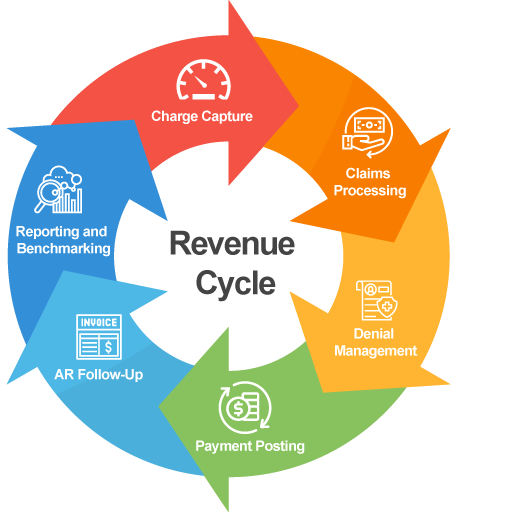
Managing your revenue cycle is vital for any healthcare professional to maintain a consistent cash flow. The management of the revenue cycle (RCM) refers to the process of managing claims settlement, payment, and revenue creation. It includes everything from making appointments to collecting payment from patients.
Effective management of the revenue cycle will significantly affect the financial health of a healthcare company. Boosting cash flow, reducing accounts receivable, and increasing profits can all be achieved by optimizing health organizations’ revenue cycles. Cash flow can be increased by a variety of methods by providers, such as managing revenue cycles.
An effective way for healthcare organizations to increase efficiency and profitability is through revenue cycle management outsourcing. Partnering with third-party providers allows medical practices to simplify complex billing and coding processes, reduce claim denials, and ensure faster reimbursements.
Identifying Revenue Cycle Management Challenges
Before you make any changes to your process of managing revenue cycles, it is essential to determine the causes and the issues that are affecting cash flow.
Common issues healthcare professionals must confront
- High denial rates
- The time to pay for your loan is very slow.
- Inefficient billing procedures
- Staff not properly trained
If you’re aware of these problems by gaining an understanding of the issues, you can develop specific strategies to address them and improve your overall control over the revenue cycle. In light of this information, here are a few ways RCM can increase revenues:
Verify Insurance Coverage
The most crucial step in the process of earning income is confirming the patient’s insurance coverage and eligibility. A thorough confirmation of insurance details before submission is crucial in avoiding claim rejections and ensuring that healthcare providers are reimbursed promptly for their services.
Efficient Patient Registration
If you’re a healthcare professional, you’ll need precise information about health insurance and demographics for the patient registration process. Automated eligibility verification software and electronic registration systems make the billing process more efficient, reduce errors, and improve accuracy.
Optimize Coding and Billing
Medical Coding is an essential aspect to the process of generating revenue because it transforms the diagnosis of procedures, treatments and more into common codes that are used for all medical processes. The accuracy and efficiency are vital for this procedure, since it guarantees that the best medical treatment is given to patients quickly. The management of revenue cycle can help in these processes.
By educating staff members on the codes guidelines, and checking claims for errors, healthcare providers are able to ensure the services they provide are appropriately paid and in accordance with insurance regulations.
Reduce Claim Denials
Denied claims can cause a significant negative impact on cash flow. By identifying the common denial reasons and implementing prevention strategies through performing regular audits health institutions can reduce the number of claims denied and improve revenue collection.
Implement Electronic Health Records
Making the switch to an Electronic Health Record (EHR) system can also improve the process of billing and increase efficiency. EHR systems allow providers to access patient records quickly, monitor the state of their billing and submit claims electronically for faster reimbursement.
Offer Patient Payment Options
Giving patients a range choices of options for payment, like payment sites online, as well as payment programs, could help boost the amount of collections. Flexible payment options can to reduce the amount of outstanding balances as well in enhancing the flow of cash for health professionals.