Mistakes to Avoid When Installing Modular Fencing
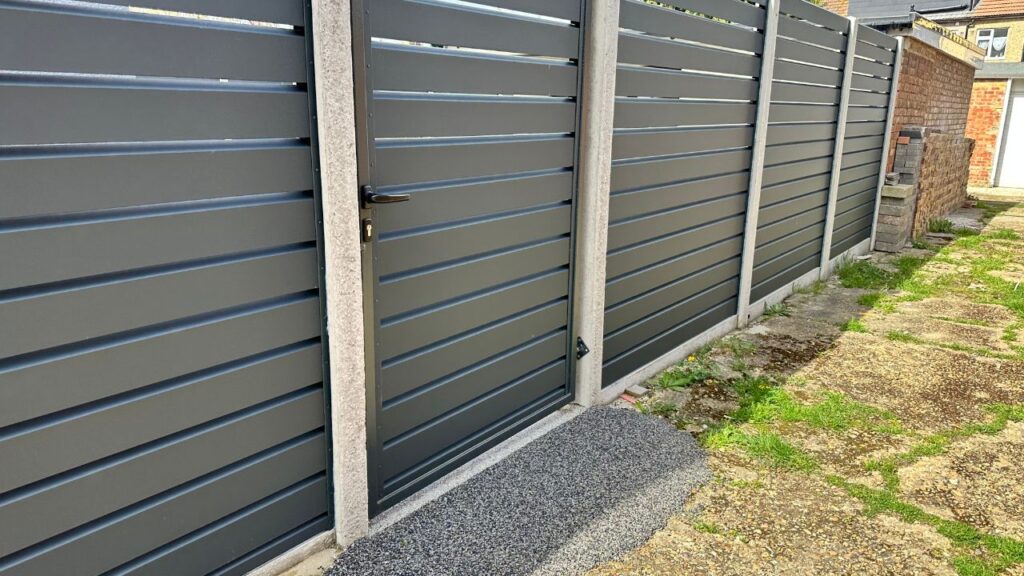
Installing a new fence can transform your property’s look, privacy, and security. Modular fencing, in particular, offers a stylish and versatile solution that many homeowners choose for its modern appeal and straightforward assembly. However, a successful installation goes beyond just putting pieces together. Even small errors can lead to a fence that is unstable, unattractive, or non-compliant with local rules.
Mistake 1: Poor Site Preparation
One of the most frequent errors in any DIY project is rushing through the preparation phase. Before you even think about setting posts, it’s essential to prepare the site properly. An unprepared ground can lead to an uneven fence, instability, and drainage problems down the line.
What to do instead:
- Clear the Area: Remove any rocks, tree roots, weeds, and other debris along the planned fence line. This ensures you have a clean and unobstructed workspace.
- Level the Ground: The ground beneath your fence needs to be as level as possible. Use a shovel and rake to smooth out high spots and fill in low areas. For significant slopes, you might need to consider a terraced or stepped design, which is a key advantage of a flexible system like modular fencing.
- Mark Utilities: Before you dig, contact your local utility companies to mark any underground lines for gas, water, or electricity. Accidentally hitting one of these can be dangerous and costly.
.Mistake 2: Ignoring Local Regulations
Many people assume they can build a fence without checking local rules, but this can be a costly mistake. Most cities and local councils have specific regulations regarding fence height, placement, and materials. Building a fence that violates these codes could result in fines or even an order to tear it down.
What to do instead:
- Check with Your Council: Before you start, contact your local planning or building department to understand the specific requirements for your area. Ask about height restrictions, property line setbacks, and whether you need a permit.
- Obtain Necessary Permits: If a permit is required, make sure you apply for and receive it before beginning construction. The permit process often involves submitting a plan of your fence project for approval.
- Consult Your HOA: If you live in a community with a Homeowners’ Association (HOA), check their guidelines as well. They may have additional rules about fence styles and colors. Style Fencing often comes in various designs that can meet these requirements.
Mistake 3: Incorrect Post Installation
The posts are the backbone of your fence. If they are not installed correctly, the entire structure will be weak and prone to leaning or falling over, especially in high winds or with ground movement. Common errors include not digging deep enough holes or using an improper concrete mix.
What to do instead:
- Dig Deep Holes: A general rule is that one-third of your post’s length should be buried in the ground. For example, a 6-foot-high fence should have posts set at least 2 feet deep.
- Use Quality Concrete: Secure each post with high-quality concrete. Follow the manufacturer’s instructions for mixing to ensure the right consistency. Pour the concrete around the post, ensuring it is perfectly plumb (vertical) using a level.
- Allow for Curing Time: Give the concrete enough time to cure and harden before you attach the panels of your modular fencing. Rushing this step can cause the posts to shift, compromising the fence’s integrity.
Mistake 4: Using the Wrong Tools and Materials
Using inadequate tools or low-quality materials is another path to a disappointing result. Modular fencing systems are designed to be installed with specific components. Trying to cut corners with the wrong hardware or improvising with tools can damage the materials and lead to a weak structure.
What to do instead:
- Gather the Right Tools: Make sure you have all the necessary tools before you start, such as a post-hole digger, level, measuring tape, drill, and rubber mallet.
- Use Recommended Materials: Always use the screws, brackets, and other hardware that come with your modular fencing kit or are recommended by the manufacturer. These components are designed to work together to provide maximum strength and durability.
- Choose the Right Style: When selecting your materials, consider the aesthetic. Style Fencing offers options that can complement your home’s architecture while providing the functionality you need.
Mistake 5: Neglecting Ongoing Maintenance
Thinking that your fence is a “set it and forget it” project is a final mistake to avoid. While modular systems are often low-maintenance, they still require some care to stay in top condition. Neglecting maintenance can lead to rust, discoloration, and a shorter lifespan for your fence.
What to do instead:
- Regular Cleaning: Wash your fence at least once a year with a mild detergent and water to remove dirt, grime, and mildew.
- Inspect for Damage: Periodically check for any loose screws, damaged panels, or signs of wear. Make repairs promptly to prevent small issues from becoming bigger problems.
- Check Post Stability: After a few years, check that your posts are still firm in the ground. Ground movement or moisture can sometimes affect their stability over time.
Conclusion
Installing a modular fence can be a rewarding DIY project, but avoiding these common mistakes is key to achieving a professional and lasting result. From careful site preparation and adherence to regulations to correct post installation and ongoing maintenance, every step plays a vital role.