Mistakes to Avoid When Installing Modular Fencing
Installing a new fence can instantly improve privacy, security, and street appeal—especially when you choose Modular fencing for its modern look and low-maintenance design. Because many modular systems are made for easy assembly, it’s tempting to treat the project as a quick weekend job. But small mistakes during installation can lead to leaning posts, uneven panels, or a finish that looks “DIY” in the wrong way.
To help you get a strong, professional-looking result, here are the most common mistakes to avoid when installing your fence—plus what to do instead. Whether you’re using a contractor or installing Style Fencing yourself, these tips will protect your investment and help your fence last for years.
1) Poor Planning and Incorrect Measurements
One of the biggest DIY mistakes is starting without a detailed plan. If your fence line isn’t mapped properly, you can end up with:
- uneven post spacing
- awkward gaps at corners
- panels that don’t line up cleanly
- a fence that doesn’t sit correctly on your boundary
Before digging any holes, mark your fence line using stakes and a string line. Measure the full length carefully and calculate how many panels and posts you’ll need. Don’t forget to plan for gates, corners, and any changes in direction.
A little planning up front prevents expensive fixes later.
2) Skipping Ground Preparation
Fence stability starts at ground level. Many people rush the site prep and install posts into uneven, soft, or debris-filled soil. Over time, this can cause movement, sagging, or leaning—especially after rain or seasonal soil changes.
Before installation:
- clear rocks, roots, and debris
- level and compact the ground where possible
- assess drainage and soil softness
- plan for slopes (stepping panels if needed)
If you’re installing on a sloped yard, stepping the panels properly helps maintain a neat finish while keeping the fence structurally sound.
3) Installing Posts Incorrectly
Posts are the backbone of any fence. If they’re not set properly, even the best-looking panels won’t hold up.
Common post mistakes include:
- holes not deep enough
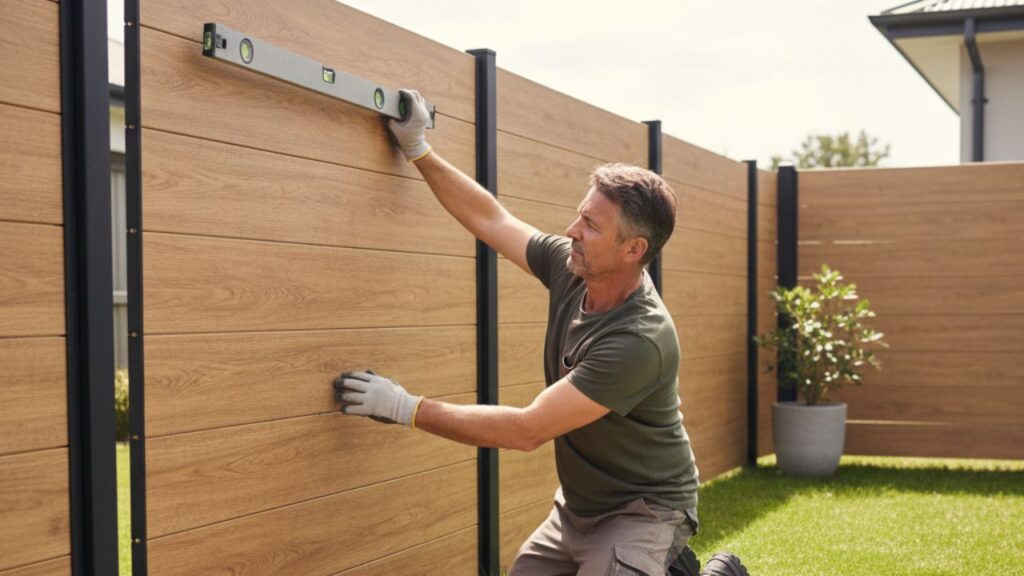
- posts not perfectly straight (out of plumb)
- incorrect spacing for the panel system
- using too little concrete or not allowing it to cure
A safe rule is to bury roughly one-third of the post length (or follow the system’s recommended depth). Always check the manufacturer’s panel spacing requirements and use a spirit level to ensure each post is perfectly vertical before pouring concrete.
If you’re installing Style Fencing, correct post alignment is especially important for clean, consistent panel lines.
4) Ignoring Manufacturer Instructions
Every modular system is slightly different. Relying on general advice—or using a tutorial for another product—can cause fit issues, weaker joins, or even void a warranty.
Before you start:
- read the manual from start to finish
- confirm post depth and spacing requirements
- follow the correct panel fixing method
- use recommended hardware and fasteners
If you’re working with Style Fencing, following the specific installation guidelines will help you achieve the proper fit, finish, and durability the system is designed for.
5) Overlooking Aesthetics and Property Style
A fence is a major visual feature, so it should complement your home—not clash with it. A common mistake is choosing a colour or design that doesn’t suit:
- the home’s exterior colour scheme
- landscaping and garden style
- surrounding neighbourhood look
Because Style Fencing comes in multiple designs and finishes, it’s worth considering the bigger picture before choosing. A fence that matches your home’s style can add value and make your property look more complete and polished.
Conclusion
Installing Modular fencing can be a smart, rewarding upgrade—but the final result depends heavily on how well it’s installed. The most common mistakes come down to rushing the process: poor planning, weak ground prep, incorrect post setting, skipping product instructions, and ignoring aesthetics.
With proper measurements, solid foundations, and careful installation, your Style Fencing can look professional, stay strong, and enhance your home for years to come.