Modern vs Classic Entertainment Units: Which Style Suits Your Home Best?
Your living room is often the heart of the home. It’s where family movie nights unfold, where guests gather, and where everyday life happens. At the centre of it all sits your entertainment unit, a piece that anchors the space both functionally and visually.
Choosing the right entertainment unit can feel overwhelming. Do you go for sleek, modern lines that echo today’s minimalist interiors, or lean toward timeless, classic designs that bring warmth and tradition? Each style has its own strengths, and the best choice depends on your lifestyle, space, and personal taste.
This guide explores both modern and classic entertainment units, showing you how to style them, what to consider before making a purchase, and how to determine which one is the right fit for your home.
Key Points: What You’ll Learn in This Guide
- What defines a modern entertainment unit versus a classic one
- How each style fits different home layouts
- Styling inspiration for both modern and traditional spaces
- Practical advice on storage, durability, and pricing in Australia
- Mistakes to avoid and FAQs from real homeowners
What Makes an Entertainment Unit Modern?
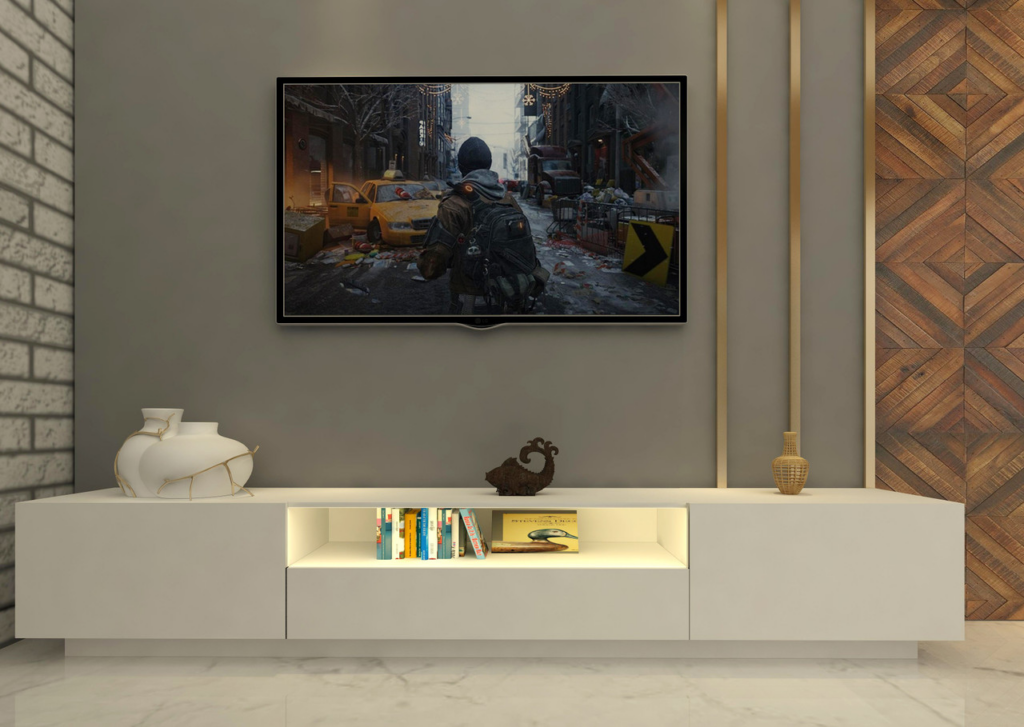
Modern entertainment units are built around simplicity. Their low, streamlined shapes and clean lines make them perfect for open-plan living. Neutral finishes such as black, white, and grey dominate, sometimes softened with touches of timber or glass. Many modern units also include hidden drawers and clever cable systems, keeping technology neatly out of sight.
This design philosophy is especially popular in apartments and smaller homes, where clutter-free living is a priority. The effect is understated but stylish, a piece that complements the space rather than competes with it.
Of course, there are downsides. Glossy finishes, while elegant, tend to show dust and fingerprints easily. And without the right styling touches, some modern units can feel cold or a little impersonal.
What Defines a Classic Entertainment Unit?
Classic entertainment units lean into warmth, craftsmanship, and a sense of presence. Solid timbers, such as oak, walnut, or mahogany, are commonly used and often finished to accentuate their natural grain patterns. Traditional details, such as panelled doors, carved edges, and sturdy proportions, give these units a character that feels timeless.
These pieces work beautifully in family homes, especially larger living rooms that can accommodate their scale. They pair well with other rich, layered décor, think leather sofas, textured rugs, and framed artwork.
The trade-off is that classic units are heavier, often more expensive, and may feel overwhelming in a compact apartment. But for those who value furniture that lasts decades and adds depth to a room, they are unmatched.
Styling Ideas for Modern Units
Modern entertainment units look their best when the rest of the room complements their style. In a minimalist setting, keep accessories simple: a ceramic vase, a stack of books, or one statement artwork above the unit. For coastal or Scandinavian spaces, lighter timbers paired with woven baskets, neutral rugs, and greenery soften the sleekness. In contemporary urban living rooms, dark gloss finishes combined with metallic accents, geometric rugs, and bold lighting can create a striking focal point.
The key with modern styling is restraint. Let the clean lines stand out, while adding just enough warmth through textures and accents to keep the room inviting.
Styling Ideas for Classic Units
Classic entertainment units thrive in spaces that highlight their natural richness. In a traditional living room, pair a timber unit with warm lighting and family photos to create a lived-in yet elegant atmosphere.
Transitional homes can strike a balance between old and new by combining a timber unit with contemporary sofas and neutral wall tones. Rustic or country settings benefit from reclaimed wood finishes, woven storage baskets, and pottery, which bring authenticity and charm.
Unlike modern units, classic ones don’t mind a bit of layering. Books, decorative bowls, and framed art all feel at home on their shelves. Just avoid overcrowding to prevent a cluttered look.
Practical Considerations Before Buying
While style sets the tone, practicality ensures that your unit works well in daily life. Modern pieces often excel at hidden storage, ideal for families who want a tidy look. Classic timber designs, by contrast, offer deeper shelving, perfect for displaying books, décor, or even larger media equipment.
Durability is another factor. Engineered wood is more affordable but won’t match the lifespan of solid timber. Technology should also influence your choice. Ventilation for consoles, space for soundbars, and discreet cable management all contribute to making your unit more enjoyable to use.
Finally, consider the room’s scale. A slimline modern unit fits an apartment perfectly, while a larger timber piece becomes a natural anchor in a spacious home.
Pricing and Value in Australia
- In Australia, entertainment units typically range in price from $649 to $1,500. Entry-level models, usually made from engineered wood, are great for apartments or temporary setups.
- Mid-range designs, priced between $900 and $1,200, offer sturdier builds and more versatile finishes.
- Premium options, priced closer to $1,500, are often crafted from solid timber and become true centrepieces in family living rooms.
If you’re exploring options, Shopica’s entertainment unit collection features both modern and classic designs within this price range, offering flexibility without compromising on style.
Mistakes to Avoid
It’s easy to get caught up in looks alone. Some homeowners buy units that are too large for their space, only to find the room feels cramped. Others choose finishes that clash with existing furniture or overlook the need for cable management, leading to messy wires. Storage is another common oversight. Without enough compartments, clutter builds up quickly.
A simple way to avoid these mistakes is to measure carefully, think about your everyday storage needs, and ensure your unit complements the rest of your décor.
FAQs About Entertainment Units
What size entertainment unit should I buy?
Choose one at least 20 centimetres wider than your TV. This maintains proportion balance and prevents the unit from appearing too small.
Which style suits apartments best?
Modern units, thanks to their slim profiles and compact designs, are ideal for smaller spaces.
Are timber entertainment units outdated?
Not at all. Classic timber designs are timeless and adapt beautifully when styled with contemporary elements.
How do I keep my unit clutter-free?
Opt for models with drawers or concealed compartments and limit the items displayed on top.
What’s the price range in Australia?
Expect to pay between $649 and $1,500, depending on size, finish, and material.
Final Thoughts
Your entertainment unit is more than a stand for your television. It sets the tone for your living room, combining function with design. Modern units bring sleek simplicity and a sense of openness, while classic timber units offer warmth, tradition, and long-lasting character.
The best choice ultimately depends on your space, lifestyle, and personal preferences. By balancing style with practicality and considering both budget and durability, you’ll find an entertainment unit that transforms your living room into a stylish and welcoming space.
About the Author
This article was contributed by the team at Shopica, a family-owned Australian business helping families create homes that are both functional and beautiful. Visit Shopica to explore more inspiration for your living spaces.