When Humidity Hits: Why Mould Grows So Easily in Singapore Homes
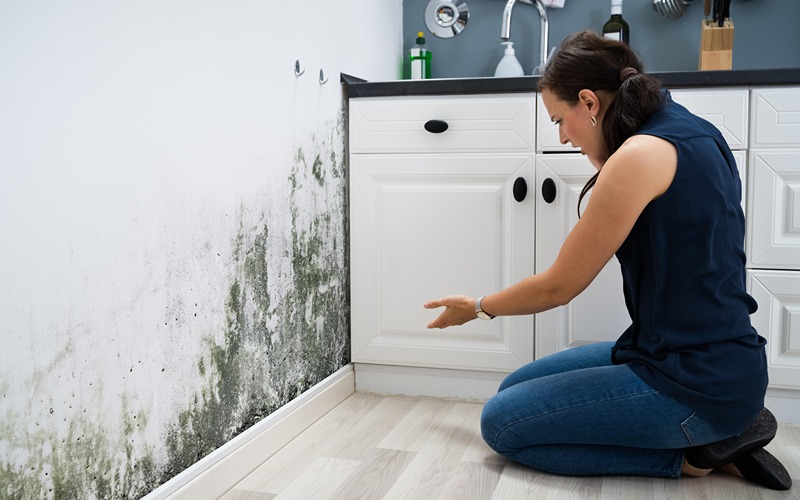
In Singapore, humidity is as familiar as the morning sun. It seeps into walls, floors, and fabrics, leaving behind a musty calling card: mould. While most homeowners may shrug it off as a simple stain, the problem runs deeper. Mould thrives in damp environments, and our tropical climate provides the perfect stage for its growth.
The constant mix of warmth and moisture turns ordinary corners into breeding grounds. Bathrooms, kitchens, and air-conditioning vents often play host to these uninvited guests. Regular cleaning helps, but understanding why mould appears so easily is the first step in keeping it at bay. Asking professional services like Mold Medic can bring clarity to an issue many overlook.
Why Singapore Is the Perfect Climate for Mould
Mould loves humidity. With the island’s average relative humidity hovering around 80%, every surface holds enough moisture to encourage growth. When indoor ventilation is poor, the trapped dampness becomes a buffet for spores waiting to spread.
Activities like showering, cooking, and drying clothes indoors increase moisture levels. Add in the tropical rains that come and go, and you get an environment where mould never truly disappears. Air-conditioned rooms can also be tricky; they cool the air but do not remove hidden dampness from walls or carpets.
The challenge is being able to control and keep up with cleanliness. Managing humidity levels becomes essential in preventing spores from multiplying. Dehumidifiers, open windows, and consistent airflow all play their part, yet many households still underestimate how fast mould can return.
The Cost of Ignoring Mould
Mould may seem harmless at first, but its effects go beyond appearances. Over time, it eats into walls, furniture, and even clothing. The spores spread invisibly through the air, clinging to new surfaces and restarting the cycle. Left untreated, it can lead to structural damage and unpleasant odours that linger despite cleaning.
Mold Medic highlights that the bigger concern lies in indoor air quality. Prolonged exposure to mould spores may irritate the skin, eyes, or respiratory system. This is why early detection and consistent maintenance are key. Addressing small patches before they spread keeps both the home and its occupants in better shape.
The good news is that mould growth can be controlled with the right methods. Using moisture-resistant paint, cleaning air filters, and maintaining steady airflow are simple yet effective steps that make a difference. Prevention always wins over constant repair.
How Mould Sneaks In
Mould spreads through microscopic spores that float freely in the air. They are light enough to travel between rooms, settling wherever conditions suit them best. A bit of condensation on a window or a leak under the sink can be enough for spores to take hold.
Humidity from daily routines builds up quietly. Long, hot showers or cooking without proper ventilation leave behind moisture that mould happily feeds on. Soft materials like curtains and cushions trap this dampness, creating pockets of ideal growth conditions.
Even well-kept homes are not immune. The combination of weather and indoor habits often sets the stage for uninvited mould patches. Recognising the early signs, such as small black dots on ceilings, green patches behind furniture, or a persistent smell, helps prevent bigger problems later.
Mould Control: Simple Steps That Work
Mould control does not require fancy solutions, just consistent care. Simple habits can make a big difference. Wipe wet surfaces, keep air flowing, and avoid drying clothes indoors. Use a dehumidifier to maintain healthy air levels, especially during rainy months.
Even small gaps in window frames or ceiling corners can introduce enough moisture to start a problem. Addressing these early saves time and effort later. Professional help may also be worth considering if mould keeps returning despite cleaning. Mold Medic advises regular inspections for leaks and ventilation problems.
Keeping a home mould-free means you need to think about consistency. Every small effort, from opening windows to checking for damp walls, contributes to a healthier living space. The reward is simple: cleaner air, stronger walls, and peace of mind.
Turning the Tide Against Mould
Singapore’s climate makes mould a common challenge, but it does not have to be a permanent one. Understanding how it grows and spreads helps homeowners stay one step ahead. The battle is not against dirt, it is against dampness.
With guidance from Mold Medic, tackling mould becomes less of a mystery. Their approach focuses on education, prevention, and safe cleaning practices that fit Singapore’s climate. Awareness leads to action, and with the right tools, even the most humid homes can stay clean and dry.
Humidity may never leave, but that does not mean mould has to stay. Visit Best Picks to find more tips and trusted services like Mold Medic that help keep your home fresh and free from mould.