Pest Control Safety: What You Need to Know Before and After Treatment
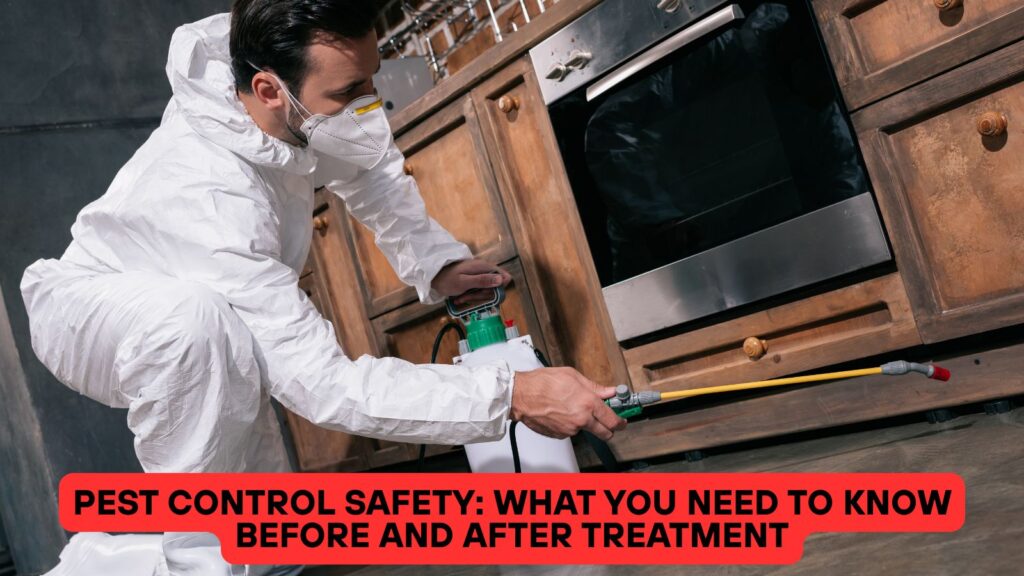
When dealing with an insect or rodent infestation, professional pest control is often the most effective solution. However, safety should always be a top priority before, during, and after treatment. Understanding how to prepare and what to expect post-treatment helps protect your family, pets, and property while maximizing the effectiveness of the pest control service. This guide outlines essential pest control safety tips and best practices that every homeowner should follow.
Why Pest Control Safety Matters
Pest control treatments are designed to eliminate or manage unwanted pests like ants, termites, rodents, and cockroaches. While licensed professionals use EPA-approved substances and methods, these treatments still involve chemicals or techniques that can pose risks if mishandled. Taking the right precautions before and after treatment helps prevent exposure, allergic reactions, contamination, and unnecessary disruption to your home.
Pre-Treatment Safety Tips
Before your pest control service arrives, it’s crucial to prepare your home to ensure both safety and treatment efficiency. Here’s how:
Communicate with Your Pest Control Provider
Let your technician know about:
- Children, elderly residents, or pregnant individuals in the home.
- Pets, including birds, reptiles, and aquarium fish.
- Allergies or sensitivities within the household.
The more your provider knows, the better they can tailor their approach and offer safety recommendations specific to your home.
Clean and Declutter
Vacuum carpets, sweep floors, and wipe down surfaces. This helps eliminate crumbs and debris that can attract pests. Remove clutter, especially in areas being treated, such as kitchen cabinets or basements. Access to baseboards, behind appliances, and storage areas allows for more thorough treatment.
Cover or Store Food and Utensils
Store all food items, including pet food, in airtight containers or remove them from the area. Cover or remove kitchenware, cutting boards, and dishes. It’s also a good idea to place a protective cover over food preparation surfaces.
Protect Pets and Plants
Relocate pets to another room or off the property if possible. Fish tanks should be covered, and their air pumps turned off. Houseplants should be moved outdoors or to a non-treated area to avoid chemical exposure.
Vacate When Necessary
Your pest control provider may advise temporarily vacating your home, especially for certain types of treatments like fumigation or interior sprays. Always follow their recommendations and return only when they say it is safe.
Post-Treatment Safety Guidelines
After your home has been treated for pests, following the right procedures ensures your family stays safe and the treatment remains effective.
Wait Before Re-Entering
If you were asked to vacate the premises, wait for the recommended time before re-entering. This allows any airborne particles to settle and chemical odors to dissipate.
Ventilate the Home
Open windows and doors for a few hours to allow fresh air to circulate. This is especially important if indoor sprays or foggers were used.
Clean Selectively
While it’s tempting to deep clean your home after treatment, avoid mopping or wiping treated surfaces for a few days unless instructed otherwise. Over-cleaning can reduce the effectiveness of residual chemicals meant to keep pests away.
However, you can safely clean non-treated areas like countertops, sinks, and bathrooms. Be sure to dispose of any pest remains you find, especially near baseboards or cabinets.
Monitor for Pest Activity
It’s normal to see increased pest activity immediately after treatment, as pests are driven from their hiding spots. Continue to monitor these areas and report any ongoing issues to your service provider. It may take a few days or weeks for the treatment to reach full effectiveness.
Keep Pets Away from Treated Zones
Ensure pets don’t lick or walk across treated areas until they are completely dry. If your pet accidentally comes into contact with a treated surface, consult your veterinarian.
Long-Term Pest Prevention Tips
Effective pest control doesn’t end with treatment. Maintaining a clean, pest-resistant environment helps reduce the likelihood of future infestations.
Seal Entry Points
Inspect your home for cracks, holes, or gaps around windows, doors, pipes, and utility lines. Seal them with caulk or weatherstripping to prevent pests from entering.
Manage Moisture
Fix leaky pipes, ensure proper drainage, and use dehumidifiers in damp areas like basements. Moisture is a major attractant for pests like termites, silverfish, and cockroaches.
Store Food Properly
Keep food, including pet food, in sealed containers. Clean up spills promptly and avoid leaving dirty dishes in the sink overnight.
Schedule Regular Inspections
Periodic inspections from a trusted pest control Clinton NJ provider help identify potential risks before they become serious infestations.
Choosing the Right Pest Control Partner
Working with an experienced and licensed provider ensures that treatments are applied safely and effectively. Look for professionals who offer detailed explanations of their processes, provide safety guidelines, and are transparent about the products they use.
Homeowners in and around Hunterdon County benefit from choosing local professionals who understand regional pest patterns. If you need reliable pest control Clinton services, be sure to choose a company with a strong reputation for safety and customer care.
About PermaKill Exterminating
PermaKill Exterminating is a trusted name in residential and commercial pest control across New Jersey. Our team is committed to using proven methods that prioritize your health, safety, and peace of mind. We specialize in eliminating common pests such as termites, ants, rodents, and more, with tailored plans designed to fit your unique situation. At PermaKill, we believe in proactive solutions, transparent communication, and long-term results.