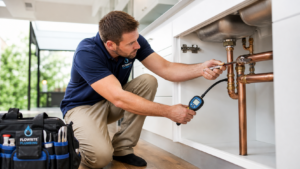
Professional Plumbing Services – Fast, Reliable & Licensed Plumbers

Owning a home is rewarding, but it also comes with the responsibility of keeping it in good shape. When life gets busy, it’s easy to put off small maintenance tasks. But ignoring them often leads to bigger, more expensive problems later. A dripping faucet or a slow drain might seem like a minor annoyance until it causes significant water damage or a system-wide failure. Shifting from fixing things only when they break to actively preventing issues is key to protecting your investment and avoiding the stress of emergency repairs.
The High Cost of Reactive Repairs
Waiting for something to break before you fix it almost always costs more. This reactive approach doesn’t just mean higher emergency service fees; it can also lead to more damage. For instance, a small, unnoticed roof leak can eventually soak insulation, damage drywall, and even weaken your home’s structure. Similarly, an old water heater that suddenly fails can flood a basement or garage, ruining flooring and personal belongings.
Proactive maintenance means regularly checking and servicing your property to catch these issues early. It’s about spending a little time and money now to save a lot later. When you fully understand property maintenance, you start seeing it not as an expense, but as a crucial investment in your home’s longevity and value. The goal is to manage your home’s health systematically, rather than lurching from one crisis to the next.
Your Seasonal Maintenance Checklist
Breaking tasks down by season is a great way to stay on top of home maintenance. This makes the work feel more manageable and ensures you’re addressing issues relevant to the upcoming weather.
Here’s a simple checklist to get you started:
After winter thaws, do a deep clean and inspection to avoid costly plumbing problems. Clear gutters and downspouts of leaves and debris to prevent water damage. Check your roof for any shingles that were lost or damaged during winter storms. Schedule an HVAC tune-up to make sure your air conditioning is ready for the summer heat.
- Summer: Focus on the outside. Inspect your deck or patio for any needed repairs or sealing. Check for cracks in your driveway or walkways. It’s also a good time to look for signs of pests and deal with any infestations before they become a major problem.
- Fall: Get your home ready for colder weather. Have your heating system inspected and serviced. Insulate pipes in unheated areas like basements or crawl spaces to keep them from freezing. Seal drafts around windows and doors with weatherstripping or caulk to improve energy efficiency. While you can handle simple tasks like checking for drips, leave more complex issues to professional plumbing services to ensure they are addressed correctly.
Don’t Forget Your Home’s Core Systems
It’s easy to focus on what you can see, but your home’s hidden systems need just as much attention. Your plumbing, electrical, and HVAC systems are the lifelines of your property, and keeping them in good working order is essential. Regular inspections can spot frayed wiring, minor pipe corrosion, or inefficient furnace operation before they lead to a fire, flood, or system breakdown.
Essential maintenance for these core components is non-negotiable. For example, have an electrician inspect your panel every few years, especially in an older home. Schedule annual HVAC service to extend its life and maintain efficiency. Periodically check your water pressure and look for any signs of leaks around fixtures and appliances. A small investment in professional check-ups can prevent catastrophic failures that disrupt your life and drain your savings.
Creating a Simple Maintenance Schedule
Feeling overwhelmed? You don’t have to do everything at once. The key is to create a simple, repeatable schedule. Use a digital calendar to set reminders for monthly, quarterly, and annual tasks. A basic spreadsheet can also work well, allowing you to track when a task was completed and when it’s due again.
Start by listing the most critical tasks, like cleaning gutters, changing HVAC filters, and testing smoke detectors. Assign each a frequency and add it to your calendar. Once you get into a rhythm, you can gradually add more detailed tasks. The goal isn’t to create a rigid, complicated system, but to build a consistent habit of caring for your home.
Preventative maintenance is one of the smartest things you can do as a homeowne