Preparing Your Electrical System for Extreme Weather
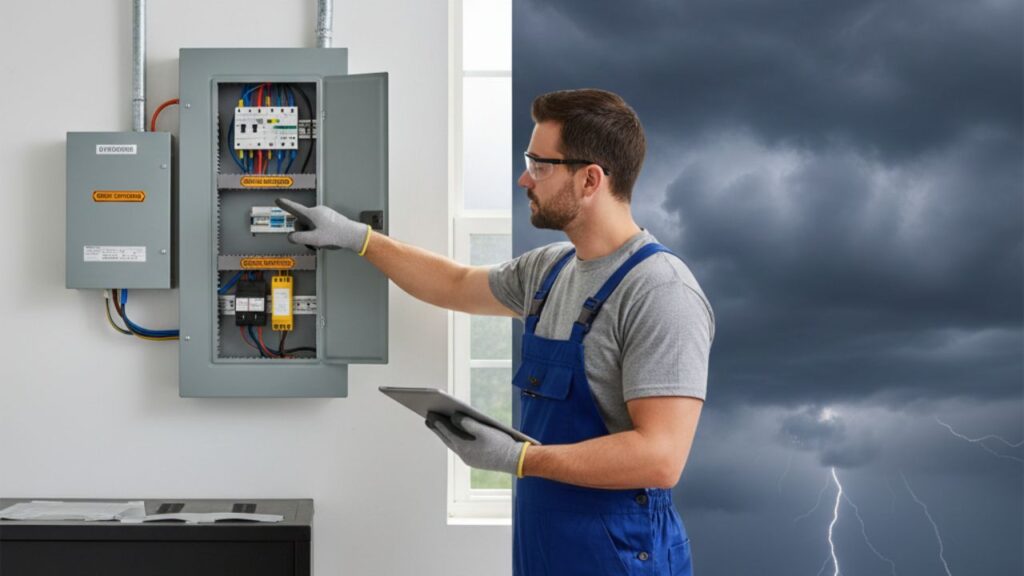
Extreme weather is becoming more frequent—heatwaves, intense storms, heavy rain, and strong winds can all put serious pressure on your home’s electrical system. A single event can trigger power surges, damage appliances, or create dangerous electrical faults. The best approach is preparation: a few smart upgrades and routine checks can reduce outages, protect expensive electronics, and keep your household safer.
For homeowners in South Australia, working with a trusted electrician in Adelaide Hills is often the quickest way to identify weak points before they become emergencies. With support from Cornell Electrical, you can strengthen your system against weather stress and stay confident when conditions turn unpredictable.
Common Weather-Related Electrical Hazards
Different weather events can affect your electrical system in different ways:
- Lightning and surges: lightning strikes (even nearby) can cause sudden voltage spikes that destroy sensitive electronics.
- Heavy rain and flooding: water intrusion can lead to short circuits, corrosion, and safety switch trips.
- High winds: falling branches or debris can damage external connections, service lines, or meter equipment.
- Heatwaves: continuous air conditioner use can overload older switchboards, circuits, or worn cabling.
Understanding what your home is exposed to helps you choose the right protection.
How to Prepare Your Home’s Electrical System
1) Install Proper Surge Protection
Plug-in surge boards help, but they don’t protect everything. For stronger coverage, consider a whole-home surge protector installed at the switchboard. It adds a key layer of defence against spikes caused by storms or unstable grid conditions.
2) Plan for Backup Power
If outages are common in your area, backup power can keep essential items running:
- Portable generators (good for limited, temporary power)
- Standby generators (automatic start, whole-home or partial-home coverage)
- Battery backup systems (quiet, useful for critical circuits and modern solar setups)
A qualified electrician can calculate the right capacity and ensure safe changeover switching.
3) Book a Professional Inspection Before Peak Season
A pre-season electrical inspection can prevent failures during extreme conditions. A licensed electrician in Adelaide Hills can check:
- switchboard condition and safety compliance
- overloaded or undersized circuits
- worn cables, loose terminations, or heat damage
- safety switches (RCDs) operation
- external components exposed to weather
This is where Cornell Electrical can help—spotting risks early is usually cheaper and safer than emergency repairs after a storm.
DIY Checks You Can Do Safely
You don’t need to be an expert to improve safety at home. These simple checks help:
- Inspect power cords for cracking, fraying, or loose plugs
- Keep the switchboard area clear so it’s accessible in emergencies
- Test safety switches (RCDs) every few months using the “TEST” button (it should trip immediately)
- Watch for warning signs like flickering lights, buzzing outlets, or warm switchboard covers
If anything seems unusual, stop and call a professional.
What to Do During Extreme Weather
Before and during storms:
- Unplug sensitive electronics (TVs, PCs, consoles) to reduce surge risk
- Avoid using corded appliances during lightning events
- Don’t touch wet electrical items or outlets if water intrusion is possible
If power goes out:
- Turn off major appliances (like AC units) to prevent damage when power returns
- Leave one light on so you know when supply is restored
- Avoid DIY electrical checks in the dark—use torches, not candles
After the Weather Passes: Safety First
Once conditions settle:
- Stay away from downed power lines and report them immediately to the utility provider
- If you notice burning smells, sparking, unusual buzzing, or repeated trips, stop using power and call an electrician
- Consider a post-event inspection if the storm was severe—hidden damage can worsen over time
For local support and post-storm repairs, Cornell Electrical can assess your system and confirm it’s safe before you return to normal use.
Conclusion
Preparing your electrical system for extreme weather is one of the most practical home safety steps you can take. With surge protection, backup planning, routine checks, and a professional inspection, you reduce the risk of outages, appliance damage, and dangerous faults.
If you want expert help strengthening your home’s protection, contact a qualified electrician in Adelaide Hills. Cornell Electrical can guide you through practical upgrades and inspections so your home is ready for whatever the weather brings.