How to Prevent Rust on Flat Mild Steel Using Proper Surface Treatment
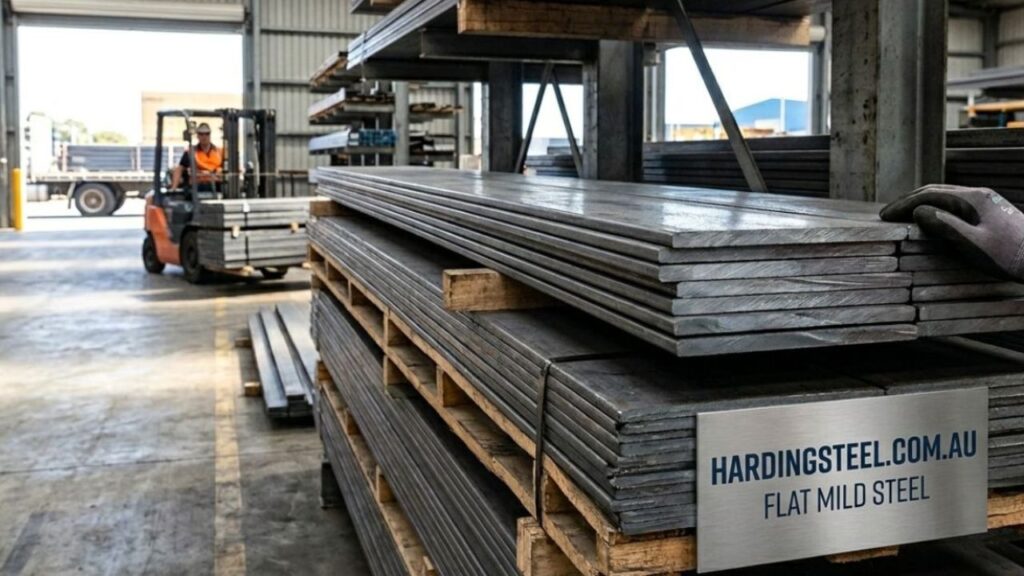
The most common material is flat mild steel that is utilized in construction, manufacturing, fabrication and home work. Its strengths, affordability and simplicity in welding are appreciated. But the biggest disadvantage of this material is that it rusts easily as it is exposed to the environment. Rust is not only unsightly, but it also impairs the strength of the steel in the long run. The fact is that rust can be prevented, which is good. With appropriate surface treatment techniques, it is possible to greatly increase the life of flat mild steel.
This article not only describes the reasons behind why flat mild steel rusts, but it also presents clear and practical steps towards what can be done to treat the surface to prevent rust before it begins. It concentrates on the practical methods that can be implemented by anyone using some simple tools and materials.
Why Flat Mild Steel Rusts Quickly
It is also important to know why rust occurs so as to choose the appropriate prevention technique. Mild steel is a mixture of carbon and iron. It lacks a sufficient amount of chromium to make it a passive protective layer, as other metals do, e.g., stainless steel. This exposes it to the environment.
Iron Reacts with Oxygen and Moisture
Rust develops as a result of iron and water in the presence of oxygen. This forms iron oxide, reddish-brown rust that we observe. This is accelerated by humid or rainy weather; also, salt exacerbates it. Once rust begins, it is transmitted due to the fact that the rust flakes retain moisture on the clean steel below.
Flat Surfaces Trap Water and Dirt
Flat steel is more difficult to protect as it is covered with water and dirt. Angled or rounded steel allows water to flow off. But a level surface contains puddles and allows more time to rust. Moisture is also trapped by dust and grime, thus flat steel rusts more quickly than vertical steel.
Key Surface Treatment Methods That Stop Rust
To avoid rust, it is necessary to make a barrier between the iron component of the steel and the oxygen and moisture in the air. This is done in a two-step process; firstly, the surface has to be prepared and then sealed. Failure to follow either of the stages will lead to failure to coat and ultimate rust.
Cleaning and Degreasing First
Cleaning is the most overlooked and the most important action. New flat steel is covered with oil or grease so as to avoid rust during shipping. Once the oil is painted over, the paint will not adhere to it and will peel off in a few weeks. With a degreaser, you need to clean the steel until there is no residue.
Applying Rust Inhibitors or Primers
Washed steel should be treated immediately. Unpainted steel may begin to rust in just a few hours. You will need to use a rust inhibitor or a rust-preventative primer. These products form a seal that prevents the access of moisture to the steel. Always avoid applying topcoat paint on bare metal since this will not work.
Step-by-Step Surface Preparation for Flat Mild Steel
Proper preparation is the foundation of effective anti-rust treatment for steel. Follow these steps for best results.
- Safety First: Wear gloves and safety glasses. Work in a well-ventilated area, especially when using solvents.
- Degrease: Use a lint-free rag soaked in acetone or a commercial degreaser. Scrub the entire flat surface to remove mill oil, grease, and fingerprints. Change rags frequently to avoid smearing oil around. Allow the solvent to evaporate completely.
- Abrasion (Mechanical Key): Paint and primer adhere better to a slightly rough surface. Use 120-grit sandpaper or a red scotch-brite pad to scuff the entire surface of the flat mild steel. You are not trying to remove metal; you are just dulling the shine and removing any remaining mill scale. This gives the primer “teeth” to grip.
- Final Wipe Down: After sanding, the surface will be covered in fine metal dust. Wipe it down with a clean cloth dampened with denatured alcohol or a tack cloth. Do not use water.
- Immediate Priming: Do not let the clean steel sit exposed to air for more than a few hours. Apply a coat of self-etching primer or epoxy primer as soon as the surface is dry. Follow the manufacturer’s instructions for dry time before applying a second coat or a topcoat.
Best Coatings for Long-Term Rust Prevention
The choice of final coating determines how long the protection lasts. Different environments require different levels of defense.
- Paint Systems (Industrial Enamel/Polyurethane): This is the most common method. A high-quality primer followed by two coats of an oil-based enamel or a two-part polyurethane paint creates a durable, flexible barrier. This is suitable for indoor use and mild outdoor exposure.
- Powder Coating Steel: Powder coating steel is an excellent option for a tough, uniform finish. This is a factory-applied process where dry powder is electrostatically applied and then cured under heat. The result is a hard shell that is more resistant to chipping and scratching than wet paint. It is ideal for flat mild steel used in furniture, panels, and automotive parts.
- Galvanizing Mild Steel: For extreme durability and outdoor exposure, galvanizing mild steel is the industry standard. This process involves dipping the steel into a vat of molten zinc. The zinc bonds metallurgically with the steel. More importantly, zinc provides sacrificial protection. If the coating is scratched, the surrounding zinc will corrode instead of the steel underneath. This is one of the best mild steel protection methods for structural applications.
Common Mistakes That Lead to Rust
Even with the best intentions, rust can appear if errors are made during application.
- Skipping the Primer: Painting latex house paint directly onto bare steel is a guaranteed way to see rust bleed through within months.
- Leaving the Back Unfinished: This is a critical error specific to flat mild steel. People often paint the top face but leave the underside raw. Moisture wicks up from the ground and attacks the steel from the back. Rust will creep around the edges and ruin the visible painted side. Both sides and all edges must be sealed.
- Trapped Moisture in Seams: If you are welding flat mild steel, ensure all weld joints are continuous or sealed with seam sealer. Water that seeps into a crevice between two flat plates will cause rust to swell from the inside out.
- Using Rust Converter on Clean Steel: Rust converters are designed for rusty metal. Applying them to clean, new steel often results in poor adhesion of the subsequent paint.
How to Inspect and Maintain Treated Steel
Surface treatment is not a permanent fix; it is a maintenance item. Regular inspection is necessary to catch problems early.
- Visual Check: Inspect the surface every few months. Look for signs of bubbling paint, blistering, or orange staining. These are signs that moisture has penetrated the coating.
- Edge Inspection: Pay special attention to the cut edges and corners. Coatings tend to be thinnest on sharp edges. These are the first places to fail.
- Touch-Up: If you find a scratch that goes down to bare metal, do not ignore it. Sand the scratch lightly, clean the area with solvent, and apply matching touch-up paint immediately.
- Cleaning: Keep the surface free of standing dirt and debris. Dirt holds moisture. Washing the steel with mild soap and water and then drying it will prolong the life of the paint job.
Conclusion
Rust prevention of flat mild steel is a laborious process, yet not complex. The trick is to realize that the flat geometry is unfavorable as it traps water and debris. Effective rust prevention is solely dependent on surface preparation and the formation of a continuous barrier. You can prevent the interaction of iron and oxygen by cleaning the mill scale and oils, coating the steel with a proper primer and covering it with the paint, powdered coating, or galvanizing. Some of the most common errors to avoid are not using a primer or omitting the back of the sheet. A carefully coated section of flat mild steel will offer decades of dependable service with frequent inspection and timely touch-ups, without the ravaging action of rust.
Author Bio
Hello, I’m Richard, a steel supplier at Harding Steel Supplies located in Brisbane. With a passion for providing top-notch products and exceptional service, I’m committed to meeting all your steel needs with efficiency and expertise. If you’re a seasoned contractor or a DIY enthusiast, I’m here to help you find the perfect steel solutions for your project. To get quality steel products and exceptional service, contact me!