A Step-by-Step Guide to What Happens During a Property Inspection
Buying or selling a house brings a lot of excitement, but it also comes with a healthy dose of anxiety. You want to be absolutely sure about the true condition of the home. That is exactly where a property inspection comes in. A professional inspection gives you an objective, comprehensive look at a property, helping you make informed decisions and bringing you some much-needed peace of mind.
If you have never been through the process before, it can feel a little mysterious. Let’s walk through exactly what happens during a property inspection, from scheduling the appointment to reviewing the final report.
What to Expect Before the Inspection Day
The process begins the moment you have an accepted offer on a home. You will need to hire a licensed home inspector and schedule a time for them to visit the property. If you are the buyer, it is highly recommended that you attend the inspection. Being there allows you to see issues firsthand and ask the inspector questions as they work.
If you are the seller, your main job is to prepare the property. Ensure the inspector has clear access to the attic, basement, electrical panels, and HVAC systems. A clean, accessible house makes the process much smoother and faster.
A Walkthrough of the Inspection Process
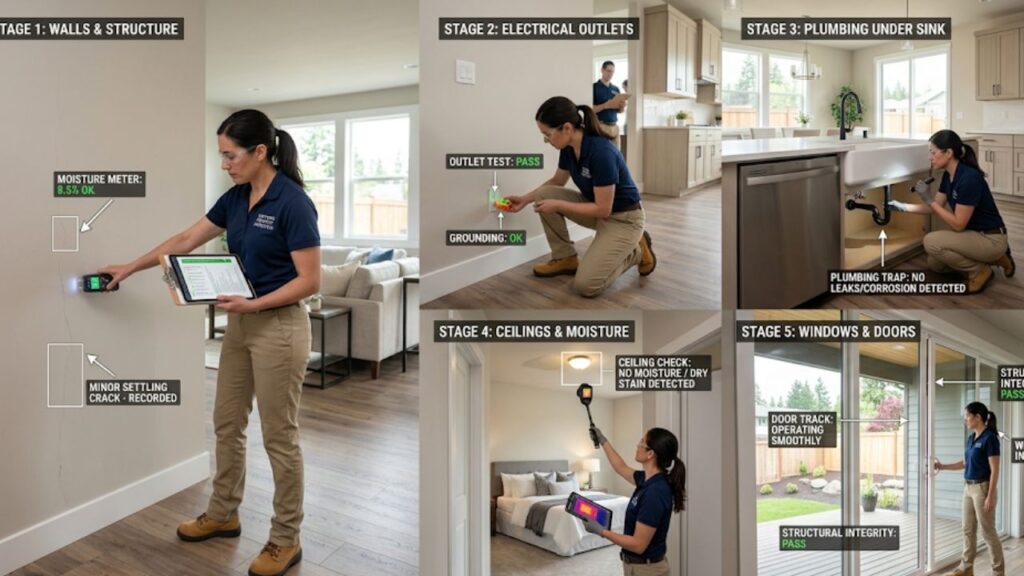
When the inspector arrives, they will conduct a visual evaluation of the home’s physical structure and major internal systems. Here is a breakdown of what they will examine.
Exterior Examination: From Roof to Foundation
The inspector usually starts on the outside. They will evaluate the condition of the roof, looking for missing shingles or signs of wear. Next, they check the siding, exterior doors, and windows. The inspector will also look closely at the foundation and the grading of the soil around the house. Proper grading ensures water drains away from the foundation. During this stage, they also keep an eye out for signs of termite or insect damage, which might indicate a need for professional pest control North Richmond.
Interior Systems: The Heart of the Home
Moving inside, the focus shifts to the critical systems that keep the home comfortable and safe. The inspector will test the heating, ventilation, and air conditioning (HVAC) systems. They will evaluate the plumbing by running faucets, flushing toilets, and checking for visible leaks. The electrical system is also tested, which includes opening the electrical panel, checking circuit breakers, and testing outlets throughout the house.
Structural Components: Ensuring Stability
A safe home needs good bones. The inspector will assess the structural integrity of the walls, ceilings, and floors. They are looking for cracks, uneven flooring, or significant settling. They will also scan for signs of water damage, mold, or unusual wear that could point to hidden structural issues.
Appliances and Fixtures: Functionality Check
Finally, the inspector will run a quick functionality check on any built-in appliances and fixtures staying with the house. This includes items like the dishwasher, built-in microwave, oven, and garbage disposal to ensure they operate correctly.
What Inspectors Look For
It is important to understand that inspectors are not looking for cosmetic flaws like peeling wallpaper or scratched floorboards. Their primary goal is to identify safety concerns and significant defects. They are looking for major red flags such as faulty wiring, a failing roof, leaky pipes, or potential infestations. If they notice wood-destroying insects or heavy rodent activity, they will note this in their report so you can reach out to experts like Murphy’s Pest Control for a specialized evaluation.
Your Comprehensive Inspection Report
Shortly after the walkthrough, the inspector will provide a detailed written report. This document is usually highly organized and includes clear photos, detailed descriptions of any issues found, and general maintenance recommendations. Do not panic if the report is long; no house is perfect. The key is to distinguish between minor maintenance items and major structural or safety problems.
Next Steps After the Inspection
Once you have the report in hand, you can decide how to proceed. If major issues are uncovered, you have a few options. You can ask the seller to complete the repairs before closing, or you can negotiate a credit to fix the problems yourself. If a severe issue is discovered—like an active infestation requiring a visit from Murphy’s Pest Control—you might decide to walk away from the deal entirely. Gathering quotes for major repairs, such as roof work or pest control North Richmond, will help you negotiate fairly.
Your Partner in Property Decisions
A property inspection is one of the most valuable steps in the real estate journey. While it might seem intimidating to uncover a home’s hidden flaws, knowing exactly what you are buying is always the smartest move. By understanding the inspection process, you can approach your purchase or sale with confidence, secure in the knowledge that you are making a fully informed decision.