7 Key Steps to Take Immediately After Flooding or Water Damage
Flooding and water damage can strike unexpectedly, leaving homeowners overwhelmed and unsure of what to do next. Whether caused by a burst pipe, heavy rainfall, or a natural disaster, water intrusion can lead to serious structural issues, mold growth, and loss of personal property. Acting swiftly and strategically is essential to minimize damage and begin the recovery process. This article outlines the most critical steps to take immediately after experiencing flooding or water damage, helping you protect your home and health.
Ensure Safety First
Before addressing any damage, prioritize safety. Water can compromise electrical systems, create slippery surfaces, and introduce contaminants into your home. If there’s standing water near electrical outlets or appliances, shut off the power at the main breakeronly if it’s safe to do so. Avoid wading through floodwater, especially if you’re unsure of its depth or source. Floodwater may contain sewage, chemicals, or debris that pose health risks. If you suspect structural damage or contamination, evacuate the premises and contact emergency services or a professional inspector.
Document the Damage Thoroughly
Once it’s safe to re-enter your home, begin documenting the damage. Take clear photos and videos of affected areas, including walls, floors, furniture, and personal belongings. This visual evidence will be crucial when filing insurance claims. Make a detailed inventory of damaged items, noting their approximate value and condition before the incident. Keep all receipts related to cleanup and repairs, as these may be reimbursed by your insurance provider. The more comprehensive your documentation, the smoother your claims process will be.
Remove Standing Water Promptly
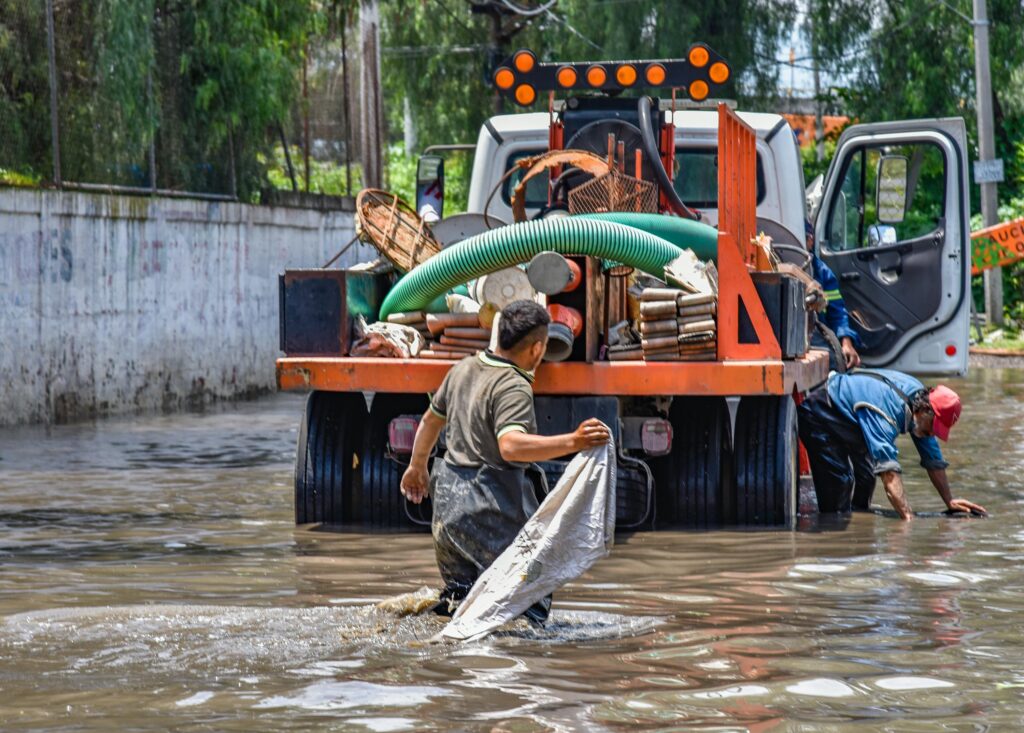
Time is of the essence when dealing with water damage. The longer water sits, the greater the risk of mold growth and structural deterioration. Depending on the extent of flooding, you may be able to use wet/dry vacuums, mops, or buckets to remove water. However, for significant water intrusion, it’s wise to contact a reputable water removal service. These professionals have specialized equipment and expertise to extract water efficiently and prevent further damage. They can also assess moisture levels in walls and floors, ensuring hidden pockets of water are addressed before they lead to long-term issues.
Dry and Dehumidify the Space
After water has been removed, drying the affected area is the next critical step. Open windows and doors to promote airflow, and use fans and dehumidifiers to accelerate the drying process. Pay special attention to carpets, upholstery, and drywall, which can retain moisture and foster mold growth. If materials are saturated beyond salvage, consider removing and replacing them. Mold can begin to develop within 24 to 48 hours, so acting quickly is essential. Monitor humidity levels and continue drying efforts until the space is completely dry.
Contact Your Insurance Provider
Reach out to your insurance company as soon as possible to report the incident. Provide them with your documentation and be prepared to answer questions about the cause and extent of the damage. Depending on your policy, you may be covered for repairs, temporary housing, and replacement of personal items. An adjuster may visit your home to assess the damage firsthand. Be proactive in communicating and follow up regularly to ensure your claim progresses smoothly. If needed, consider hiring a public adjuster to advocate on your behalf.
Begin Cleanup and Repairs
Once the area is dry and safe, begin the cleanup process. Remove debris, sanitize surfaces, and discard items that cannot be salvaged. Use disinfectants to eliminate bacteria and prevent mold. Depending on the severity of the damage, you may need to hire contractors to repair drywall, flooring, or electrical systems. Choose licensed professionals with experience in water damage restoration. Restoring your home may take time, but thorough cleanup and quality repairs will help ensure your space is safe and livable again.
Prevent Future Water Damage
After recovery, take steps to prevent future incidents. Inspect your home for vulnerabilities such as cracked foundations, poor drainage, or aging plumbing. Install sump pumps, backflow valves, and water alarms where appropriate. Regular maintenance and timely repairs can go a long way in protecting your property. Consider reviewing your insurance coverage to ensure it includes flood protection, especially if you live in a high-risk area. Being proactive now can save you from costly damage later.
Conclusion
Flooding and water damage are stressful events, but knowing how to respond can make all the difference. By prioritizing safety, documenting damage, removing water quickly, and initiating cleanup, you can mitigate the impact and begin the path to recovery. While the process may feel daunting, each step brings you closer to restoring your home and peace of mind. With the right approach and support, you can navigate the aftermath of water damage with confidence and resilience.