How to Reinvent Your Garden After Removing a Large Tree
Removing a large tree from your garden can feel like saying goodbye to an old friend. Whether it’s due to safety concerns, declining health, or the need to revamp your outdoor space, losing an established tree often leaves a physical and emotional gap in your landscape. But this change also brings an opportunity—a chance to reimagine your garden and create something even more beautiful.
This guide will help you understand the impact of tree removal, prepare your garden for the change, and explore creative ways to transform your outdoor space into a fresh, vibrant sanctuary.
Understanding the Aftermath of Tree Removal
Why Remove a Tree?
Tree removal is not a decision most homeowners take lightly. However, there are several good reasons for doing so:
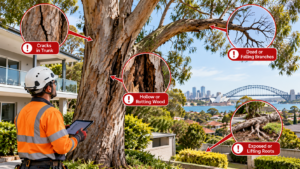
- Safety Risks: Overgrown roots, unstable trunks, or damaged branches can create hazards for your property and family.
- Aesthetic Concerns: Sometimes a tree grows too large for its allocated space, blocking sunlight or overshadowing other plants.
- Tree Decline: Dead or diseased trees can attract pests and spread decay to nearby vegetation. Tree specialists, such as Branch Out Tree Specialists, are experts in detecting when removal is necessary.
While you may feel relieved to address these issues, the removal process can affect the soil and surrounding garden space.
What Happens to Your Garden After Tree Removal?
Post-tree removal, your garden might take a hit:
- Compact Soil: Heavy machinery used during tree removal in North Sydney or elsewhere can compact the soil, making it harder for new plants to thrive.
- Loss of Shade: With a large tree gone, direct sunlight will drastically change the microclimate, creating a hotter, drier landscape.
- Roots Left Behind: Stumps and underground roots can disrupt future landscaping if not properly dealt with.
Acknowledging these challenges is key to successfully planning the next steps for your outdoor space.
Preparing for Change
Steps to Take Before Tree Removal
Preparation is essential to mitigate damage and plan for the future. Follow these tips:
- Mark the Area: Identify the locations of nearby plants and root systems that might be disturbed during removal.
- Consult Professionals: A local specialist, like a Branch Out Tree Specialist, can ensure the removal is handled safely and efficiently.
Planning for New Growth
Once the tree is removed, assess the soil condition and lay the groundwork for future plantings:
- Test the soil’s pH levels, as they may have been impacted by the removed tree.
- Add compost or organic matter to enrich the soil.
- If a stump remains, decide whether to remove it completely or integrate it into a new garden design.
Reimagining the Garden
Creative Garden Design Options
Now comes the fun part—turning your cleared space into a fresh canvas for creativity! Here are a few design ideas:
- Garden Beds:
- Replace the empty spot with vibrant flower beds filled with seasonal blooms.
- Consider native plants; they’re adapted to the local climate and require less maintenance.
- Hardscaping Features:
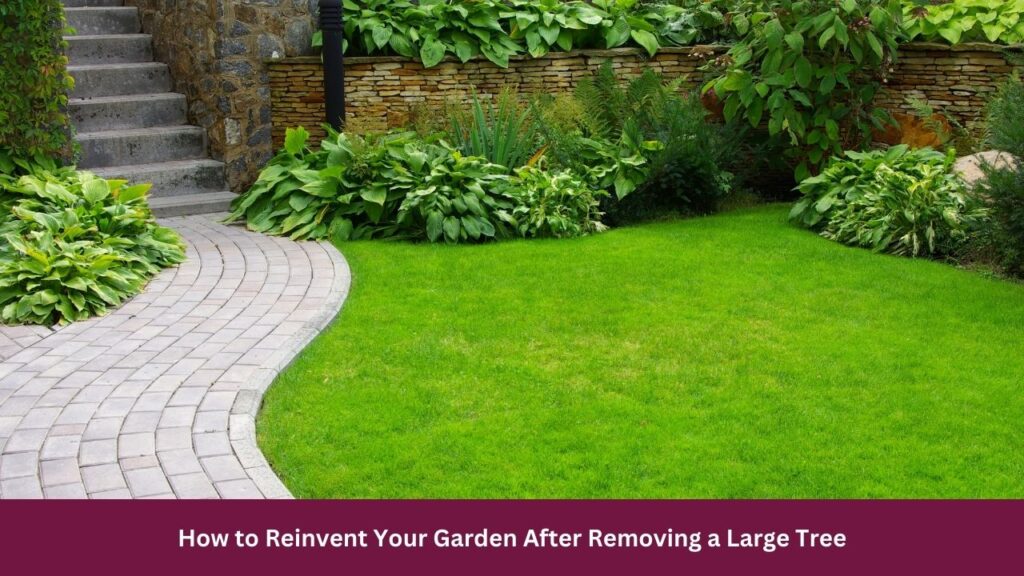
- Install a paved pathway, patio, or decorative seating area to create functional space.
- Add a water feature or rock garden for texture and visual interest.
- New Trees and Plants:
- Choose smaller, fast-growing trees such as native bottlebrush or crepe myrtle to create shade without dominating the space.
- Add climbing plants like jasmine to fences or pergolas for a lush feel.
Don’t forget to take into account light and soil conditions when selecting your plants—what worked under the canopy of the old tree may no longer thrive in direct sunlight.
Inspiration from Local Resources
Sydney homeowners have an abundance of resources at their disposal. Collaborating with tree removal professionals like Branch Out Tree Specialist and seeking guidance from local garden centers can help you make informed choices for your redesigned outdoor space.
Practical Tips for Long-Term Success
Soil Preparation and Planting
Caring for your garden begins with proper planting techniques and soil conditioning:
- Double-dig your soil or loosen it with a garden fork before planting new vegetation.
- Water deeply to encourage strong root systems.
- Use organic mulch around plants to retain moisture and regulate soil temperature.
Keep an Eye on New Additions
Frequent observation is vital during the early establishment of new plants:
- Remove invasive weeds that compete for nutrients.
- Monitor plant health and take action if pests appear.
- Prune and shape your plants as needed to encourage healthy growth.
Regular maintenance and thoughtful care will reward you with a thriving garden.
Conclusion
Tree removal is not the end—it’s a fresh beginning. With the right planning and creativity, you can transform the space into a vibrant, revitalized garden that suits your needs and style. Whether it’s planting colorful flowers, adding hardscaping features, or simply refreshing the soil, the possibilities are endless.