Restoring Efficiency in Aging AC Systems: What You Need to Know
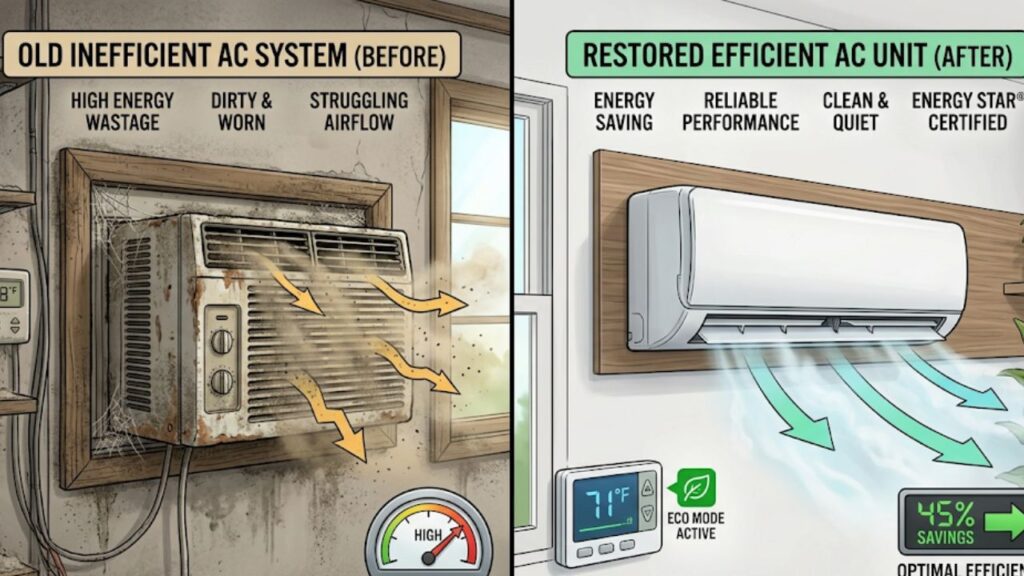
You turn on your air conditioner on a sweltering afternoon, expecting a blast of cold air, but instead, you get a weak, lukewarm breeze. The decline of an aging AC system often happens quietly. Small inefficiencies build up over time until your unit struggles to cool your home, working twice as hard for half the result. Understanding how to spot these underlying issues and taking the right steps to address them can restore your system’s efficiency and keep your space comfortable all year round.
Recognizing the Signs of an Aging AC System
The first step to fixing an inefficient air conditioner is knowing what to look for. Your system will usually give you a few warning signs before a complete failure occurs.
- Decreased Cooling Power: If your home takes much longer to cool down or certain rooms remain warm, your system is losing its cooling capacity.
- Increased Energy Bills: A sudden or steady spike in your monthly energy costs indicates that your AC is working harder and drawing more power to maintain the set temperature.
- Unusual Noises or Odors: Rattling, grinding, or squealing sounds point to loose or failing parts. Musty or burning smells can indicate mold growth or wiring problems.
- Frequent Breakdowns: If you find yourself constantly resetting the system or calling for minor fixes, your aging unit is struggling to keep up.
Common Causes of AC Inefficiency
Several factors contribute to the gradual decline of an air conditioning unit.
- Refrigerant Leaks: Low refrigerant levels make it impossible for the system to absorb heat from your home effectively.
- Clogged Filters: A dirty filter blocks airflow, forcing the system’s blower motor to work overtime.
- Worn-Out Components: Over the years, motors, belts, and bearings wear down, reducing the overall mechanical efficiency of the unit.
- Electrical Issues: Faulty wiring or failing capacitors can cause the compressor or fan to run intermittently.
Simple Steps to Restore Efficiency
You do not always need a technician to improve your air conditioner’s performance. A few simple maintenance tasks can make a noticeable difference.
- Regular Filter Replacement: Swap out your HVAC filters every one to three months. This single action greatly improves airflow and prevents dust from settling on internal parts.
- Clearing Debris from the Outdoor Unit: Leaves, dirt, and branches can choke your outdoor condenser. Keep a two-foot clearance around the unit and gently brush away any accumulated grime.
- Checking Thermostat Settings: Ensure your thermostat is set correctly and placed away from heat sources like lamps or direct sunlight, which can cause false readings and overwork the system.
When to Call the Professionals
While DIY maintenance is helpful, some problems require specialized knowledge. Waiting too long to address a failing motor or a severe refrigerant leak can turn a minor fix into a costly disaster that requires emergency air conditioning repairs sydney.
For complex issues like electrical faults, frozen evaporator coils, or sudden total system failures, professional intervention is critical. Reliable technicians can perform expert diagnostics to pinpoint the exact cause of the inefficiency. Furthermore, scheduling routine maintenance through trusted Sydney Air Conditioning Services ensures your system is thoroughly cleaned, lubricated, and calibrated before the hottest months arrive. If your system breaks down unexpectedly