The Rise of Multipurpose Furniture Thanks to Innovative Joinery
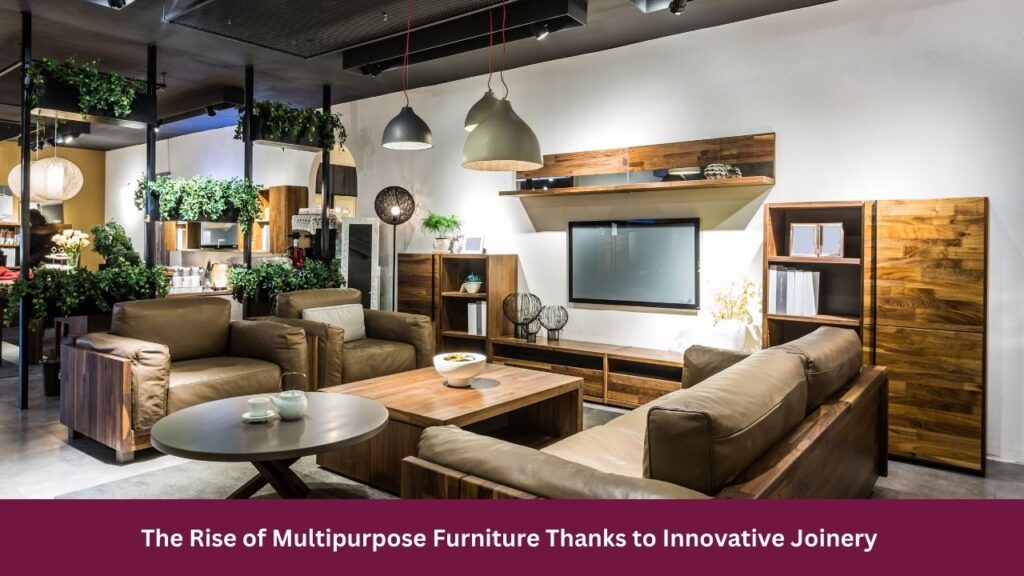
When it comes to designing living spaces, functionality and aesthetics often go hand in hand. But with the growing trend of compact and adaptable living, furniture that serves multiple purposes has taken center stage. At the heart of this transformation lies the art of joinery—a timeless woodworking technique that has evolved to meet modern needs. Whether you’re a woodworking enthusiast or an interior designer on the hunt for clever solutions, innovative joinery on the Central Coast is reshaping the way we look at furniture.
This blog explores how Spoke Building & Interiors the role of joinery in the rise of multipurpose furniture, offering insights into its artistic roots, modern applications, and impact on sustainable living spaces.
The Art of Joinery
A Craft Rooted in Tradition
Joinery is the timeless craft of connecting pieces of wood to form sturdy structures without the use of nails or screws. This woodworking technique has been practiced for centuries, with historical examples found in ancient Japanese, Chinese, and European furniture. Its precision and durability make joinery a respected art form that continues to influence design today.
Types of Joinery in Multipurpose Furniture
Some common joinery methods used in crafting multipurpose furniture include dovetail joints, mortise and tenon, and pocket hole joinery. For instance, the dovetail joint—known for its interlocking “fingers”—is prized for its strength, often seen in drawers that endure daily wear and tear.
Pocket hole joinery, on the other hand, is popular for its versatility in assembling furniture quickly and discreetly. These techniques, when combined with fresh innovations, have paved the way for modern furniture that balances form and function.
Evolving Through Innovation
On the Central Coast, woodworking professionals are modernizing traditional joinery techniques. Through advancements in machinery and creative design, furniture makers can now craft sleek, multipurpose pieces that offer exceptional durability without compromising style.
For example, innovative methods such as CNC machining have revolutionized joinery by allowing intricate designs to be cut with pinpoint accuracy. This not only reduces material waste but also enhances the functionality of the end product.
Multipurpose Furniture in Modern Living Spaces
Popular Examples of Multipurpose Furniture
Think modular sofas that convert into beds, extendable dining tables, or bookshelves that double as room dividers. These creative solutions cater to modern-day living needs, ensuring that even the smallest room can be transformed into a multipurpose haven.
Furniture makers specializing in joinery on the Central Coast continue to innovate in this space, crafting pieces designed to adapt seamlessly to changing lifestyles. A coffee table that conceals ample storage under a smart, sliding top or a wall-mounted desk with fold-out capabilities is just a glimpse of what’s possible.
Space-Saving Benefits
The biggest appeal of multipurpose furniture lies in its ability to save space. Whether you’re furnishing a family home or a compact studio, these pieces make it easy to create an environment that feels open and organized. And it’s all thanks to innovative joinery techniques, which ensure the furniture remains sturdy and functional while serving more than one purpose.
Joinery Innovations in Multipurpose Furniture
Furniture makers and designers are pushing the boundaries of what innovative joinery can achieve. By merging traditional craftsmanship with contemporary technology, they’re creating furniture that manages to be both practical and timeless.
Building Longevity and Flexibility
By focusing on advanced joinery methods, furniture makers can increase the lifespan of their designs. These durable connections minimize wear and tear even with frequent reconfiguration, making them ideal for multipurpose furniture that gets heavy use.
Environmental and Economic Impact
Beyond its aesthetic and functional appeal, innovative joinery also plays a role in promoting sustainability and economic efficiency.
A Green Approach to Furniture
Using joinery minimizes the need for excess hardware like nails or screws, which often involve additional manufacturing processes. This reduces environmental impact while ensuring the furniture stays recyclable. Many makers on the Central Coast are also turning to sustainably sourced wood, further enhancing their eco-friendly credentials.
Long-Term Value for Consumers
For consumers, investing in high-quality multipurpose furniture means fewer replacements over time. Durable joinery ensures the furniture can stand up to regular use, saving money in the long run. Additionally, such adaptable designs allow users to avoid frequent upgrades, aligning with the growing ethos of intentional and minimal living.
Conclusion
The resurgence of joinery on the Central Coast underscores its importance in modern furniture design. By blending tradition with innovation, furniture makers are redefining what’s possible with wood. For woodworking enthusiasts and interior designers alike, this approach offers a source of inspiration and an opportunity to explore boundary-pushing designs.