Roofing Red Flags: Visual Signs Your Roof May Be in Trouble
Your roof might not always demand attention, but it’s constantly working to protect your home from wind, water, sun, and debris. While it’s built for durability, no roofing system lasts forever. The trouble is, many homeowners don’t notice warning signs until damage has already spread beneath the surface. That’s why recognizing visible red flags early is one of the smartest ways to avoid expensive repairs—or even a premature roof replacement.
Knowing what to look for during a simple visual check can give you a head start on addressing small issues before they escalate. Some signs are subtle and may appear harmless, but they often hint at larger problems hidden just out of view.
This article breaks down the most common visual indicators that your roof might need attention, and why you should act on them sooner rather than later.
1. Curled, Cracked, or Missing Shingles
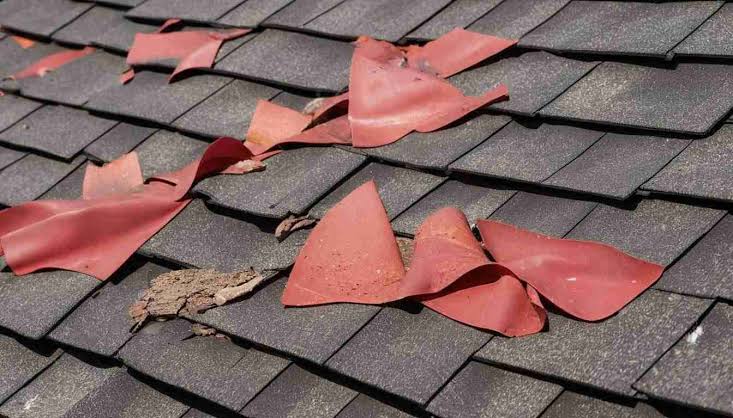
One of the most obvious signs of roof trouble is visible shingle damage. Shingles that curl upward or downward have likely been exposed to repeated heat cycles or moisture intrusion. Cracks can occur from wind stress or age, while missing shingles are usually the result of storm damage or poor installation.
These gaps expose the underlying layers of your roof to the elements. Left unchecked, they can lead to water leaks, mold growth, and structural rot.
If you see patches where granules are gone or entire shingles are missing, it’s time to call a roofing company to evaluate whether roof repair or roof replacement is the best course of action.
2. Dark Streaks or Discoloration
Discolored streaks running down your roof may seem like cosmetic blemishes, but they often point to more serious issues. These streaks are typically caused by algae growth—common in humid or shaded areas—and while not always damaging on their own, they can retain moisture that leads to long-term material degradation.
More concerning are dark patches or stains that appear suddenly, which may indicate trapped moisture or water damage beneath the surface. When discoloration spreads unevenly or appears near roof valleys and flashing, it’s time for a closer inspection.
3. Moss and Plant Growth
Moss may give your home a rustic charm, but it’s no friend to your roof. It thrives in moist, shaded conditions and grows roots that penetrate the surface of shingles. Over time, this compromises the water-resistance of the roof and can lift shingles, allowing moisture to get underneath.
If you see thick patches of moss or other vegetation, don’t ignore them. Cleaning the growth is only a temporary fix if the underlying issue—usually poor drainage or lack of sun exposure—isn’t addressed. Persistent moss is often a sign that more extensive roof repair or system upgrades are needed.
4. Flashing That’s Loose, Bent, or Rusted
Flashing is the metal material installed around vents, chimneys, skylights, and valleys to redirect water away from seams and joints. If the flashing is rusted, lifting, or bent, it compromises your roof’s ability to shed water efficiently.
Pay particular attention to areas where flashing overlaps or meets vertical structures. If it looks loose or out of alignment, it could be allowing water to enter the roof’s underlayment. Over time, this leads to rot, leaks, and even internal ceiling damage.
A roofing company can reseal or replace flashing as part of targeted roof repair, but widespread failure may signal the need for broader intervention.
5. Sagging or Uneven Roof Lines
A roof should have clean, straight lines along its ridges and slopes. If you notice any sagging, dipping, or bowing, it could point to deeper structural problems. This often means that the decking beneath the shingles has become weakened due to moisture damage, excessive weight, or aging materials.
Sagging doesn’t just look bad—it’s a serious safety concern. If the problem continues without attention, the roof’s structural integrity could fail, requiring emergency roof replacement or repairs to framing components.
Spotting sagging early can prevent major disruption and help you budget for timely restoration before collapse becomes a risk.
6. Granules in Gutters and Around the Home
If you clean your gutters and find a noticeable accumulation of coarse, sand-like granules, that’s a sign your shingles are deteriorating. These granules protect shingles from UV damage and help regulate roof temperature. Once they start to shed, the shingles lose their effectiveness.
Granule loss is typical with age, but it can also be accelerated by hail, poor ventilation, or subpar materials. While not an emergency on its own, it’s often one of the first signs that a roof replacement should be considered in the near future.
7. Exposed Nail Heads or Lifting Shingles
Nail heads should be flush with the surface or completely covered by shingle layers. If you notice exposed or rusting nails, it may mean the shingles have shifted or weren’t installed properly. Lifting shingles can allow wind to catch underneath, increasing the risk of them tearing off completely.
These visual cues suggest that water may already be seeping into vulnerable spots—particularly around eaves and edges. Catching them early helps prevent moisture from reaching the attic or insulation layers.
8. Interior Water Spots or Peeling Paint
Though this sign technically appears inside the home, it’s often your first visible clue that the roof is compromised. Water stains on ceilings or walls, bubbling paint, or peeling drywall all indicate water intrusion. The source is often a hidden leak in the roof that’s gone unnoticed for some time.
By the time these symptoms appear indoors, the roof damage may already be moderate to severe. Prompt inspection and roof repair are critical to preventing mold and structural decay.
9. Debris Accumulation in Valleys
Roof valleys are the areas where two slopes meet and channel water toward gutters. If you see leaves, branches, or shingle debris collecting in these areas, it’s a red flag. Debris traps moisture, which can degrade the materials beneath and obstruct water flow.
Over time, this can create leaks or cause water to pool and back up under the shingles. Regular cleaning and visual inspection are key to preventing this kind of damage from going unnoticed.
10. Age of the Roof
Sometimes, the biggest red flag isn’t something you can see—it’s just a matter of timing. If your roof is over 20 years old and hasn’t had significant updates, it may be nearing the end of its life even if there are no obvious signs of damage.
Older roofs are more susceptible to weather damage, energy inefficiency, and material fatigue. Knowing your roof’s age helps you plan for roof replacement proactively, rather than waiting for a failure to force the issue.
Bumble Roofing of South Sound emphasizes that timely assessments are the best way to stay ahead of costly repairs and make informed decisions about your home’s future.
Final Thoughts
Roofing problems often start silently, then show themselves through visual clues that are easy to overlook if you’re not watching closely. Conducting regular inspections—at least twice a year and after major storms—helps you spot red flags early.
From curling shingles and rusted flashing to sagging rooflines and indoor water stains, these signs are the roof’s way of asking for help. Responding quickly can mean the difference between a minor roof repair and a major roof replacement.
Don’t wait until a leak appears to take action. Stay observant, stay informed, and involve professionals when necessary to protect your home, comfort, and long-term investment.