Signs Your Motorcycle Radiator Needs Repair or Replacement
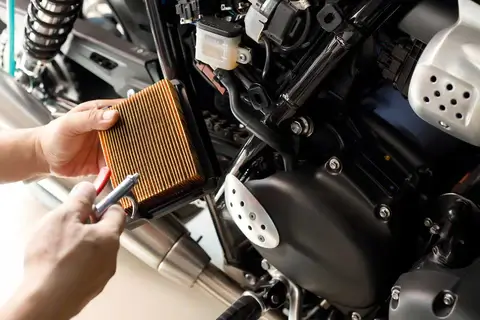
A properly functioning radiator is essential for maintaining your motorcycle’s engine temperature and preventing overheating. The cooling system plays a critical role in engine performance, and when issues arise, they can lead to costly repairs or even engine failure. Recognizing the signs of a failing radiator early can help you avoid bigger problems down the road. In this blog, we’ll explore the most common signs that indicate your motorcycle radiator needs repair or replacement.
1. Overheating Engine
One of the most obvious signs that your motorcycle radiator is failing is an overheating engine. If your bike consistently runs hotter than normal, it’s a clear indication that the cooling system is not working efficiently. Overheating can be caused by a clogged or leaking radiator, low coolant levels, or a malfunctioning thermostat. If you notice your temperature gauge climbing higher than usual, it’s time to check your radiator.
2. Coolant Leaks
Coolant leaks are a common sign of radiator damage. If you see green, orange, or pink fluid pooling under your bike, it’s likely that your radiator or one of its hoses is leaking. Leaks can develop from cracks in the radiator, loose hose connections, or worn-out seals. Even a small leak can cause a drop in coolant levels, leading to inefficient cooling and potential overheating.
3. Low Coolant Levels
If you frequently find yourself refilling the coolant reservoir, there may be a hidden leak in the radiator or another part of the cooling system. A well-sealed radiator should maintain consistent coolant levels. If you are losing coolant without visible leaks, it could be evaporating due to overheating or escaping through a damaged radiator cap.
4. Discolored or Contaminated Coolant
Healthy coolant is usually a bright color, such as green, red, or orange, depending on the type used in your bike. If your coolant appears rusty, murky, or has visible debris, it could be a sign of internal corrosion or contamination. A compromised radiator can allow dirt, rust, or oil to mix with the coolant, reducing its effectiveness and potentially clogging the system.
5. Radiator Fins Are Bent or Clogged
The radiator’s fins play a vital role in dissipating heat. If they are bent, clogged with debris, or covered in dirt, they won’t be able to cool the coolant effectively. Regular cleaning and inspection can help prevent overheating due to restricted airflow. If the fins are extensively damaged, radiator replacement may be necessary.
6. Steam or Smoke from the Engine
If you notice steam or smoke coming from your engine or radiator, it’s a clear sign of overheating. Steam is usually a result of coolant boiling over due to a failing radiator, while smoke can indicate a severe overheating issue that could damage the engine. In either case, stop riding immediately and let your bike cool down before inspecting the radiator.
7. Unusual Smells
A sweet, syrupy smell while riding could indicate a coolant leak. Antifreeze has a distinct scent, and if it’s leaking from the radiator or hoses, you may notice the smell even before seeing visible signs of a leak. A burning smell, on the other hand, could mean that your engine is overheating due to a failing radiator.
8. Poor Performance or Power Loss
When your motorcycle overheats, the engine may struggle to perform as expected. A failing radiator can cause power loss, sluggish acceleration, or even stalling. The engine may also go into a protective mode, reducing power to prevent further damage. If you notice performance issues, inspect the cooling system to ensure it’s functioning correctly.
9. Visible Corrosion or Damage
Rust or corrosion on the radiator is a warning sign that it may be failing. Over time, exposure to moisture and road debris can cause the radiator to corrode, leading to leaks and reduced efficiency. If you see rust forming on the radiator’s surface or around the cap, it may be time for a replacement.
10. Air Pockets in the Cooling System
Air pockets can develop in the cooling system, causing inconsistent cooling and overheating. If you suspect air pockets, you may need to bleed the cooling system to remove trapped air. Persistent air pockets could indicate a more serious issue, such as a cracked radiator or a failing water pump.
Repairing vs. Replacing a Motorcycle Radiator
If you notice any of the above signs, you might wonder whether a motorcycle radiator repair is sufficient or if a full replacement is necessary. Minor issues like small leaks or bent fins can often be repaired, but extensive damage usually requires a replacement. Here’s how to determine the best course of action:
- Repair: Small leaks, clogged fins, or a faulty radiator cap can often be fixed by patching, cleaning, or replacing minor components.
- Replacement: If your radiator has extensive corrosion, large leaks, or significant structural damage, replacing it is the best option to prevent future failures.
Preventative Maintenance for Your Motorcycle Radiator
To extend the life of your radiator and avoid costly repairs, follow these maintenance tips:
- Regularly check coolant levels and top off if needed.
- Inspect for leaks and address them promptly.
- Flush the cooling system periodically to remove debris and prevent contamination.
- Clean the radiator fins to ensure proper airflow.
- Check hoses and connections for signs of wear or leaks.
- Use high-quality coolant that meets your motorcycle’s specifications.
Final Thoughts
Your motorcycle’s radiator is essential for keeping the engine cool and running smoothly. If you notice signs of radiator failure, addressing the issue quickly can prevent costly damage. Whether it’s a motorcycle radiator repair or a full replacement, maintaining your cooling system ensures your bike performs at its best.
If you need expert advice or quality radiator repair services, don’t hesitate to contact a trusted motorcycle specialist. Keeping your radiator in top condition will keep your rides smooth, safe, and enjoyable.