What to Do If Your Solar Panels Stop Performing
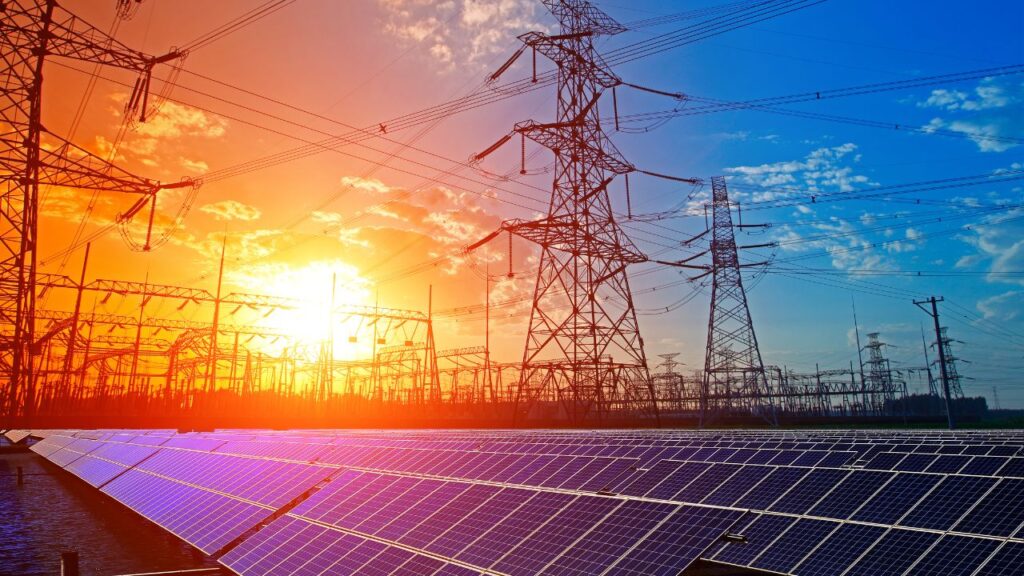
Solar panels are a brilliant investment for sustainable energy and long-term savings, especially for those enjoying sunlit locales like the Sunshine Coast. But what happens if your solar panels stop performing as expected? By addressing issues promptly, you can safeguard your investment and keep your system running efficiently. This guide dives into the common reasons for performance drops, troubleshooting steps, and tips to keep your solar panelson on the sunshine coast in peak condition.
Common Reasons for Performance Issues
Solar panels are reliable, but like any technology, they can face challenges that reduce their performance. Here are some of the usual suspects:
- Dirt and Debris Accumulation
Dust, leaves, and bird droppings can layer on your panels, blocking sunlight and reducing efficiency. While solar panels are designed to capture sunlight, even a thin film of grime can cause dramatic performance drops.
- Shading
Shadows from nearby trees, buildings, or other structures can obstruct sunlight access. Solar panels rely on uninterrupted exposure to the sun to produce energy efficiently, making shading a significant issue.
- Weather Damage
Hail, wind, or other extreme weather conditions can result in cracks or physical damage to the panels. Even tiny cracks can affect performance over time.
- System Component Failures
The issue may not be with the panels themselves but with supporting components like the inverter, wiring, or batteries. These are crucial to transforming solar energy into usable electricity.
Step-by-Step Troubleshooting Guide
If your system isn’t performing the way it should, follow these steps to identify and resolve potential issues:
- Check Your Monitoring System
Many solar systems come with a monitoring tool or app that displays your panel’s energy production. This can help you identify whether there’s a significant drop in output and pinpoint when the problem began.
- Inspect for Dirt and Debris
Carefully examine your panels for visible dirt, leaves, or other debris. Use long-handled tools (from the ground) to remove obstacles if necessary.
- Look for Shading
Identify whether any new objects, like tree branches or construction, are causing shading over your panels. This problem could vary throughout the day as the sun moves.
- Examine for Damage
From the ground, check for any visible cracks, chips, or discoloration on your panels. If safely accessible, use binoculars for a closer look.
- Check Connections and Wiring
Ensure that the wiring is intact and securely connected to the inverter or battery systems. Loose or disconnected wiring is a common issue.
- Review the Inverter
Your inverter plays a vital role in converting solar energy into electricity. Look for any warning lights or error codes on the inverter itself.
If these steps don’t resolve the issue, or if you notice any damage, it’s time to call in an expert.
When Should You Call a Professional?
While many solar panels on the sunshine coast issues can be spotted and resolved through basic troubleshooting, some situations require the expertise of a professional. Here’s when to seek help:
- If you identify visible cracks, discoloration, or significant damage to the panels.
- When the performance issue appears connected to the inverter or electrical wiring.
- If energy output continues to underperform with no apparent cause.
- For inspections after severe weather events like hailstorms.
On the Sunshine Coast, All Energy HQ offers professional inspections tailored to maintaining optimal solar panel performance. Never attempt risky maintenance or repairs yourself; safety always comes first.
Preventative Maintenance Tips
Preventative care is the simplest way to keep your solar panels running efficiently year-round. Consider these tips:
- Regular Cleaning
Clean your panels once every few months to remove dirt, dust, and debris. Use a soft brush and water for this task and avoid harsh chemicals or abrasive cleaning tools.
- Monitor System Output
Get familiar with your monitoring system to spot any performance dips early. Addressing potential issues sooner minimizes downtime.
- Trim Nearby Trees
Prevent shading by ensuring any nearby trees or plants are trimmed and maintained regularly.
- Schedule Routine Inspections
Professional inspections every couple of years can identify wear and tear, saving costly repairs down the road. Many Sunshine Coast residents swear by All Energy HQ for their comprehensive solar panel expertise.
Conclusion
Keeping your solar panels functioning at their best doesn’t have to be complicated. By understanding common performance issues, following a simple troubleshooting process, and committing to regular maintenance, you can ensure long-term energy efficiency. However, for any issues that need a professional touch, contacting trusted experts like All Energy HQ on the Sunshine Coast is your best move.