Storm Season Checklist: Is Your Roof Ready for Extreme Weather?

The skies are clear today. But in a few weeks—or even tomorrow—that could change.
Storm season doesn’t arrive politely. It blows in fast and hard, usually when you least expect it. And your roof? It’s your home’s first and only shield against the high winds, heavy rain, hail, and flying debris that come with it.
The question isn’t whether the next storm will hit. It’s whether your roof is ready for it.
Here’s your storm-season readiness checklist—designed not as a task list, but as a mindset. Walk through it with your home in mind, and you’ll either feel confident in your protection—or know exactly what needs fixing.
1. “Can my roof handle 60 mph winds?”
Start with the basic question: Is your roof structurally secure? Asphalt shingles, tiles, and metal panels each have their own wind ratings, but what matters most is how they were installed—and how they’ve aged.
Loose shingles or fasteners, degraded flashing, and brittle underlayment all reduce wind resistance. One gust is all it takes to peel back a weak section.
Ask yourself:
- Do any shingles look lifted, curled, or missing entirely?
- Is flashing rusted, dented, or detached from chimneys and vents?
- Do ridge caps or corners seem raised or cracked?
If any of these issues exist, roof repair isn’t just recommended—it’s urgent.
2. “Is there anything up there I’ve been ignoring?”
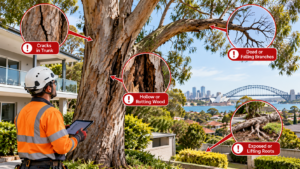
Look up. Not just at your roof, but around it. Tree limbs brushing your shingles, leaves clogging gutters, and debris from last season can turn into destructive missiles during a storm.
Before severe weather rolls in:
- Trim back limbs that hang over or touch the roof
- Clear gutters and downspouts to prevent water pooling
- Remove any debris or nesting material near vents or valleys
A clean roof is a safe roof—and one less likely to trap moisture or create a blockage during heavy rain.
3. “Have I inspected the attic?”
It’s easy to focus on the outside of your roof—but some of the most telling signs of trouble start inside.
Grab a flashlight and check the attic for:
- Water stains or active drips
- Daylight coming through decking or around flashing
- Moldy smells or visible mildew
These are all red flags that your roof may already be compromised—and might not survive another round of heavy rain.
4. “Is my roof drainage system ready for volume?”
Storms don’t just bring wind—they bring water. And a roof that doesn’t drain properly invites disaster.
Make sure:
- Gutters are firmly attached and sloped toward downspouts
- Downspouts are long enough to direct water away from the foundation
- Valleys between roof slopes are clear and free of debris
If you’ve noticed water overflowing during past storms, it’s time to correct those flow issues before the next rainfall causes internal leaks or exterior siding damage.
5. “Do I know the history of my roof?”
If you didn’t build your home, you may not know how old your roof really is. And age matters—because older roofs are more vulnerable to wind and water intrusion, even if they “look fine” from the ground.
Check your home’s documentation or consult with a local roofing company to get an accurate age estimate. Most asphalt shingle roofs last 20–25 years. Tile and metal systems can last longer, but even they develop issues like cracked tiles or rusted fasteners over time.
If your roof is past its expected lifespan, consider scheduling a roof inspection before storm season fully sets in.
6. “What’s the plan if something happens?”
It’s a worst-case question, but an important one: Do you know who to call if your roof is damaged in a storm?
Storm response isn’t the time to be researching contractors. Emergency repairs, tarping, and insurance documentation need to happen fast. Establishing a relationship with a roofing company beforehand—preferably one with experience in both roof repair and roof installation—saves time and stress later.
Teams like Homey Roofing and Restoration understand the unique needs of storm readiness and are prepared to help assess, document, and stabilize your roof when time is critical.
7. “Have I checked warranties and coverage?”
Now is the time—not after the storm—to check your roof’s warranty status and your homeowners insurance policy. Know:
- What kind of storm damage is covered
- What documentation will be required for a claim
- Whether your policy covers full replacement or only repairs
Also, if you recently replaced your roof, confirm that your roof installation came with a workmanship warranty in addition to manufacturer protection. Some coverage requires annual inspections to stay valid.
Being informed means fewer surprises when it matters most.
8. “Are we protected if the power goes out?”
This may not seem like a roof-related concern—but it is.
If your home relies on electric attic ventilation or sump pumps to manage moisture and humidity, power loss during a storm can quickly lead to water buildup. Make sure your attic has passive ventilation as a backup, and consider a battery-powered sump pump if your roofline channels a lot of water toward your foundation.
The goal is to think holistically: roof + drainage + interior systems = full storm protection.
9. “What’s my next step—today?”
Preparation only works if you act on it. So before the skies darken:
- Walk your roof perimeter
- Take photos of current roof conditions for insurance purposes
- Schedule a quick inspection if anything looks questionable
It only takes one storm to reveal a weakness—and when that happens, there’s no time to catch up.
Final Thoughts: When Storms Hit, the Roof Is the Front Line
You can’t control the weather. But you can control how prepared your home is to face it.
Storm readiness isn’t just about materials—it’s about mindset. The questions you ask today determine how much damage you avoid tomorrow. And whether it’s a small repair or a complete replacement, acting early makes the difference between weathering a storm and paying for its aftermath.
If your roof’s condition is even a question, don’t wait for wind and rain to answer it for you.