How to Straighten Teeth at Home Safely and Effectively with Aligners
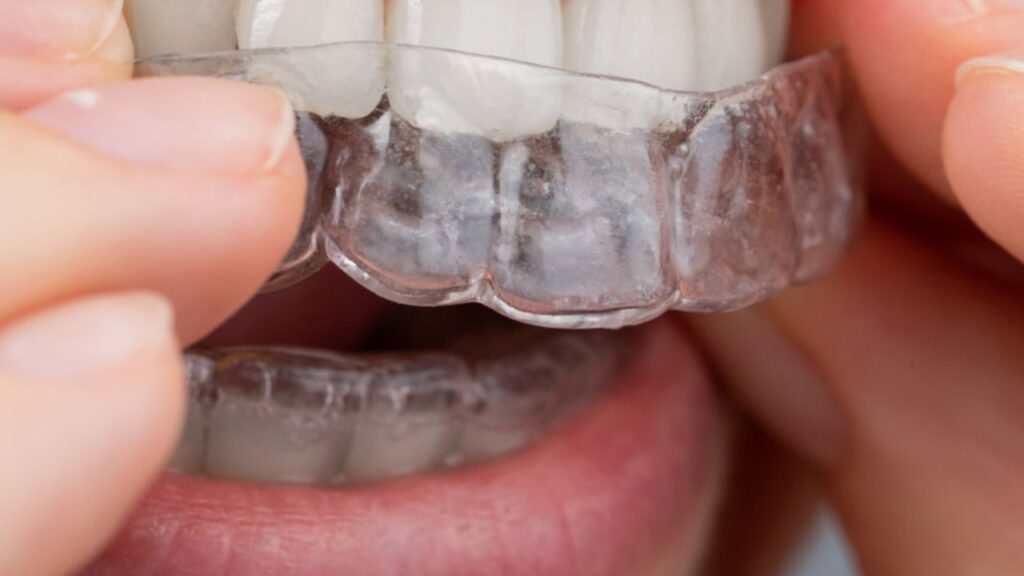
A confident smile can change how you feel and how you show up in everyday life. For years, metal braces were the most recognized option for correcting misaligned teeth. Today, clear aligners offer a more discreet and convenient path for many people—especially those who want a guided treatment plan without frequent in-person appointments.
This guide explains how aligners work, who they may help, what to watch out for, and how providers like Smilepath fit into the at-home process. It also includes practical safety tips so you can make informed decisions before starting.
Note: This article is for general information and is not a substitute for professional dental advice or diagnosis.
Why At-Home Teeth Straightening Is Becoming Popular
Traditional orthodontic treatment can involve regular visits, visible braces, and a schedule that doesn’t always suit busy routines. At-home aligner programs have changed that for many people by offering:
- remote treatment planning
- home impressions or digital scan options (depending on the provider)
- aligners delivered directly to your door
- progress monitoring through photos or check-ins (varies by provider)
The goal is to make orthodontic care more accessible and convenient—while still following a plan created from your dental data.
What Clear Aligners Are and How They Work
Clear aligners are transparent plastic trays made to fit over your teeth. They apply gentle, consistent pressure that gradually guides teeth into better alignment. Treatment typically involves wearing a sequence of trays, each one slightly adjusted compared to the previous set.
Compared with braces, many people choose aligners because they offer:
- A more discreet look: nearly invisible in most settings
- Comfort: no brackets or wires to irritate cheeks and gums
- Flexibility: remove them for eating, brushing, and flossing
- Simpler cleaning: trays can be cleaned separately with proper care
Can You Really Straighten Teeth at Home?
For many people, at-home aligners can be a fit—especially in mild to moderate alignment cases. These may include:
- mild crowding
- small to moderate gaps
- minor bite concerns (like mild overbite/underbite/crossbite)
- mild midline shifts or edge-to-edge alignment issues
That said, not every case is suitable for remote aligner treatment. Severe bite problems, jaw alignment concerns, or cases requiring tooth extractions and complex movement often need in-person orthodontic supervision.
Key Benefits of Using Aligners at Home
If you’re an appropriate candidate, aligners can offer several advantages:
Convenience
Most steps—from starting scans/impressions to follow-ups—can be handled remotely.
Affordability
At-home aligner plans are often priced lower than traditional braces or some in-office options (pricing varies).
Discreet treatment
Clear trays are generally hard to notice, which is ideal for adults and teens who prefer a subtle approach.
Comfort and flexibility
Smooth plastic and removable wear make it easier to maintain normal routines.
Safety Tips to Follow Before and During Treatment
Aligners can be effective when used responsibly and under a legitimate treatment plan. To protect your teeth and gums, keep these safety guidelines in mind:
- Choose a reputable provider
Look for clear details on professional oversight, treatment planning, and how progress is monitored. - Follow wear-time instructions consistently
Not wearing aligners long enough can delay results or lead to unpredictable movement. - Maintain strong oral hygiene
Brush and floss before putting trays back in to reduce the risk of trapped plaque and irritation. - Attend remote check-ins (if offered)
Submitting progress photos or updates helps catch issues early. - Pay attention to pain or unusual symptoms
Some pressure is normal, especially when switching to a new tray. But sharp pain, gum bleeding, or a bite that suddenly feels “off” should be reviewed by a dentist or orthodontic professional.
What Aligners Commonly Help Correct
Clear aligners can often address:
- Crowding: gradually creating space by shifting teeth
- Spacing: closing small-to-moderate gaps
- Minor bite alignment: improving how upper and lower teeth meet (case-dependent)
- Cosmetic alignment improvements: straighter front teeth and improved symmetry
A proper assessment is essential because “what looks minor” can still involve bite or gum factors that aren’t obvious without evaluation.
Limitations of At-Home Aligners
At-home aligners may not be recommended for:
- severe bite issues or significant jaw misalignment
- complex tooth rotations or movements that require attachments/procedures
- ongoing gum disease or untreated dental problems
- children who still have baby teeth or are still developing dentition
If there are underlying issues (like cavities or gum inflammation), treating those first is important before starting aligners.
How to Maintain Your Results After Treatment
After you finish aligner treatment, retention is key—teeth can drift back over time without support.
- Wear retainers as directed to help hold the new position
- Keep up with oral hygiene and routine dental checkups
- Avoid habits that stress teeth (nail-biting, chewing hard objects, using teeth as tools)
Retention is often the difference between a short-term improvement and a long-term result.
Final Thoughts
Clear aligners have made it possible for many people to straighten teeth at home in a way that fits modern life—more discreet, more convenient, and easier to manage day to day. The best outcomes come from using a trusted provider, following instructions closely, and staying alert to any signs that require professional attention.
If you’re considering an at-home plan, Smilepath is an example of a provider that uses a guided process to create personalized aligner treatment—helping make the journey smoother for people who want a more flexible alternative to traditional braces.