Streamlining Fleet Operations with Efficient Bulk DEF Delivery Solutions
In today’s transportation and industrial sectors, operational efficiency and environmental compliance are at the heart of sustainable business practices. As industries evolve to meet stringent emissions regulations and adopt greener technologies, one essential component has emerged as a cornerstone of modern diesel engine operation—Diesel Exhaust Fluid (DEF). This urea-based solution plays a pivotal role in reducing harmful nitrogen oxide (NOx) emissions and ensuring diesel-powered engines remain compliant with global environmental standards.
For organizations managing fleets, agricultural machinery, or heavy-duty equipment, maintaining an uninterrupted and high-quality supply of DEF is critical. The most practical and cost-effective way to ensure this is through bulk DEF delivery, which offers convenience, reliability, and cost savings compared to purchasing DEF in smaller quantities.
This comprehensive guide explores everything you need to know about bulk DEF delivery—how it works, its benefits, the industries that rely on it, and how it contributes to both operational efficiency and environmental sustainability.
Understanding Diesel Exhaust Fluid and Its Importance
Diesel Exhaust Fluid is a precisely formulated solution consisting of 32.5% high-purity urea and 67.5% deionized water. It is injected into the exhaust stream of diesel engines equipped with Selective Catalytic Reduction (SCR) systems, where it reacts with nitrogen oxides to produce harmless nitrogen and water vapor.
This chemical reaction significantly reduces NOx emissions, which are among the primary pollutants produced by diesel engines. DEF is therefore not just a regulatory requirement—it’s a crucial component of a cleaner and more sustainable transportation infrastructure.
Since 2010, diesel engines in trucks, buses, construction equipment, and agricultural machinery have been mandated to use DEF to comply with emissions standards. As a result, maintaining a consistent supply of DEF has become a vital operational priority for fleet managers and industrial operators worldwide.
The Rise of Bulk DEF Delivery in Modern Operations
While small-scale DEF containers such as 2.5-gallon jugs or 55-gallon drums might suit low-volume users, large operations demand something more efficient. Bulk DEF delivery has emerged as the most practical solution for businesses that consume DEF regularly and in significant volumes.
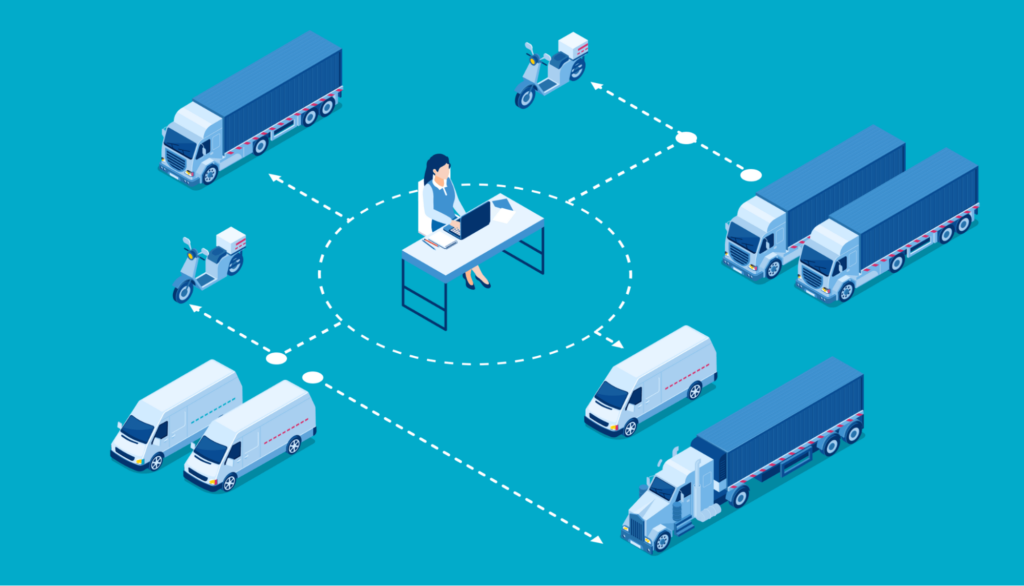
Instead of constantly purchasing and managing small containers, companies can receive large quantities of DEF directly to their facilities or fueling sites. This streamlined supply chain approach minimizes downtime, enhances efficiency, and ensures that high-purity DEF is always available when needed.
Bulk delivery typically involves transport via dedicated DEF tankers or bulk containers that meet ISO 22241 standards for purity. From there, the DEF is pumped into on-site storage tanks or integrated dispensing systems designed to preserve product integrity and quality.
Advantages of Bulk DEF Delivery
Choosing bulk DEF delivery offers a host of operational, financial, and environmental advantages. Here are the primary reasons why more companies are making the switch:
- Cost Efficiency
Purchasing DEF in bulk quantities substantially lowers the cost per gallon compared to smaller packaging options. This allows businesses to allocate resources more effectively while maintaining compliance with emissions standards. - Convenience and Time Savings
Managing numerous small containers can be labor-intensive and inefficient. Bulk delivery simplifies the process, allowing operators to refill directly from on-site tanks as needed. This minimizes manual handling and significantly reduces downtime. - Guaranteed Purity and Quality Control
DEF is sensitive to contamination and must remain free from impurities. Bulk delivery providers use dedicated equipment, sealed systems, and specialized hoses to maintain the purity of the fluid throughout the supply chain. - Reduced Environmental Impact
By eliminating the need for single-use plastic containers, bulk DEF delivery reduces waste and lowers the carbon footprint associated with packaging and transportation. This aligns with the growing corporate push toward sustainability and green operations. - Improved Inventory Management
Many modern DEF systems include monitoring technology that tracks tank levels in real time. When levels are low, the delivery provider can automatically schedule refills, ensuring a consistent and reliable supply without the need for manual oversight. - Scalability for Growth
As operations expand, businesses can easily scale their storage capacity and delivery schedules without major infrastructure changes. Bulk DEF systems are adaptable and suitable for both small fleets and large industrial operations.
Industries That Benefit Most from Bulk DEF Delivery
Bulk DEF delivery supports a wide range of industries where diesel-powered machinery and vehicles are central to daily operations. Some of the key sectors include:
- Transportation and Logistics: Long-haul trucking companies rely heavily on DEF for fleet compliance and efficiency.
- Construction and Mining: Heavy-duty machinery such as excavators, bulldozers, and loaders consume large quantities of DEF to maintain performance and meet emissions standards.
- Agriculture: Tractors and harvesters increasingly use DEF to reduce emissions and maintain fuel efficiency.
- Public Services: Municipal fleets and utility companies depend on DEF for buses, emergency vehicles, and maintenance trucks.
- Marine and Industrial Applications: DEF is also used in ships and stationary diesel generators to meet maritime and industrial emission regulations.
Each of these industries benefits from the cost savings, operational reliability, and sustainability advantages that bulk DEF delivery provides.
Storage and Handling Best Practices
Proper storage and handling are crucial to maintaining the purity and performance of DEF. Because it is highly sensitive to contamination, even small amounts of impurities can cause damage to SCR systems. Here are some best practices for managing bulk DEF on-site:
- Temperature Control
DEF freezes at approximately 12°F (-11°C) but remains unaffected after thawing. However, prolonged exposure to heat above 86°F (30°C) can degrade the urea concentration. Storage tanks should be placed in shaded or temperature-controlled environments. - Use Approved Materials
Tanks and fittings should be made of compatible materials such as stainless steel or high-density polyethylene (HDPE). Avoid metals like carbon steel, copper, and zinc, as these can contaminate the fluid. - Cleanliness is Essential
Always use clean, dedicated equipment when dispensing DEF. Cross-contamination with fuel, oil, or other fluids can severely compromise the SCR system. - Proper Labeling and Segregation
Store DEF separately from other automotive fluids and ensure all containers are clearly labeled to prevent accidental misuse. - Regular Testing
Periodic testing ensures DEF concentration remains at the ideal 32.5% urea level. This can be done with handheld refractometers or through lab analysis for large-scale operations.
Following these practices helps ensure that DEF remains effective and your fleet continues to operate smoothly and in compliance with environmental regulations.
How Reliable Suppliers Ensure Quality and Consistency
Partnering with a dependable supplier is one of the most critical aspects of implementing an effective DEF management strategy. Reputable providers of bulk DEF delivery follow strict quality control protocols, use dedicated DEF transport equipment, and maintain compliance with international purity standards.
Suppliers typically provide documentation verifying the product’s composition and purity, as well as certifications showing adherence to ISO 22241 guidelines. This ensures that the DEF you receive performs optimally and supports the longevity of your fleet’s emission control systems.
Furthermore, trusted suppliers often integrate digital logistics solutions that provide real-time tracking, predictive refilling, and flexible delivery schedules. These innovations make the process more transparent, efficient, and adaptable to evolving business needs.
Environmental and Economic Impact of Bulk DEF Delivery
Adopting bulk DEF delivery is not only a smart business decision—it’s also an environmentally responsible one. The reduction of single-use plastic packaging, lower transportation emissions, and improved fuel efficiency contribute significantly to a greener operation.
Economically, bulk delivery reduces total cost of ownership (TCO) by minimizing waste, lowering labor costs associated with manual handling, and reducing downtime caused by DEF shortages. Businesses can allocate these savings toward other operational priorities or sustainability initiatives.
In addition, by ensuring engines run efficiently and remain compliant with emission standards, companies can avoid costly fines or maintenance issues caused by substandard DEF quality.
Technological Innovations Enhancing DEF Management
The future of DEF logistics is increasingly digital. Many modern fleet operations now use smart tank systems equipped with IoT (Internet of Things) sensors that monitor DEF levels, temperature, and purity in real time.
These systems can automatically alert suppliers when levels are low, ensuring timely refills and eliminating the risk of running out of DEF. Some even use predictive analytics to forecast consumption based on vehicle usage patterns, further optimizing delivery schedules and resource allocation.
Advanced suppliers are also leveraging telematics integration to synchronize DEF supply with fleet management software, offering a unified operational view that enhances efficiency and reduces costs.
Challenges in DEF Management and How to Overcome Them
While DEF handling is straightforward, there are some common challenges that can arise:
- Contamination Risks: Using incompatible storage materials or mixing DEF with other fluids can compromise the SCR system.
- Temperature Sensitivity: Both freezing and excessive heat can affect DEF quality if not managed properly.
- Inconsistent Supply: Delays or disruptions in supply can cause costly downtime.
Overcoming these challenges starts with preventive management, adherence to best practices, and choosing a trustworthy DEF supplier with a proven track record in reliable delivery and customer support.
Conclusion: Building a Sustainable Future with Smarter Fuel Solutions
As industries continue to prioritize cleaner emissions and efficient operations, bulk DEF delivery stands out as an essential component of modern fleet management. Its ability to ensure consistent supply, reduce environmental waste, and optimize operational costs makes it an indispensable service for any business relying on diesel-powered equipment.
By adopting bulk DEF systems, companies not only streamline their fueling operations but also demonstrate a strong commitment to environmental stewardship. A dependable supply of high-quality DEF supports compliance, enhances fuel efficiency, and reduces the total cost of ownership across the fleet.
Ultimately, success in managing diesel exhaust fluid depends on collaboration with the right partner. Partnering with an experienced provider of bulk DEF delivery ensures you receive premium-quality fluid, timely service, and the technical expertise needed to maintain efficiency and sustainability across all operations.