Why Sustainable Housing Is a Key Driver for Homebuyers’ Decisions
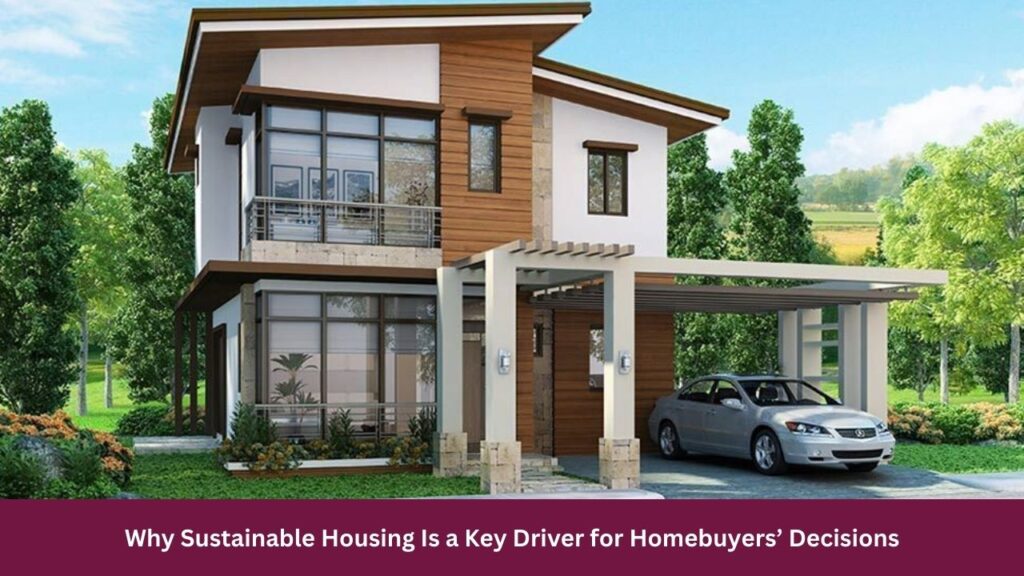
Sustainability is no longer a niche concern in the housing sector—it has become a major deciding factor for today’s homebuyers. Driven by rising energy costs, climate awareness, and government incentives, many buyers are prioritizing eco-friendly features, energy efficiency, and long-term environmental impact in their purchasing decisions. Builders, developers, and investors are responding accordingly, making sustainable housing a central component of new real estate projects across Canada.
In cities like Toronto where urban density and innovation intersect, sustainable high-rise developments are gaining increased attention. For example, projects such as Q Tower Toronto reflect a growing demand for environmentally responsible construction and building performance. Buyers in these markets often evaluate factors such as building materials, energy efficiency ratings, green certifications, and carbon footprint before committing to a purchase, making sustainability a financial and ethical consideration.
Energy Efficiency and Cost Savings
One of the most compelling reasons for buyers to choose sustainable housing is the long-term cost benefit. High-efficiency windows, smart thermostats, solar panels, and advanced insulation systems reduce utility bills and stabilize energy usage over time. These features offer predictable monthly expenses and often qualify homeowners for rebates or tax credits at the provincial or federal level.
Buyers are also drawn to homes with energy-efficient lighting and appliances certified by Energy Star or equivalent standards. These systems do more than lower operational costs—they increase the overall value of the property and make it more appealing at resale. In many cases, sustainable homes sell faster and at a premium compared to traditional properties without green features.
Green Certifications and Resale Advantage
Certifications such as LEED (Leadership in Energy and Environmental Design), ENERGY STAR, and BOMA BEST are becoming increasingly influential in buyer decision-making. These certifications signal a developer’s commitment to sustainability and provide assurance regarding energy performance and environmental impact.
Homebuyers view certified buildings as lower risk, particularly in urban areas where environmental regulations are evolving. Certified homes tend to retain value better in volatile markets and are often favored by investors and institutional buyers seeking long-term portfolio resilience. In this way, sustainability contributes not only to daily living quality but also to a property’s financial durability.
Health, Wellness, and Environmental Awareness
Sustainable housing is also strongly linked to occupant health and wellness. Features like improved indoor air quality, low-VOC materials, and natural lighting contribute to a healthier living environment. These elements are especially important for families, seniors, and individuals with health sensitivities.
Today’s buyers are also more environmentally conscious and prefer homes that reflect their values. Sustainable buildings that use responsibly sourced materials, promote water conservation, and reduce carbon emissions align with the lifestyle choices of a growing segment of the market. This alignment often translates into stronger emotional investment and long-term satisfaction with the purchase.
Developer Innovation and Market Trends
Developers who embrace sustainability are gaining a competitive edge in increasingly regulated and environmentally conscious markets. In Toronto, building code updates and climate targets are encouraging the construction of energy-efficient structures that meet or exceed minimum green standards.
Features like green roofs, electric vehicle charging stations, rainwater harvesting, and energy management systems are no longer fringe innovations—they’re becoming standard in forward-thinking developments. Buyers actively seek out these features, and developers that fail to meet these expectations risk falling behind.
Conclusion
Sustainable housing is more than a trend—it’s a decisive factor shaping buyer behavior and property values. With increasing demand for eco-friendly living, energy-efficient features, and health-conscious design, real estate markets are evolving to reflect long-term environmental priorities. For buyers, developers, and investors alike, sustainability is now a core element of real estate decision-making.