Setting Teens Up for Braces with Family Dentistry
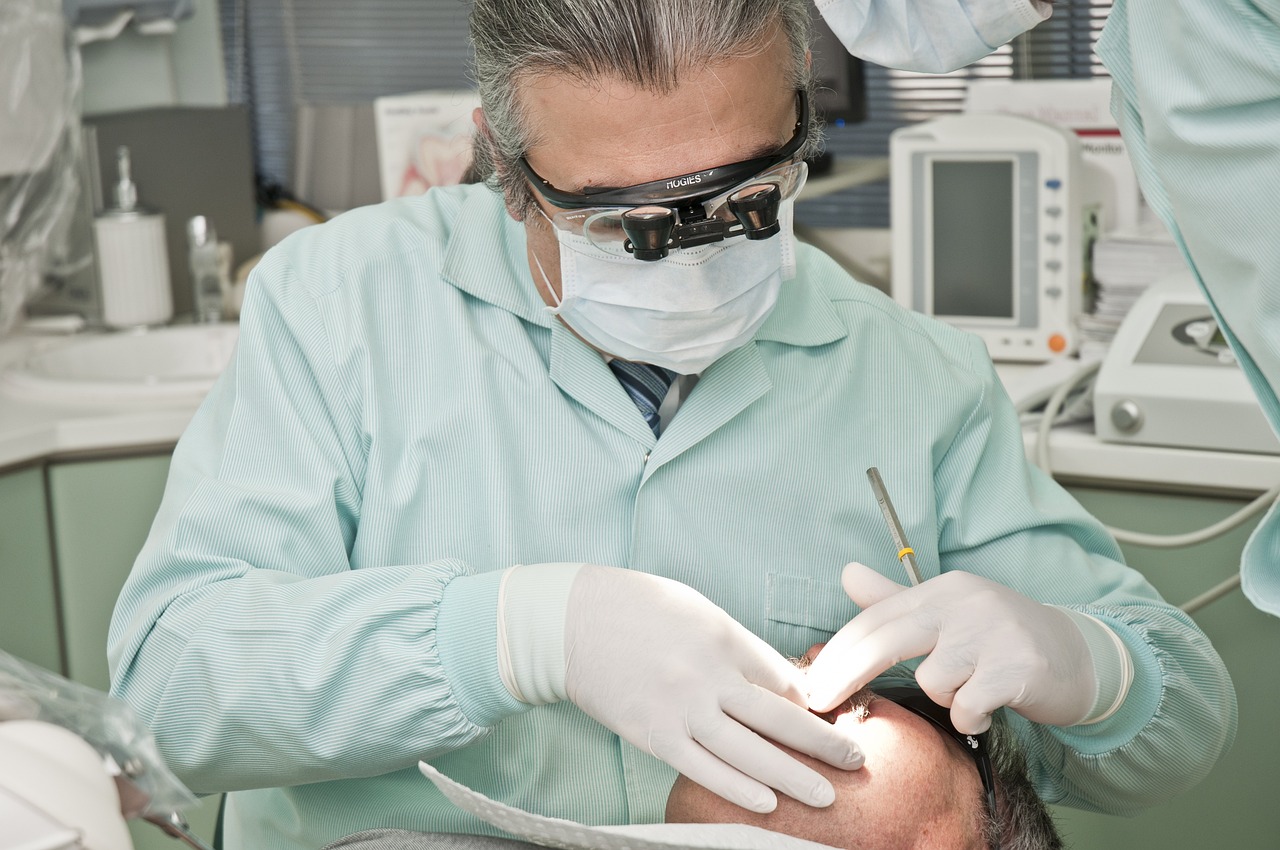
Braces work best when your teen’s mouth is healthy before orthodontic treatment begins. That’s why regular visits to a Barrie family dental practice are more than “just cleanings.” Family dentistry builds the foundation orthodontists rely on: healthy gums, low cavity risk, and habits your teen can actually stick to once brackets (or aligners) arrive.
Family dentists also spot problems early—crowding, bite issues, uneven jaw growth, or enamel wear—so your teen can start orthodontic care at the right time, not in a rush later.
Why family dental visits matter before braces
Orthodontics puts extra demands on teeth and gums. If a teen already has plaque buildup, early gum inflammation, or untreated cavities, braces can make those problems worse and harder to treat.
A strong family dentistry routine helps your teen:
- Lower cavity risk before brackets trap food and plaque
- Keep gums firm and non-inflamed (a must for safe tooth movement)
- Build daily habits that prevent stains and white spots after braces
- Catch issues early so treatment is simpler and often shorter
The American Association of Orthodontists commonly recommends an initial orthodontic evaluation around age 7 to identify developing issues early, even if braces are years away.
What family dentists do to “prep” a teen for orthodontics
1) Screen bite and growth early
A family dentist tracks how your teen’s teeth and jaw are developing. They can flag early signs of:
- Crowding or spacing problems
- Overbite/underbite
- Crossbite
- Grinding (bruxism) and enamel wear
- Mouth breathing habits that can affect jaw shape
If needed, they’ll refer you to an orthodontist at the right time—with useful notes and records that speed up next steps.
2) Strengthen hygiene habits that braces require
Teens don’t need perfect routines—they need consistent ones. Family dentists coach brushing and flossing in a way that’s realistic for school, sports, and busy schedules.
Even before braces, the goal is to lock in:
- Brushing twice daily with fluoride toothpaste
- Daily flossing (or alternatives like floss picks/interdental cleaners)
- Smart snack habits that don’t “feed” cavity-causing bacteria
MouthHealthy (American Dental Association) emphasizes that teens should brush twice a day and floss daily, while limiting sugary snacks and drinks.
3) Preventive care that protects enamel
Family practices often recommend preventive tools based on risk level, including:
- Fluoride applications (especially for teens prone to cavities)
- Sealants on molars if grooves are deep and decay-prone
- Professional cleanings that remove tartar teens can’t brush off
These steps matter because braces don’t cause cavities—but they can make plaque and food retention easier if habits are weak.
4) Nutrition guidance that actually fits teen life
Orthodontic success isn’t only about wires and brackets. It’s also about what goes into the mouth every day.
Family dentists commonly guide teens to:
- Cut back on frequent soda/energy drinks (acid + sugar = enamel trouble)
- Swap sticky snacks for tooth-friendlier options
- Choose calcium- and protein-rich foods that support oral health
Braces or clear aligners in 2026: how family dentistry supports both
Orthodontic options keep evolving—clear aligners are more common, digital scanning is widely used, and many practices offer more comfort-focused care. But the “prep” remains the same:
- Healthy gums
- Low cavity risk
- Strong daily routines
- Early planning instead of late fixes
Whether your teen ends up with braces or aligners, family dentistry helps prevent the two biggest obstacles to a smooth orthodontic journey: avoidable decay and avoidable inflammation.
Quick comparison: habits before vs. during orthodontic treatment
| Habit | Before orthodontics | During braces/aligners |
|---|---|---|
| Brushing | 2× daily | More detailed + consistent, especially after snacks |
| Flossing | 1× daily | Daily is non-negotiable (tools may change) |
| Cleanings | Regular schedule | Often more important to stay on schedule |
| Snacking | Flexible | Avoid sticky/hard foods (braces) + limit frequent sugar (both) |
What parents can do right now
- Book a checkup before the orthodontic consult (or soon after)
- Ask your dentist about cavity risk and preventive options
- Make hygiene tools easy: fluoride toothpaste, floss aids, travel brush
- Encourage consistency, not perfection—routine beats motivation
Final thought
A confident orthodontic start is rarely about braces alone—it’s about the months (and years) of steady family dental care that come first. When your teen learns habits early, stays ahead of cavities, and gets growth monitored over time, orthodontic treatment becomes simpler, safer, and far less stressful.