The Role of Texture in Modern Wall Painting
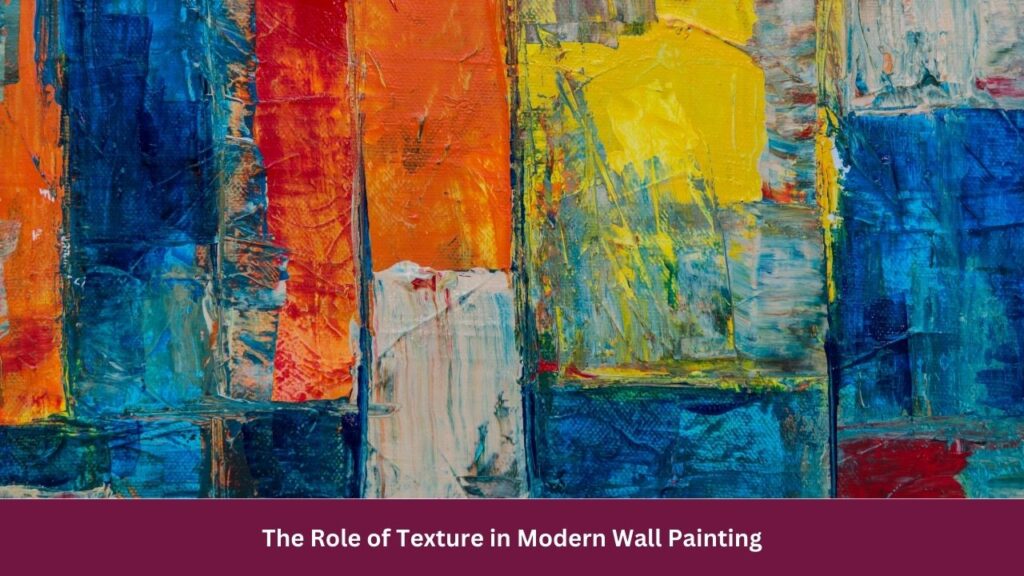
Wall painting has evolved from being purely functional to becoming a critical element of modern interior design. It’s no longer just about color; textures are increasingly taking center stage, adding depth, dimension, and personality to walls. Brisbane, with its dynamic architectural trends and artistic community, has embraced this transformation wholeheartedly. Whether you’re seeking to add complexity to a small room or highlight a specific area in a larger space, textured wall painting opens up endless design possibilities.
This post explores the importance of texture in wall painting, detailing its basics, evolution, modern applications, and expert techniques. Perfect for interior design enthusiasts, professional painters, and art connoisseurs—let’s uncover how texture is shaping the future of walls in Brisbane.
The Basics of Texture in Wall Painting
At its core, texture in wall painting refers to the physical or visual feel of a wall’s surface. Unlike flat, smooth coatings, textured walls create interest through patterns, layers, or tactile finishes. But why is this significant?
- Adds Depth and Dimension: A textured wall can enhance a room’s visual complexity, making it feel more immersive.
- Covers Imperfections: Textures can mask irregularities or flaws on wall surfaces, eliminating the need for extensive prep work.
- Enhances Aesthetics: From rustic finishes to contemporary raised textures, the possibilities are endless for personalizing a space.
For many Brisbane homeowners, textured wall painting is a way to merge art with practicality. This approach allows painters in Brisbane to craft unique designs tailored to local trends and individual spaces.
The Evolution of Texture in Brisbane Wall Painting
Brisbane has always had a vibrant artistic history. Over the decades, wall painting trends in the city evolved significantly, with texture playing a pivotal role in shaping its unique identity.
- Early Influences: Brisbane’s early decorative trends included stucco and lime wash finishes popular in colonial and post-war homes. These textures often reflected a desire to create durable, aesthetic walls in a subtropical climate.
- Modern Advances: As design materials and techniques advanced, textured wall painting became more experimental. Brisbane saw a rise in brushed finishes, Venetian plasters, and contemporary geometric patterns.
Today’s texture trends, seen in projects by signature painters across Brisbane, meld traditional artistry with modern innovation. From eco-friendly materials to customized textures, homeowners and designers alike are pushing the boundaries of creativity.
The Role of Texture in Modern Interior Design
Texture is a game-changer in interior design. It has the power to transform a room while complementing other design elements like furniture, lighting, and décor. Here’s how texture has found its place in modern Brisbane interiors:
- Creating Focal Points: A textured feature wall can draw attention to a particular area of the room, adding character and breaking monotony.
- Matching Styles: Whether you prefer Bohemian, industrial, or minimalist aesthetics, textured wall painting integrates seamlessly into various design styles.
- Enhancing Natural Light: The play of light and shadow on textured surfaces makes spaces feel dynamic and alive.
Brisbane-specific trends often favor earthy, textured finishes inspired by the natural surroundings, connecting the indoors with the vibrant landscapes outside.
Techniques for Achieving Texture in Wall Painting
Achieving the right texture requires both skill and creativity. Here are some popular techniques used by painters in Brisbane:
- Sponging: Applying paint with a sponge creates subtle, layered effects ideal for rustic or coastal designs.
- Plaster Finishes: Venetian plaster provides a smooth, marbled texture while maintaining a sense of luxury.
- Stippling: This technique involves dabbing a stippling brush onto wet paint for a granular or sandy texture.
- Rolling: Patterned rollers can quickly add intricate designs to large walls without the need for extensive effort.
- Troweling: By using a trowel, you can create raised patterns or smooth, wave-like textures.
These methods, combined with high-quality products and tools, enable Brisbane’s signature painters to deliver wall designs that captivate homeowners and designers alike.
Practical Tips for Incorporating Texture in Your Home or Project
Dreaming of adding texture to your living space? Here are some tips for interior design enthusiasts and DIYers:
- Start Small: If you’re new to texture, begin with a single accent wall to see how it complements your space.
- Experiment with Color: Pair textured walls with bold or neutral tones to achieve the desired mood.
- Hire Experts: Working with experienced painters in Brisbane ensures professional results and access to high-quality materials.
- Consider Your Space: Textures might overwhelm small rooms or amplify them based on the design, so choose wisely.
- Maintain Balance: Complement textured walls with simple furniture and décor to avoid excessive visual clutter.
Whether you’re planning a DIY project or sticking to professionals, textures can elevate your space when executed thoughtfully.
Conclusion
Texture in wall painting is more than a fad—it’s a movement redefining how we view and design interiors. From rich, bold finishes to understated elegance, textured walls offer unmatched versatility and aesthetic appeal. Brisbane, with its unique blend of heritage and modernity, is at the forefront of this design trend, led by skilled professionals and trendsetting homeowners.