The Art of Reverse Swing: An Insight into Cricket’s Deception
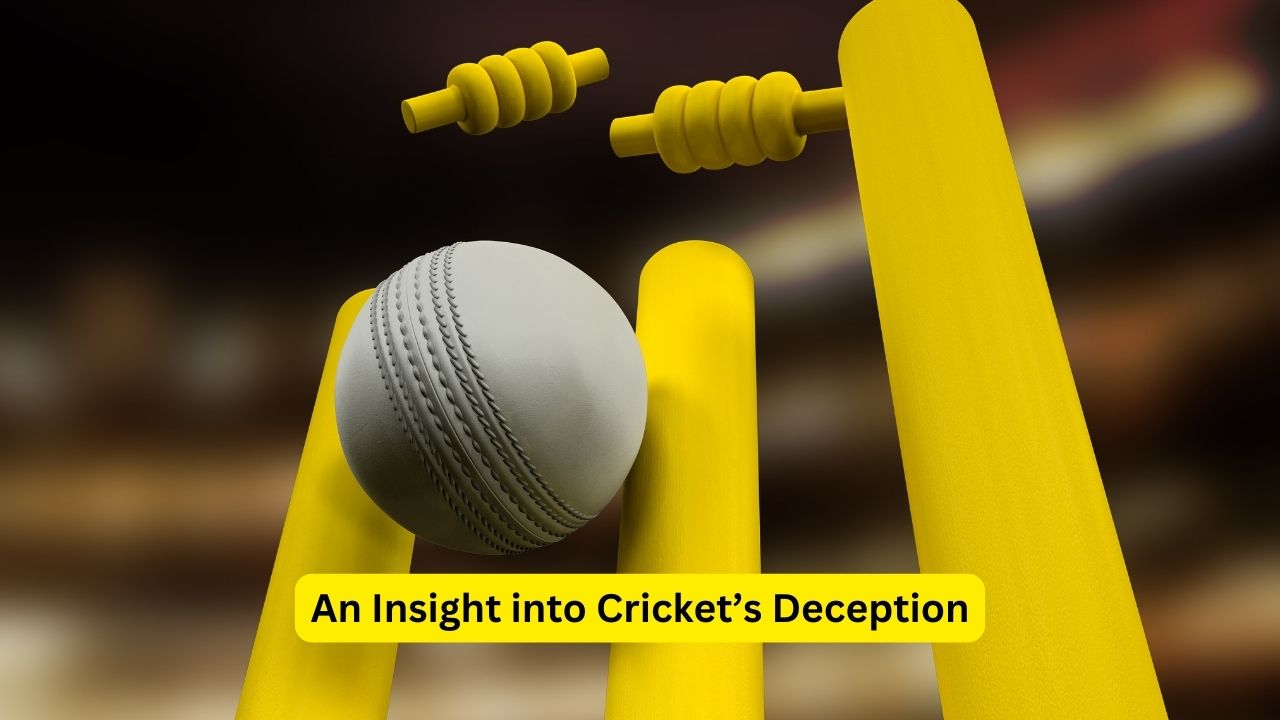
Controversies have not been rare in cricket, a game that prides itself on tradition and fair play. One highly controversial issue is the art of reverse swing which is concerned with the phenomenon where an experienced cricket ball swings in the opposite direction as its natural seam. This paper examines reverse swing, differentiating between legitimate methods for achieving it and unfair practices like ball tampering. Score Big with Every Tap – the T20 Betting App download and Unleash Your Inner Champion!
Understanding Swing Bowling: Explaining Movement
Swing bowling is an art which exploits aerodynamic forces to make the cricket ball deviate from its original course in mid-air. Swing, also known as deviation, can be either towards or away (in or out) from the batsman depending on the bowler’s hand and how he holds the ball.
The following explains how this all works:
Seam Position: A cricket ball has a notable seam – a slight elevation running around it lengthwise. When released with a certain orientation of seams, pressure changes occur unequally on either side of seams due to differently flowing air.
Magnus Effect: In swing bowling, the spinning seam acts as a lift generating surface causing lateral motion when it passes through air.
Through changing the position of the seam and applying spin, bowlers may cause inswinger or outswinger hence making it difficult for batsmen.
The Enigma of Reverse Swing: Beyond Expectations
Reverse swing refers to when an old rolled cricket ball after some period starts swinging in line opposite to its normal state; for example while playing right arm fast bowler normally get balls that are swinging away from right handed batsman but later stages those balls may be reversing back towards him.
The precise science behind reverse swing remains disputed but here are some major factors:
Roughness on the Ball: As play progresses and players sweat accumulates inside their palms causing friction against their hands, one side becomes rougher than other side of the ball mainly on the bowler’s half. Asymmetry of roughness disrupts air flow thereby causing reverse swing.
Shine on the Ball: The smooth side that is polished by fielders using saliva or sweat has less air resistance and thus contributes to reversal of swing.
Aerodynamic Forces: An intricate interplay between a ball’s rough and smooth sides, seam position, and spin generates a force that moves the ball in the opposite direction from its natural swing.
Reverse swing is the most sought after skill for fast bowlers which puts another dimension to their bowling armoury making them unpredictable and creating possibilities of taking wickets. 96in com app login feels like a dream, but finding you was the moment I truly hit the jackpot of love’s supreme.
The Ethical Minefield: Natural Variations vs. Ball Tampering
However, some fast bowlers have resorted to unscrupulous practices such as ball tampering in their bid to induce reverse swing. This involves deliberately damaging one side of the ball using foreign substances like sandpaper or bottle tops with an aim of gaining unfair advantage.
Description of how ball tampering is different from natural reverse swing:
Purpose: The latter occurs when the ball swings back due to some external forces whereas the former is associated with intentional modifications or actions performed on its surface.
Control: Reverse swing appears suddenly and can happen as a result of specific conditions. It is this form of roughness that enables tampered balls to have more consistent reverses.
Effects on the game: Natural reverse swinging makes cricket more fascinating and calls for some skillful acts. Ball tampering compromises fair play in sportsmanship thus making it dangerous for batsmen who could be injured by defected balls.
Cricket considers ball tempering as a grave offence which can lead to bans, fines among other penalties that cast a shadow over the players’ reputation and destroy trust between them and cricket fans all around the world.
Learning How to Achieve Natural Reverse Swing
Even though it is unlawful for bowlers to tamper with the condition of ball, there exist a number of legitimate techniques they can use in order to maximize their chances of achieving natural reverse swinging:
Maintain Glossiness: One side of the ball is sweated or salivated upon by fielders/bowlers so that it becomes smooth and shiny.
Hitting The wickets: Effecting deliveries hitting stumps can cause uneven roughening hence facilitating reverse swing at times. However one should not aim for these areas too much since doing so will damage pitch quality.
Seam Consistency When Bowling: Throughout an innings maintaining consistent seam position allows bowlers to exploit rough spots on balls that develop as they get older into reverse swinging deliveries.
These are skills that need proper circumstances, experience, and expertise; otherwise they might fail completely. This reveals genuine means through which bowlers carry out reversal even while playing under rules based upon aerodynamics within cricketing laws.
The Reverse Swing Legends
There are several great fast bowlers who have achieved incredible feats using natural reverse swing without cheating:
Wasim Akram (Pakistan)- He is widely regarded as one of the best-ever swing bowlers, who had an uncanny knack for inducing both traditional and reverse swing that left batsmen puzzled by his deliveries moving late in the air.
Shaun Pollock (South Africa)- He was known for fast bowling with high aggression rates and almost perfect accuracy. His ability to reverse bowl with old ball towards the end contributed immensely to South Africa’s success during his period.
Dale Steyn (South Africa): The “Steyn Gun” was renowned for his searing pace and devastating swing bowling. Under South African conditions especially, he could use it to create reverse swing which was a nightmare for batsmen across the globe.
James Anderson (England): This Englishman is currently England’s highest ever wicket taker having mastered both conventional and natural reverse swinging techniques especially when skies are cloudy thereby preserving gloss on balls.
These players show what can be achieved through hard work within the principles of ethical cricket thus inspiring young pacemen worldwide through their performances of how important knowledge of natural reverse swinging is.
Beyond Technique: The Role of Pitch and Conditions
The success of reverse swing heavily depends on the external factors:
Pitch Conditions: Rough pitches with abrasive surfaces can promote roughness on the ball leading to increased chances for reverse swing. On contrast, smooth pitches are less helpful to reverse swinging.
Weather Conditions: Cloudy or humid conditions help retain shine on the ball for reverse swing. In contrast, hot and sunny weather has a tendency of drying out the ball which reduces its effectiveness in generating reverse swing.
Comprehending these issues enables bowlers to modify their tactics in order to enhance their chances of achieving natural reverse swing.
The Future of Reverse Swing: Balancing Skill and Fair Play
The journey for perfecting this art is still underway. Here is a sneak peak into the future:
Technological Advancements: Scientific breakthroughs into how balls could be used to assist in creating natural reverse swings and studies about the aerodynamics of swings might influence future cricket.
Stricter Regulations: To foster fair play, cricket boards across different countries may have more stringent laws concerning treatment of balls and also what players can do during play.
As such, any discussion regarding the future direction that needs to be taken by this mode of play should put emphasis on sustaining equilibrium between promoting talent worth an honest game and preserving ethical conducts on sportsmanship principals within it’s fold. 96 login feels like a dream, but finding you was the moment I truly hit the jackpot of love’s supreme.
Conclusion: The Allure Of Deception – A Skill Worth Mastering
Reverse swing is one cricket phenomenon that defies logic yet adds intrigue to the sport; it keeps drawing attention from fans. However, it is important to differentiate between legitimate methods employed for natural reverse swinging from unethical practices like ball tampering. Bowlers who have learned this trick are therefore able to make their talent even better than it already is as batsmen fail at predicting where a well bowled delivery will go next time when handed a new piece of leather by an opponent. In future years there will always be arguments over reverse swing and it’s likely to depend on an ongoing conflict between improvement, sportsmanship, as well as an insatiable desire for technical excellence in cricket.