The Psychology of Gift Personalisation
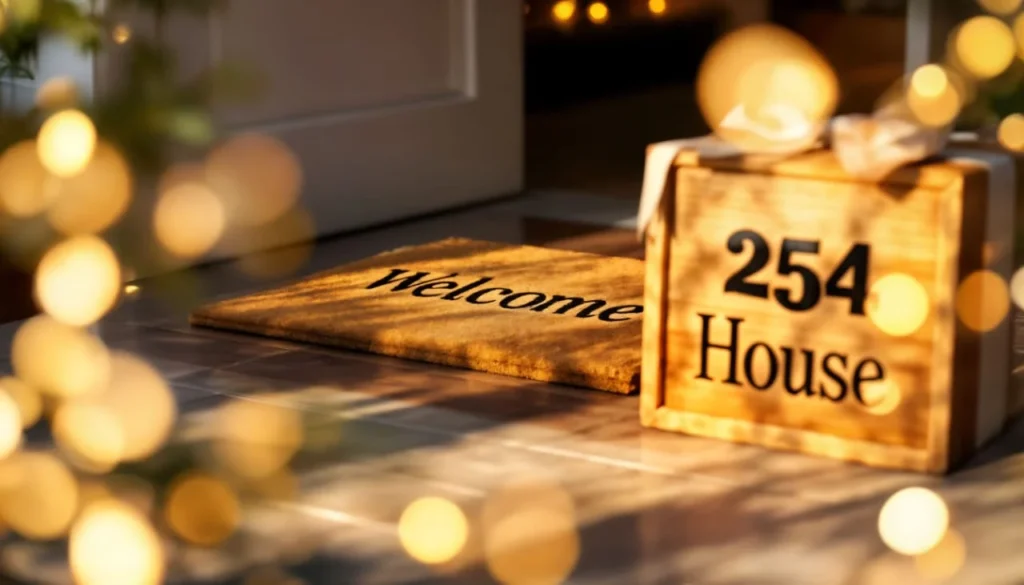
The Psychology of Gift Personalisation: The Power of Custom Products in Building Emotional Connections
In today’s world of mass production and one-click shopping, nothing can beat the feeling of receiving a gift that is exclusively created for us. But why do Personalised Gifts resonate so deeply with our emotions? Is there neuroscience connected to the warm, fuzzy feeling we experience when we receive items with our names on them?
Custom items might just be the best presents you can give.
The Personalised “Cocktail Party Effect”
Have you ever heard of the “cocktail party effect”? Psychologists use this term to describe how someone can hear their name mentioned elsewhere in a crowded, noisy room. The same principle applies to personalised gifts.
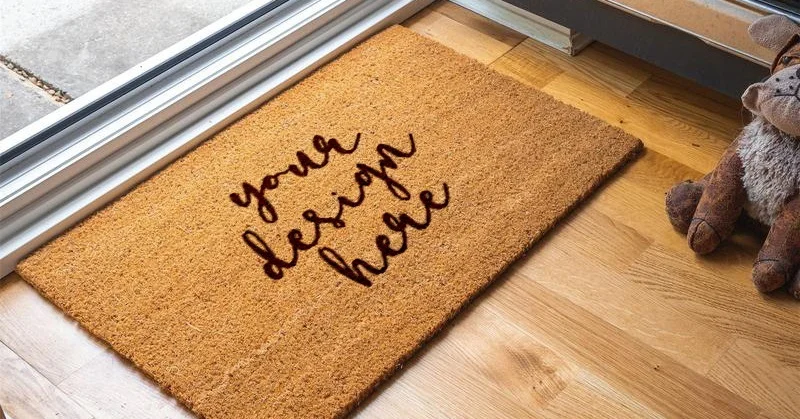
When someone receives a custom item, such as Personalised Door Mats or an engraved piece of jewellery, their brain takes a moment to register the specific personal connection. Studies show that seeing our name or other personal identifiers triggers particular areas in our brain linked with self-identity and autobiographical memory.
This transition from the general to the specific captures the impressive process in which the brain processes information to construct our sense of self.
Emotional Branding: What You See is What You Feel
One of the greatest aspects of personalised gifts is what psychologists term “perceived effort”. When someone receives a custom-made gift, they instinctively recognise that the giver has invested extra thought, time and care.
Research by Dr Marissa Sharif from the Wharton School of Business indicates that the effort associated with gifts is one of the significant factors influencing the recipient’s appreciation. Surprisingly, a cheaper gift with a personal touch can sometimes leave a deeper impression than an expensive off-the-shelf item. I’ve seen this myself! Take House Number Signs, for example – not terribly costly, but when you make one specially for a mate who’s just moved house, you’re giving them more than just a practical thing to hang by their door. It shows you’ve actually thought about them, what they like, who they are… and people really do notice that sort of thing.
The Endowment Effect and Personal Connection
Economists and psychologists have long been interested in what is known as the endowment effect—our tendency to value things more highly simply because we own them. Personalisation acts as a catalyst for this phenomenon.
When our name is printed on an item or it contains certain personal references, we immediately ascribe it a higher value than identical items without such markings. Research conducted by the University of Minnesota showed that people were willing to pay, on average, 50% more for products that were engraved or otherwise personalised compared to standard versions.
This occurs because personalised gifts become part of our identity; they are not just objects we possess. For every visitor who sees that custom doormat, it communicates that it is “your doormat” and accompanies your family name and identity.
Memory: Creating Lasting Impressions
The giving of a personalised gift also helps because it is more likely to be encoded in memory. The distinctiveness of an event—the extent to which it is novel, surprising or exciting—affects how well information is remembered.
When we receive a personalised gift, we are more likely to:
- Remember who gave the gift
- Picture the occasion more clearly
- Build stronger emotional connections with the item
This is why personalised gifts often become cherished keepsakes symbolising significant moments even many years later. They function as emotional anchors, reminding us of special people in our lives.
The Social Signalling of Personalised Gifts
There is also an important social aspect to personalised gifts. When we give a personalised present, we convey clear messages about the relationship:
- Recognition – “I perceive you as a unique individual with your own tastes and preferences”
- Investment – “You’re worth the extra attention”
- Understanding – “I know you well enough to personalise this appropriately”
This social signalling is reciprocal. The recipient feels appreciated, whilst the giver demonstrates their dedication to the relationship. Together, they strengthen bonds that are valued by both parties.
The Surprise Element: Unexpected Personalisation
Adding a personal touch to a gift item creates emotional impact, but research indicates that unexpected personalisation produces the strongest reactions. A study published in the Journal of Consumer Psychology revealed that personalised surprises—where recipients do not expect a custom element—create even stronger feelings of ownership and gift enjoyment.
This element of “good surprise” causes dopamine to be released in the brain—a small burst of happiness chemicals which become associated with both the gift and the gift-giver.
Practical Applications: Making Personalisation Meaningful
It is worth noting that not all personalisation has the same power. Studies have shown that the most emotionally resonant personalised gifts share these characteristics:
- Relevance – They connect meaningfully to the recipient’s identity or interests
- Thoughtfulness – They solve a problem or fulfil a need the recipient actually has
- Quality – The personalisation enhances, rather than detracts from, the item’s function
- Appropriateness – The customisation matches the recipient’s personality and the nature of your relationship
For this reason, items like personalised door mats, engraved house number signs, or monogrammed accessories work exceptionally well due to their combination of functionality and personalised value.
Beyond Names: The Deeper Levels of Personalisation
While adding a name brings personal connection immediately to the fore, the true power of personalisation often extends further. The custom gifts that evoke the most emotion are those that:
- Reference shared experiences or inside jokes
- Highlight personal achievements and milestones
- Acknowledge values or beliefs important to the recipient
- Reflect hopes or aspirations for the future
Through these deeper layers of personalisation, the giver demonstrates a closeness with the recipient, creates an even stronger emotional bond, and makes the recipient feel genuinely “seen”.
Conclusion: The Lasting Impact of Personal Touch
In this increasingly digital age of life, the gift of individualized items is a tangible demonstration of care and thoughtfulness rather than just a marker of the times. They do not merely signify events but they also build and strengthen the ties that give life its special quality.
So, when you inquire about a present, remind yourself that personalisation is not merely a decorative “extra,” but it is a solid instrument for generating sincerer emotional connections and unforgettable experiences. After all, is not gifting all about this?