Top Signs Your Home Needs House Leveling and How to Address Them
A stable foundation is the backbone of your home, ensuring safety, durability, and structural integrity. However, over time, homes may experience foundation settling or shifting due to soil movement, moisture changes, or natural wear and tear. If left unaddressed, foundation issues can lead to costly repairs and safety hazards. Recognizing the signs your house needs leveling early can help you take proactive measures to prevent further damage. In this guide, we will discuss the top indicators that your home may require house leveling and explore the best solutions to address these issues.
What Is House Leveling?
House leveling is the process of restoring a home’s foundation to its original or near-original position. This involves lifting and stabilizing the foundation to correct uneven settling. Depending on the type of foundation—whether it’s a slab, pier and beam, or crawl space—various leveling methods are used to correct structural imbalances.
Top Signs Your House Needs Leveling
1. Uneven or Sloping Floors
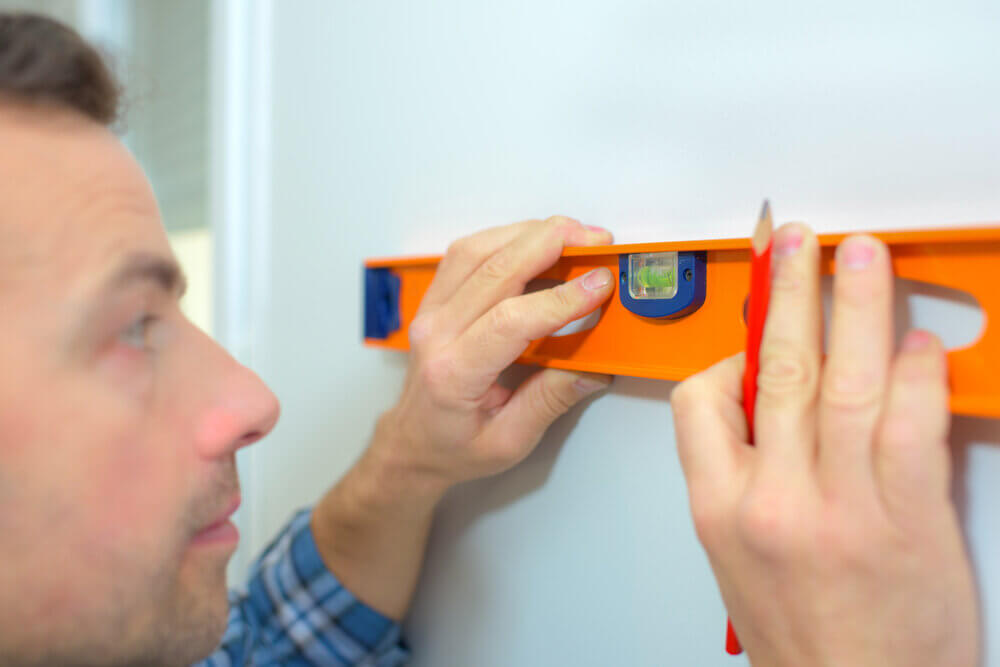
One of the most noticeable indicators of foundation problems is uneven or sloping floors. If you feel like you are walking downhill or uphill inside your home, it’s a strong indication of foundation settlement. Using a level tool to check the slope can confirm if your floors are tilting.
2. Cracks in Walls and Ceilings
Cracks in drywall, ceilings, or exterior brickwork are a common sign of foundation movement. While small hairline cracks are normal due to minor settling, large or widening cracks, especially around door frames or windows, should not be ignored.
3. Doors and Windows That Stick or Won’t Close Properly
If doors and windows suddenly become difficult to open or close, it could be due to shifts in your home’s foundation. Uneven settling can cause misalignment in frames, leading to noticeable operational issues.
4. Gaps Between Walls and Ceiling or Floor
Have you noticed spaces forming between your walls and ceiling or between the floor and baseboards? These gaps indicate foundation shifts and should be inspected by a professional before the damage worsens.
5. Visible Cracks in the Foundation
Inspecting the exterior of your home for cracks in the foundation is crucial. Horizontal cracks, large vertical cracks, or stair-step cracks in brick walls are red flags indicating movement in the foundation.
6. Water Damage and Pooling Water Around the Foundation
Excess moisture around your foundation can erode the soil, leading to instability. Poor drainage, leaking pipes, or heavy rain can contribute to soil displacement, causing foundation shifting.
7. Bouncy or Sagging Floors
For homes with pier and beam foundations, weak or damaged support beams can lead to bouncy or sagging floors. This is often due to moisture damage, wood rot, or termite infestations.
8. Leaning or Bowing Walls
If your walls appear to be leaning or bowing inward, it could indicate severe foundation movement. This often results from hydrostatic pressure caused by excessive moisture buildup in the soil surrounding your home.
9. Chimney Separating from the House
A tilting or separating chimney is a strong sign of foundation settlement. Since chimneys are heavy structures, any movement in the foundation can cause them to detach from the home, creating a serious hazard.
10. Nails Popping Out of Drywall
If you notice nails or screws popping out of your walls or ceilings, it could be due to shifting in the foundation. This minor issue can escalate over time if left unchecked.
How to Address House Leveling Issues
If you observe any of the signs above, it’s crucial to take immediate action. Here are steps you can take to address house leveling issues effectively:
1. Get a Professional Inspection
Hiring a foundation specialist or structural engineer to assess the severity of the issue is the first step. They can provide a detailed report on the condition of your foundation and recommend the best solutions.
2. Repair Drainage Issues
Poor drainage can lead to soil erosion and foundation instability. Ensure proper water runoff by installing gutters, downspouts, and French drains to divert water away from the foundation.
3. Reinforce the Foundation with Piers or Pilings
House leveling often involves using piers or pilings to lift and stabilize the foundation. Common methods include:
- Steel Piers: Long-lasting and driven deep into the ground for maximum support.
- Concrete Piers: Cost-effective but may require more extensive excavation.
- Helical Piers: Ideal for lighter structures and areas with poor soil conditions.
4. Slab Jacking (Mudjacking or Foam Jacking)
For homes with concrete slab foundations, slab jacking can be an effective way to restore leveling. This process involves injecting a grout or polyurethane foam mixture beneath the slab to lift it back into position.
5. Strengthen Pier and Beam Foundations
If you have a pier and beam foundation, adding extra support beams, replacing rotted wood, or installing concrete footing can help stabilize the structure.
6. Regularly Maintain Your Foundation
Preventative maintenance can help reduce the likelihood of foundation problems in the future. Keep your foundation in good condition by:
- Monitoring moisture levels around your home.
- Addressing plumbing leaks promptly.
- Ensuring proper ventilation in crawl spaces.
- Scheduling annual foundation inspections.
Final Thoughts
Identifying the signs your house needs leveling early can save you thousands of dollars in repairs and protect its structural integrity. Whether you notice sloping floors, wall cracks, or stuck doors, taking immediate action is key. Contact a foundation repair expert to evaluate the situation and implement the necessary solutions to keep your home safe and stable for years to come.