Top Trends in Gen Z Buying Behavior for 2025
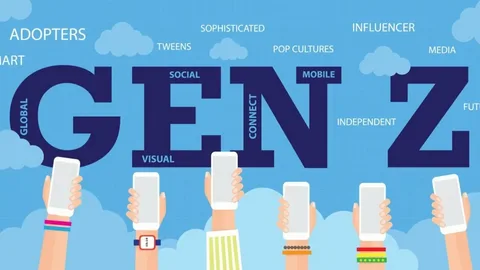
In 2025, Generation Z, those born between 1997 and 2012, is emerging as a formidable force in the global consumer market.
With an estimated spending power approaching $12.6 trillion by 2030, understanding Gen Z buying behavior trends is crucial for brands aiming to connect with this demographic.
This article delves into the key purchasing behaviors of Gen Z, providing insights into their values, preferences, and expectations.
1. Purpose-Driven Purchasing
Gen Z places a high premium on authenticity and social responsibility. They are more likely to support brands that align with their values, particularly those that demonstrate a commitment to sustainability, diversity, and ethical practices. A 2024 McKinsey report indicates that over 70% of Gen Z consumers actively research a brand’s ethics before making a purchase .
To appeal to Gen Z, brands should:
- Communicate Transparency: Clearly articulate your brand’s values, sourcing practices, and social impact initiatives.
- Engage in Social Causes: Actively participate in or support movements that resonate with Gen Z’s concerns, such as climate action or social justice.
- Showcase Authenticity: Avoid performative actions; ensure that your brand’s commitments are genuine and backed by tangible results.
2. Digital-First Shopping Experience
Having grown up in a digital world, Gen Z expects seamless online shopping experiences. They are adept at navigating e-commerce platforms and value convenience, speed, and personalization.
According to Shopify, Gen Z uses social media as a primary tool for product research, with platforms like TikTok and Instagram serving as search engines for product discovery.
To cater to this digital-savvy generation, brands should:
- Optimize Mobile Platforms: Ensure that your website and shopping experience are mobile-friendly, as Gen Z predominantly shops via smartphones.
- Leverage Social Commerce: Utilize social media platforms to showcase products, engage with customers, and facilitate direct purchases.
- Personalize Recommendations: Use data analytics to offer tailored product suggestions based on browsing and purchasing history.
3. Influencer and Peer Recommendations
Gen Z trusts peer reviews and influencer recommendations more than traditional advertising. They value relatability and authenticity over celebrity endorsements.
A report by Plot highlights that Gen Z views affordable alternatives to luxury items, such as “dupes,” more positively, associating them with fashion savvy and financial prudence.
To leverage this trend, brands should:
- Collaborate with Micro-Influencers: Partner with influencers who have a strong, engaged following and whose values align with your brand.
- Encourage User-Generated Content: Motivate customers to share their experiences and reviews on social media platforms.
- Highlight Peer Testimonials: Showcase customer reviews and testimonials prominently on product pages and marketing materials.
4. Financial Savviness and Value-Consciousness
Despite their growing spending power, Gen Z remains financially cautious. Economic uncertainty and student debt have made them more budget-conscious.
They are inclined towards value-driven purchases, seeking quality products at affordable prices. The rise of second-hand shopping and the popularity of “No-Buy” movements underscore their desire to make intentional purchasing decisions .
To appeal to Gen Z’s financial sensibilities, brands should:
- Offer Flexible Payment Options: Provide Buy Now, Pay Later (BNPL) services to accommodate Gen Z’s preference for deferred payments .
- Promote Value and Quality: Emphasize the durability and quality of your products to justify their price points.
- Support Second-Hand Markets: Engage in or support resale platforms to cater to Gen Z’s interest in sustainable and budget-friendly options.
5. Sustainability and Ethical Consumption
Sustainability is a significant concern for Gen Z. They are more likely to choose products with eco-friendly packaging, support brands that use renewable materials, and favor companies that demonstrate a commitment to reducing their carbon footprint.
A study by Trivium Packaging found that 90% of Gen Z consumers are willing to pay more for products in sustainable packaging.
To align with Gen Z’s sustainability values, brands should:
- Implement Eco-Friendly Practices: Use recyclable or biodegradable materials in product packaging and manufacturing processes.
- Offset Carbon Emissions: Invest in initiatives that reduce or offset your brand’s carbon footprint.
- Educate Consumers: Provide information about your sustainability efforts and the environmental impact of your products.
6. Experiential and Immersive Shopping
Gen Z values experiences over material possessions. They are drawn to brands that offer immersive and interactive shopping experiences, both online and in physical stores. The integration of augmented reality (AR) and virtual reality (VR) technologies is becoming increasingly popular in retail.
To create engaging experiences for Gen Z, brands should:
- Incorporate AR/VR Technologies: Allow customers to virtually try products or experience services through immersive technologies.
- Host Interactive Events: Organize pop-up shops, virtual events, or live-streamed product launches to engage with Gen Z consumers.
- Create Shareable Moments: Design experiences that encourage customers to share their interactions on social media platforms.
7. Health and Wellness Priorities
Gen Z places a high value on health and wellness. They are more likely to invest in products that promote physical and mental well-being. This includes organic food, fitness equipment, mental health apps, and wellness retreats.
To cater to Gen Z’s health-conscious mindset, brands should:
- Offer Health-Focused Products: Provide products that support physical and mental health, such as fitness trackers or mindfulness apps.
- Promote Healthy Lifestyles: Encourage and support healthy living through your brand’s messaging and initiatives.
- Collaborate with Wellness Influencers: Partner with influencers who advocate for health and wellness to reach Gen Z audiences.
8. Customization and Personalization
Gen Z desires products and services that reflect their individual identities. They appreciate brands that offer customization options, allowing them to personalize products to suit their preferences.
To meet Gen Z’s demand for personalization, brands should:
- Offer Customizable Products: Provide options for customers to personalize products, such as choosing colors, designs, or adding monograms.
- Use Data to Personalize Experiences: Leverage customer data to offer tailored recommendations and personalized marketing messages.
- Encourage Self-Expression: Allow customers to share their personalized creations on social media platforms to build community and brand loyalty.
Conclusion
Understanding Gen Z buying behavior trends is essential for brands aiming to connect with this influential demographic. By aligning your products, services, and marketing strategies with those of Gen Z, you can build lasting relationships and drive business success.
Embrace transparency, sustainability, and personalization to resonate with Gen Z consumers and position your brand for future growth.
If you’re interested in exploring how to effectively engage with Gen Z consumers, consider leveraging Nudge’s AI-powered platform.
Nudge offers tools to analyze consumer behavior, personalize marketing strategies, and enhance customer engagement. Book a Demo Now to discover how Nudge can help you connect with Gen Z and drive your business forward.