The Ultimate Guide to Tree Health and Removal Decisions

Trees are more than just beautiful additions to our properties—they provide shade, improve air quality, enhance property value, and contribute to biodiversity. However, while healthy trees are invaluable, failing to address unhealthy trees can lead to costly damages, safety risks, and legal complications. Whether you’re a homeowner, a garden enthusiast, or a property manager, understanding tree health and making the right decisions about tree removal is essential for maintaining a safe and aesthetically pleasing environment.
Why Tree Health Matters
The health of your trees is directly tied to the health of your property. A thriving tree adds curb appeal, lends shade during hot days, reduces cooling costs, and creates a serene atmosphere. On the other hand, an unhealthy or dying tree can pose significant risks, such as falling branches or total collapse. Learning to assess tree health not only helps preserve its benefits but also ensures the safety of your home and loved ones.
If you live in areas like North Sydney, where trees are an integral part of local landscapes, this knowledge becomes even more relevant. Here, services like Branch Out Tree Specialist offer support in maintaining tree health and managing risks effectively.
Recognizing the Signs of an Unhealthy Tree
Keeping trees in good condition starts with spotting the early signs of trouble. The following symptoms indicate a tree that may need immediate attention:
- Wilting Leaves: A common sign of dehydration, root-related issues, or disease.
- Discolored or Spotted Leaves: Unusual leaf colors—such as yellowing or browning—can often signal nutrient deficiencies or pest infestations.
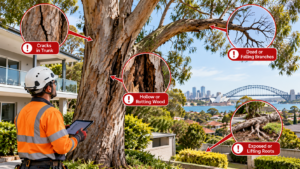
- Visible Decay: Mushrooms growing near the tree’s base or hollow sections in the trunk indicate internal decay or rot.
- Damaged or Dead Branches: Branches that snap easily or lack leaves may indicate the tree is struggling to transport nutrients effectively.
- Root Issues: Exposed, severed, or damaged roots can destabilize a tree, making it prone to falling.
Steps for Assessing Tree Health
Assessing the condition of your tree takes a keen eye and some basic evaluation techniques. Here’s how to get started:
- Inspect the Trunk
Look for deadwood (dry, brittle wood sections), large cracks, or holes. These may indicate structural weaknesses or invasion by pests.
- Examine the Branches
Are the branches dense and lively or thinning and brittle? Pay extra attention to branches overhanging your home—these are potential hazards during storms.
- Check the Root System
Roots are the foundation of a tree. Look for signs of fungal growth or areas where the roots appear damaged, loose, or overly exposed.
- Look at the Leaves
Leaves are excellent indicators of general health. Uniform color, size, and lack of unusual spots are all signs of a healthy tree.
When in doubt, consulting a professional, like a tree removal in North Sydney, ensures you receive an accurate evaluation from experts.
Making Smart Tree Removal Decisions
Tree removal is not always an easy decision, but it may be necessary in certain scenarios. Factors to consider include safety, legalities, and best practices.
- When is Removal Necessary?
Removal is often unavoidable when trees are severely diseased, dead, or pose a significant risk to the surrounding structures and landscape.
- Know Your Local Regulations
Many areas, including North Sydney, have strict guidelines regarding tree removal. Before proceeding, check local council regulations and permits to stay compliant with the law.
- Hire Specialists for Safe Removal
Felling a tree is not a DIY project. Doing so improperly can lead to property damage or injury. Engaging professionals like Branch Out Tree Specialist ensures the tree is removed safely and efficiently.
Tips to Keep Your Trees Healthy
Prevention is better than cure! Keeping your trees healthy through proactive care can avoid costly problems down the line. Here are some tips:
- Watering and Mulching
Ensure your trees get enough water, especially during dry spells. Regular mulching helps retain moisture and improve soil quality.
- Pruning Regularly
Pruning keeps branches healthy and prevents overgrowth. Removing diseased or dead branches also minimizes the risk of spreading infections.
- Protecting Roots
Avoid building or digging too close to the tree’s roots, as this can damage their structure and affect the tree’s stability.
- Pests and Disease Management
Keep an eye out for pests like beetles and borers, and treat infections promptly. Expert advice can make all the difference.
If unsure about any aspect of tree maintenance, turn to professionals for guidance. Many homeowners in North Sydney rely on Branch Out Tree Specialist for tailored advice and dedicated care services.
Conclusion
Maintaining tree health is a responsibility that rewards you with a thriving, safe, and beautiful property. By learning to spot signs of trouble, taking proactive care measures, and seeking expert advice when needed, you can ensure your trees remain an asset rather than a liability.