How Understanding Tree Growth Shapes Tree Removal Decisions
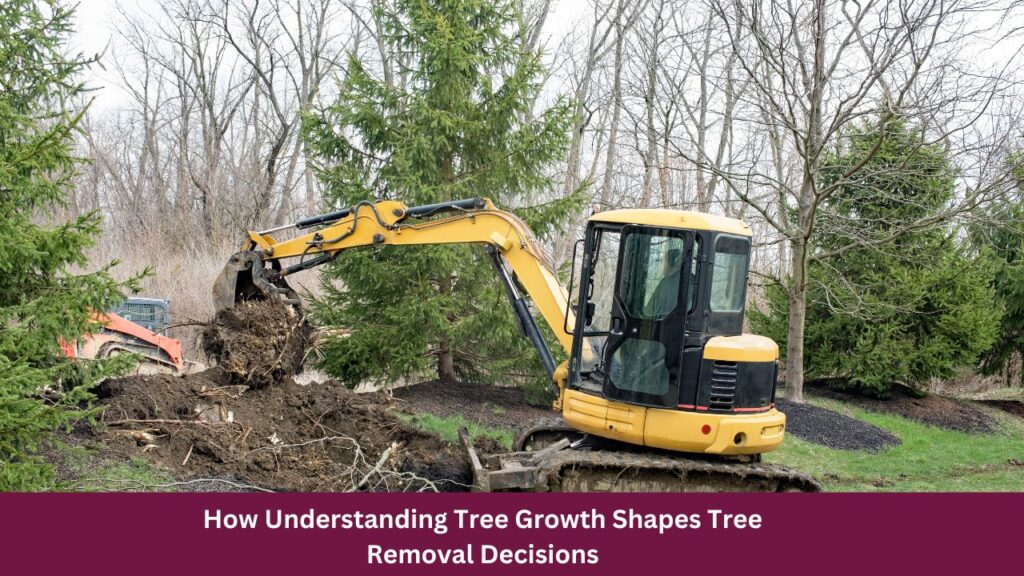
Trees are a vital part of the environment and add aesthetic appeal and value to any property. But as much as trees can be a boon, they can also become a hazard when their growth is unchecked or they show signs of poor health. For homeowners, gardeners, and environmentalists alike, understanding tree growth is a critical step in making informed decisions about pruning, maintenance, and sometimes, tree removal.
This blog explores how knowledge of tree growth patterns and health indicators can help you determine if and when tree removal is necessary. Whether you’re managing an overgrown backyard or concerned about safety issues, understanding tree growth will provide the foundation for better tree management. Additionally, we’ll also share why services like Branch Out Tree Specialist for tree removal in North Sydney are essential to strike a balance between preserving nature and maintaining a safe environment.
Understanding Tree Growth
Stages of Tree Growth
Every tree goes through clear growth stages, from seedling to sapling, maturity, and eventually, decline. Each stage demands different care:
- Seedling and sapling stages: Require nurturing and protection from weather conditions, pests, or competition from weeds for space or nutrients.
- Mature trees: During maturity, trees focus on strengthening their trunks, expanding branches, and bearing seeds.
- Declining stage: Aging trees may lose structural integrity, which can create safety risks.
By recognizing a tree’s growth stage, you can prioritize its maintenance and assess whether intervention is necessary.
Factors Influencing Tree Growth
Tree growth is heavily influenced by various factors:
- Climate: Seasonal changes, droughts, and temperature fluctuations all impact the rate of growth. Trees in North Sydney, for instance, thrive in specific weather conditions but may struggle during droughts or storms.
- Soil Quality: Nutrient-rich, well-drained soil supports healthy tree growth, whereas poor soil can lead to stunted development.
- Species: Certain species are fast-growing with shallow roots, while others grow more slowly but with deeper, more stable roots.
The Role of Pruning and Maintenance
A regular pruning schedule isn’t just about aesthetics. It improves a tree’s structure, reduces disease spread, and keeps it safe from overhanging or hazardous branches. Pruning helps ensure the long-term health of the tree, but when ineffective or avoided, trees may require eventual removal by specialists like Branch Out Tree Specialist.
Signs of Unhealthy Tree Growth
Trees can experience growth issues that could pose a safety concern or impact your environment negatively:
- Dead or decaying branches: These can break and fall, increasing the risk of property damage or injury.
- Leaning trunk: A tilted trunk could signify weakened roots or soil erosion. Immediate action might be required to prevent its collapse.
- Cracks and splits in the bark: Often signs of disease or structural weakness.
- Sparse or uneven foliage: Reduced leaf growth can indicate pest-infestation, nutrient deficiencies, or root damage.
- Mushroom growth at the base: This suggests internal decay or rot.
If you notice any of these warning signs, it might be time to consult professionals for tree removal in North Sydney to assess the tree’s condition and determine the best course of action.
Tree Removal Decisions Based on Growth Knowledge
Key Factors Influencing Tree Removal
Several factors come into play when deciding whether to remove a tree:
- Health: A dying or diseased tree may not respond well to treatments and could become hazardous.
- Location: If a tree is too close to your home, power lines, or other structures, it could cause future issues or risks during storms.
- Size: Overgrown trees may threaten foundations, neighboring plants, or disrupt landscaping plans.
Understanding how the tree’s growth has progressed gives you an edge in deciding whether to keep it with intervention, or remove it for safety reasons.
Sustainable Alternatives to Tree Removal
Whenever possible, explore alternatives like:
- Pruning heavy branches to reduce risk without cutting down the entire tree.
- Treatment plans: If the tree is unhealthy, use eco-friendly pest control or fertilization to nurse it back to health.
However, when removal is unavoidable, partnering with experts like Branch Out Tree Specialist ensures you’re working with professionals who prioritize sustainable practices and safety.
Conclusion
Properly understanding tree growth empowers homeowners, gardeners, and environmentalists to make informed decisions about the trees on their property. From nurturing young trees to managing mature growth, and deciding when removal is necessary, the implications of tree growth extend beyond aesthetics to the realms of safety and environmental health.