Understanding Pickleball: How It’s Played
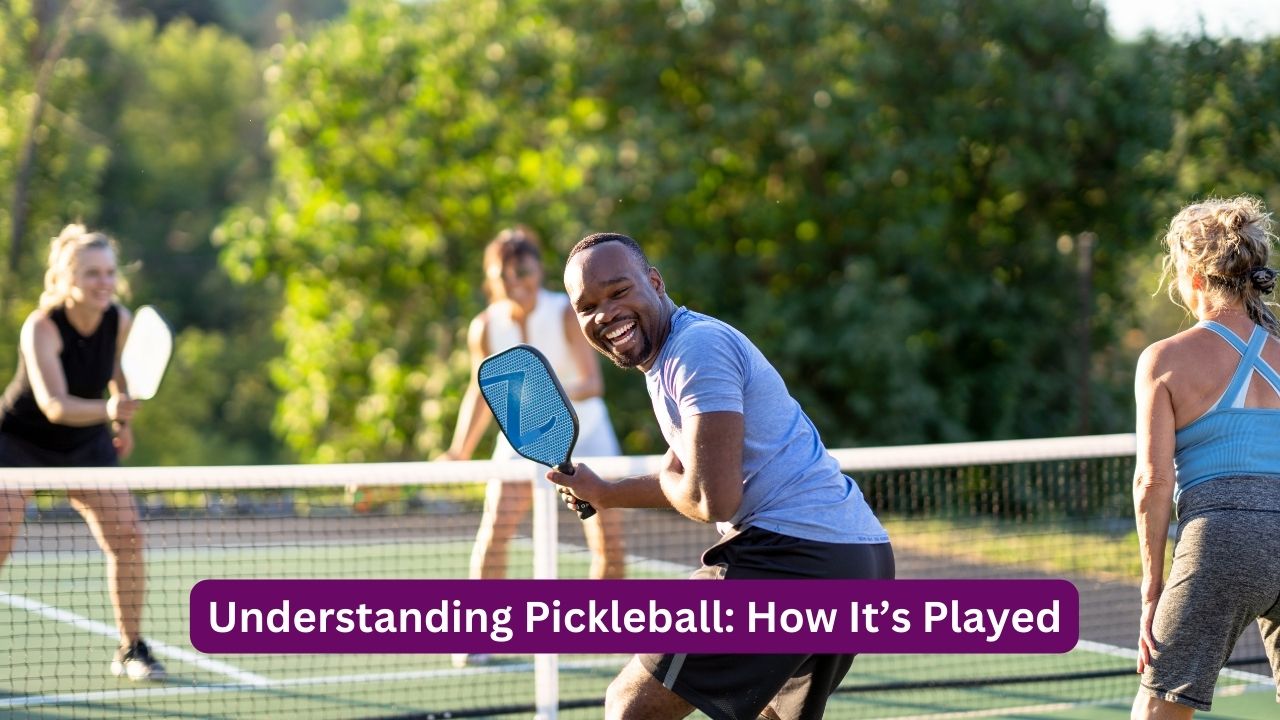
Pickleball, a rapidly growing sport, blends elements from tennis, badminton, and table tennis, offering an engaging game suitable for all ages and skill levels. Played both recreationally and competitively, pickleball has captured the interest of many because of its simple rules, quick learning curve, and versatility. Whether played in community centers, schools, or professional leagues, pickleball provides a fun and dynamic experience.
In this article, we’ll delve into the basics of how pickleball is played, covering rules, scoring, and equipment, with a section dedicated to understanding pickleball paddles and their role in the game.
The Basics of Pickleball
Pickleball is played on a court similar in size to a badminton court, measuring 20 feet by 44 feet. The court is divided by a 34-inch-high net, with the game played either as singles (one player per side) or doubles (two players per side). The game combines elements of tennis and ping-pong, making it easy to pick up for beginners while still offering strategic depth for more experienced players.
Court Layout and Setup
The pickleball court is smaller than a traditional tennis court, allowing for more action in a compact space. The court features a non-volley zone, commonly referred to as “the kitchen,” which extends 7 feet from the net on both sides. Players are not allowed to volley (hit the ball in the air) while standing in this zone, adding an element of strategy to the game.
The game starts with one team serving from the baseline, and the serve must be underhand. The serve must clear the net and land in the diagonal service box on the opponent’s side. If the ball lands in the kitchen or outside the court lines, it’s considered a fault, and the opposing team earns a point or gets to serve.
Scoring System
Pickleball uses a rally-scoring system, meaning only the serving team can earn points. Games are typically played to 11 points, but teams must win by a margin of at least 2 points. In some competitive matches, games can be extended to 15 or 21 points, depending on tournament rules.
Each game starts with one player serving, alternating serves between teammates during doubles play. When a team loses a rally, the opposing team gains the right to serve. In doubles, both players on a team get a chance to serve before it’s the opposing team’s turn. This system keeps the game dynamic, encouraging fast-paced play and quick exchanges.
The Serve and Return
The serve is a critical component of pickleball. It must be made underhand and must bounce once on the opposing side before it can be returned. This rule ensures that the serve is not overly aggressive and allows for more controlled, strategic gameplay.
The returning team must also let the serve bounce once before returning it, a rule known as the “double-bounce rule.” This rule prevents players from dominating the game with quick volleys right after the serve, leveling the playing field for both teams.
Strategies and Techniques in Pickleball
While pickleball is easy to learn, it involves a variety of strategies and techniques to master, making it appealing to seasoned players.
Dinking and Volleying
Dinking is a soft, controlled shot that lands in the opponent’s kitchen area. It’s a critical strategy in pickleball, allowing players to maintain control of the game while setting up for more aggressive shots. Dinking can be used to force opponents to make errors, as it requires precision and patience.
Volleys, on the other hand, are fast-paced shots that don’t bounce before they are hit. Players often use volleys to increase the speed of the game, catching opponents off guard. However, volleying is restricted within the kitchen zone, adding a layer of strategy to court positioning.
Lobs and Overheads
Lobs are high shots designed to go over an opponent’s head, pushing them to the back of the court. Lobbing can be an effective strategy to disrupt the opponent’s rhythm or to reset the pace of the game. When executed well, a lob can create opportunities for offensive plays.
Overhead shots, or smashes, are powerful shots that come in response to lobs. Players often move quickly toward the net to execute overheads, making them a thrilling part of the game.
Court Positioning
Effective court positioning is crucial in pickleball. Players often move in tandem with their partners, especially in doubles, to maintain control of the net and minimize open spaces on their side of the court. Staying close to the kitchen line is often recommended, as it allows players to control dinks, volleys, and drop shots more effectively.
Equipment Essentials: Pickleball Paddles
Pickleball paddles are one of the most important pieces of equipment in the game. Unlike traditional tennis rackets, pickleball paddles are solid and made of materials like wood, composite, or graphite. The paddle design allows for a combination of power, control, and precision, making it versatile for different play styles.
Types of Pickleball Paddles
- Wood Paddles: These are the most affordable and durable option, ideal for beginners. However, they are heavier than other types, which may limit control for more advanced players.
- Composite Paddles: Made from a combination of materials, composite paddles offer a balance of power and control. They often have a textured surface, enhancing spin capabilities.
- Graphite Paddles: Lightweight and highly responsive, graphite paddles are favored by competitive players. They provide greater control, allowing for more precise shots and quick reflexes.
When choosing a pickleball paddle, players should consider factors like weight, grip size, and surface texture, as these elements impact playing style and comfort.
Paddle Maintenance
Maintaining pickleball paddles is relatively simple. Players should regularly check the paddle surface for wear and tear, clean it with mild soap and water, and store it in a protective cover to prevent damage.
Benefits of Playing Pickleball
Pickleball is not only fun but also offers several physical and social benefits:
Physical Fitness
Pickleball provides a full-body workout, improving cardiovascular endurance, agility, and hand-eye coordination. It’s a low-impact sport, making it accessible to people of all ages and fitness levels. Whether played casually or competitively, pickleball promotes better balance, strength, and flexibility.
Social Interaction
One of the appealing aspects of pickleball is its social nature. Players often form lasting friendships on the court, making it a popular choice for community centers, clubs, and recreational leagues. The sport’s mixed-doubles format allows for diverse participation, encouraging teamwork and camaraderie.
Mental Agility
Pickleball requires strategic thinking and quick decision-making, keeping the mind sharp. Players need to anticipate opponents’ shots, plan their next move, and adapt to fast-changing situations on the court, making it a mentally stimulating game.
Conclusion: A Sport for Everyone
Pickleball offers a perfect blend of competition, exercise, and social interaction, making it one of the fastest-growing sports today. Its simple rules and adaptable gameplay make it accessible to beginners, while its strategic depth keeps experienced players engaged. Understanding the game’s fundamentals, mastering techniques, and selecting the right equipment—such as pickleball paddles—are key to enjoying and excelling in this sport.
Whether you’re looking for a recreational activity or seeking a competitive sport, pickleball provides an exciting and rewarding experience for all who pick up a paddle.