Vinyl Gloves vs. Latex and Nitrile: Choosing the Right Protective Gear
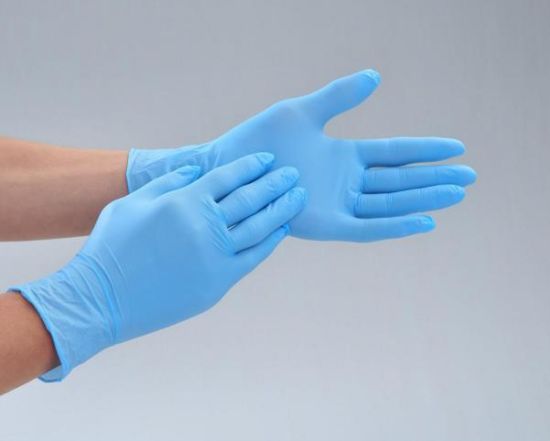
In recent years, there has been a significant increase in the demand for personal protective equipment (PPE) due to various factors such as public health crises, increased awareness of workplace safety regulations, and a general focus on hygiene. Among these PPEs, vinyl glove have witnessed a resurgence in popularity. These gloves are known for their affordability, versatility, and ability to provide adequate protection against various contaminants.
With so many options available on the market today, it can be challenging to know which type of glove is best suited for your needs. This comprehensive guide will help you understand when vinyl gloves are an appropriate choice and how to select the right one for your specific requirements.
Table of Contents:
Understanding Vinyl Gloves: Material and Manufacturing Process
Advantages and Disadvantages of Vinyl Gloves
Different Types of Vinyl Gloves
Factors to Consider When Choosing Vinyl Gloves
Proper Use and Care Guidelines
Alternatives to Vinyl Gloves
Section 1: Understanding Vinyl Gloves: Material and Manufacturing Process
Vinyl gloves are made from polyvinyl chloride (PVC), a synthetic material derived from petroleum byproducts. PVC is mixed with plasticizers, stabilizers, and other additives to create a flexible material that can be easily molded into different shapes. This process is known as plastisol dipping or slush molding.
Once the mixture is prepared, hand-shaped molds are dipped into it several times while being rotated at high speeds to ensure uniform thickness throughout each layer. After each dip, the molds are heated to solidify the PVC before being immersed again until they reach the desired thickness—usually between 2-4 mils (.002-.004 inches).
Finally, after reaching their final thickness level, these gloves undergo vulcanization—a chemical process that strengthens the material and makes it more elastic. They are then stripped from the molds, washed, and dried before being packaged for distribution.
Section 2: Advantages and Disadvantages of Vinyl Gloves
Advantages:
Cost-effective: Vinyl gloves are generally less expensive than their latex or nitrile counterparts, making them an attractive option for budget-conscious consumers.
Latex-free: For individuals with latex allergies, vinyl gloves offer a safe alternative without sacrificing protection.
Comfortable fit: Due to their soft and flexible nature, these gloves provide a comfortable fit for extended periods of wear.
Versatility: Vinyl gloves can be used in various industries such as food service, healthcare, cleaning, and automotive maintenance.
Disadvantages:
Limited chemical resistance: While they do provide adequate protection against many contaminants, vinyl gloves are not recommended for use with harsh chemicals or solvents.
Reduced puncture and tear resistance: Compared to nitrile or latex gloves, vinyl is less durable and more susceptible to punctures or tearing during use.
Section 3: Different Types of Vinyl Gloves
There are several types of vinyl gloves available on the market today:
Powdered vs. Powder-free – Traditionally, powdered gloves have been preferred due to their ease of donning; however, powder-free options have become increasingly popular as they reduce potential allergen exposure and minimize cross-contamination risk.
Industrial vs. Medical-grade – Industrial-grade vinyl gloves are designed for general-purpose tasks where minimal contamination risk exists. In contrast, medical-grade ones must meet more stringent FDA guidelines regarding puncture resistance, durability, and quality control.
Clear vs. Blue – While clear vinyl gloves are the most common type found in various industries due to their affordable price point, blue-colored varieties have gained popularity in settings like food service because they’re easier to spot if accidentally mixed with food items.
Section 4: Factors to Consider When Choosing Vinyl Gloves
Intended use: Consider the specific tasks you’ll be performing and the potential hazards associated with them. This will help determine if vinyl gloves are an appropriate choice or if another material, like latex or nitrile, would be more suitable.
Size and fit: Properly fitting gloves are essential to ensure maximum protection and dexterity while minimizing hand fatigue during extended periods of wear. Look for sizing charts provided by manufacturers to find the correct size.
Allergies: If you have a known allergy to latex, vinyl gloves offer a safe alternative.
Section 5: Proper Use and Care Guidelines
To get the most out of your vinyl gloves and ensure optimal protection, follow these guidelines:
Inspect each glove for visible defects before use.
Wash hands thoroughly before donning gloves to reduce contamination risk.
Change gloves frequently, especially when switching tasks or handling different materials.
Remove gloves properly by pulling from the cuff rather than fingertips to avoid contaminating hands.
Dispose of used gloves in designated containers promptly.
Section 6: Alternatives to Vinyl Gloves
If vinyl gloves do not meet your specific needs or if you require higher levels of protection against chemicals or punctures, consider these alternatives:
Latex Gloves – Made from natural rubber latex, they offer excellent puncture resistance, dexterity, and tactile sensitivity but may cause allergic reactions in some individuals.
Nitrile Gloves – Manufactured from synthetic rubber, nitrile gloves provide superior chemical resistance and durability compared to vinyl or latex options.
Conclusion: Making an Informed Decision on Vinyl Gloves
In summary, vinyl gloves offer a cost-effective and versatile solution for many industries requiring basic hand protection from various contaminants. By understanding their advantages and limitations as well as considering factors like intended use, size/fit, and allergies, you can make an informed decision on whether they’re the right choice for your needs. Don’t forget to follow proper use and care guidelines to ensure optimal performance and protection.
We encourage you to share your thoughts on vinyl gloves, your experiences with different types of gloves, or any questions you may have in the comments section below. Together, we can create a safer and more informed community when it comes to PPE selection.